

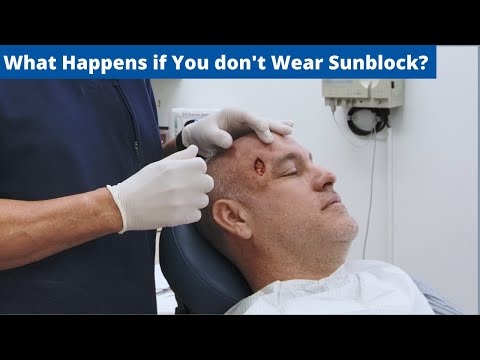
Hey there! So, have you ever thought about your skin? I mean, really thought about it? It’s like our body’s biggest canvas, right? But here’s the thing: some stuff can hide in plain sight. Skin melanoma is one of those sneaky issues that we need to keep an eye on.
Now, don’t freak out! It’s not all doom and gloom. Thanks to smart tech, there are now cool ways to help us stay aware and take care of our skin. From apps that remind you to check those moles to gadgets that can analyze your skin tone, technology has got your back.
Let’s chat about how these innovations work and why they matter. Because caring for our skin shouldn’t feel overwhelming—it should feel empowering! Ready? Let’s dive in!
Revolutionary Technologies for Detecting Skin Cancer: A Comprehensive Overview
Skin cancer is a pretty serious issue, and the good news is that technology is stepping up its game to help with detection. So, let’s talk about some of the cool tech out there that’s making waves in skin melanoma awareness and care.
First off, **AI-powered apps** are becoming super popular. These apps use algorithms to analyze photos of your skin. They can help identify suspicious moles or spots just from your phone! How wild is that? It’s like having a mini dermatologist in your pocket, though remember, it’s not a replacement for a doctor’s visit.
Then there’s **wearable tech**. You know those fancy smartwatches? Some of them now have features to monitor UV exposure. This lets you keep track of your sun time and helps you manage your risk. Always nice to know when it’s time to seek some shade or slap on more sunscreen!
Also, did you hear about **dermoscopes**? These devices, used by dermatologists, give a closer look at skin lesions without needing any invasive procedures. It even magnifies the skin surface for better analysis! Plus, it helps doctors document changes over time which can be super crucial.
Another cool advancement is **teledermatology**, where you can connect with a dermatologist online from the comfort of your home. No more long waits in waiting rooms! Instead, you send photos of your skin issues and get professional feedback more quickly.
And let’s not forget about **educational platforms** that provide info on how to check yourself for any changes in your skin. Knowing the ABCDEs of moles—Asymmetry, Border irregularity, Color variation, Diameter bigger than 6 mm, and Evolving—is an important part of awareness!
So in a nutshell:
- AI-powered apps help analyze photos of skin.
- Wearable tech monitors UV exposure.
- Dermoscopy provides detailed views without invasiveness.
- Teledermatology allows remote consultations.
- Educational resources teach self-check techniques.
Remember folks: while these technologies are nifty and can enhance awareness about skin cancer risks, they don’t replace professional healthcare advice or regular check-ups with your dermatologist. Stay sharp and take care out there!
Understanding the Causes: What Accounts for 90% of Melanoma Cancer Cases?
Melanoma is one of those words that can make you feel uneasy. It’s a type of skin cancer that, while serious, is largely preventable. So, what accounts for about 90% of melanoma cases? Well, it comes down to a few key culprits.
First off, let’s talk about the sun. Too much exposure to ultraviolet (UV) rays—you know, the kind that can turn you into a lobster on the beach—is a major factor. When skin gets too much sun without protection, it can lead to DNA damage in skin cells, which might start acting all wonky and turning into melanoma.
Then there are tanning beds. Seriously, they’re like little time bombs for your skin. Using them increases your risk significantly. I remember my friend in high school who thought she’d get a “head start” on her tan before summer. She ended up regretting it after learning about the risks.
Another factor is having many moles or unusual-looking ones on your skin. If you’ve got more than 50 moles or if they look odd—like not quite symmetrical or colorful—it’s worth keeping an eye on those bad boys.
And then there’s genetics. If someone in your family has had melanoma, you might have a slightly higher risk too. It’s kind of like inherited bad luck!
Lastly, let’s not forget about skin type! People with fair skin tend to burn more easily and are at greater risk for melanoma compared to those with darker complexions.
- Sun Exposure: Too much UV radiation damages DNA.
- Tanning Beds: They dramatically increase risk.
- Mole Count: Having many or abnormal moles matters.
- Genetics: Family history plays a role.
- Skin Type: Fair-skinned folks need to be cautious.
So anyway, keeping track of all this stuff is key! Smart tech solutions are even popping up these days—like apps that remind you to wear sunscreen or help monitor those pesky moles—making it easier to stay aware and informed. Of course, nothing beats checking in with a healthcare professional when it comes to your skin health!
Effective Strategies for Raising Awareness About Skin Cancer: Tips and Insights
So, skin cancer awareness is super important, right? I mean, just think about it: we slather on sunscreen when we hit the beach, but how often do we actually think about what we’re protecting ourselves from? Skin cancer can be sneaky, and that’s why raising awareness is crucial. Let’s talk about some effective strategies to spread the word and maybe even save a life or two.
First off, social media is your best friend. Platforms like Instagram and Facebook can reach tons of people. You can share stories, personal experiences, or even simple infographics that explain the risks and signs of skin cancer. Don’t forget to use those hashtags; they help more folks find your posts!
Another great idea is partnering with local organizations. Maybe there’s a hospital or a community health center nearby? Collaborating with them can amplify your reach. Organize events like free skin checks or educational workshops. When someone gets a free check-up just down the street, it’s easier for them to take part.
And guess what? Smart tech solutions have made it easier than ever to stay informed! There are apps out there that remind you when to apply sunscreen or alert you about UV levels in real-time. How cool is that? You could even encourage people to download these apps as part of your awareness campaign.
Don’t forget about testimonials! Sharing stories from real people adds a personal touch. If someone catches their melanoma early thanks to awareness efforts, that story can be powerful. It resonates with others and makes them think differently about their own skin.
You know that feeling when you see an amazing ad on TV that sticks in your mind? Well, creating eye-catching visuals for flyers or digital campaigns works the same way! Bright colors and big fonts grab attention and make people want to learn more.
Finally, let’s not overlook schools! Kids learn from an early age what’s important. Going into classrooms and talking about sun safety can make a difference for future generations. Plus, kids might even nag their parents into wearing more sunscreen—score!
So there ya go! Raising awareness about skin cancer doesn’t have to be boring or complicated. With some creativity and effort from all of us, we can spread knowledge far and wide without taking ourselves too seriously. Remember though: this info isn’t a substitute for professional healthcare—always reach out for expert advice if you need it!
Revolutionary Free AI Tool for Early Skin Cancer Detection
Have you heard the buzz about new tech for skin cancer detection? It’s pretty cool! There’s this free AI tool that’s making waves in the world of skincare. It’s designed to help spot early signs of skin cancer, specifically melanoma, which is one of the more serious types. So, let’s dive in!
First, you got to understand what melanoma is. Basically, it starts in the pigment-producing cells called melanocytes. If left unchecked, it can spread and become really serious. That’s why catching it early is super important!
This AI tool uses advanced algorithms to analyze images of your skin. You just take a photo of a mole or any suspicious spot and upload it to the app or website. The AI then compares your image to tons of other images (think like thousands!) from dermatology databases.
Now, here are some key points about how this tool works:
- User-friendly: It’s designed for everyone! You don’t need to be tech-savvy.
- Instant feedback: You’ll get results quickly, so you know if you should see a doctor.
- Awareness booster: It helps people be more aware of their skin health.
I remember my friend Jake had a mole he thought was sketchy. He took a picture and tried one of these AI tools. Turns out, it flagged his mole as something that needed a closer look! Long story short, he ended up visiting a dermatologist who confirmed that it was nothing serious—but getting that early alert gave him peace of mind.
But **here’s the kicker**: while this AI tool is awesome for preliminary checks, it definitely doesn’t replace seeing a professional! Seriously—if you’re concerned about anything on your skin, your best bet is still talking to a doctor.
So yeah, this technology is revolutionizing how we think about skin health! And if it’s making us more proactive and aware about potential problems? That’s just fantastic in my book. Just remember—stay savvy with your skin but always consult with healthcare professionals when things seem off!
Okay, so let’s talk about something super serious but also kinda cool—skin melanoma. You know, it’s one of those things that we don’t always think about until it hits home, right? I remember when my friend Clara found a strange mole on her arm. It was just one of those things you brush off at first. “Oh, it’s probably nothing,” she said. But then she did the smart thing and got it checked out, and thank goodness she did! Turns out, it was early-stage melanoma. Yikes!
Now, when we think about skin cancer—melanoma in particular—awareness is key. Seriously, catching it early can make a world of difference. And guess what? Technology is stepping up to the plate here in a big way! We’ve got smart tech solutions that help us keep an eye on our skin health.
Have you heard about those skin-scanning apps? They let you snap a pic of your moles and track changes over time. It’s like having your own little dermatologist on speed dial! You take a photo today, then check back in a couple of months to see if anything looks different. Makes sense, right? Noticing changes can help spot issues before they turn into something more serious.
And then there are wearables that can monitor UV exposure. Super nifty if you ask me! These little gadgets remind you when it’s time to reapply sunscreen or get out of the sun altogether. You know how easy it is to lose track of time while lounging at the beach or having a picnic? Who needs that guilt trip later when tech can remind you?
But here’s the thing: while all this tech is great and definitely helps raise awareness, it shouldn’t replace regular check-ups with your healthcare provider—that’s so important! Clara still had her dermatologist appointments every year even after downloading those apps.
Basically, embracing smart tech as part of your skin care routine can give you insights and keep you informed. Awareness is powerful; every bit counts when it comes to keeping our bodies healthy.
So next time you’re thinking about your skincare routine or enjoying some time in the sun, consider how tech could play a role in keeping you safe from melanoma. After all, knowing is half the battle—and with a little help from our smart friends out there in app land, we might just be able to catch problems before they start!
