

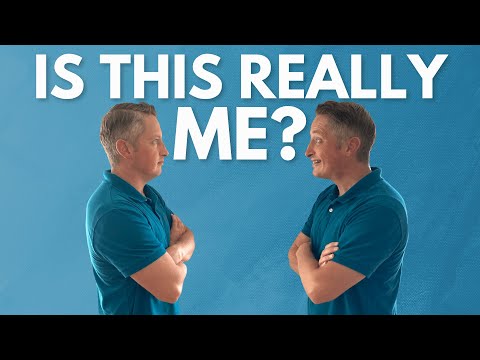
Hey there! You ever feel like you’re juggling two different lives? One minute you’re at work, all professional and serious, and the next you’re off playing video games till 3 AM? Sounds familiar, right?
Well, imagine that on a whole new level. Some folks experience what’s known as split personality, or dissociative identity disorder (DID). It’s not just something out of a movie; it can really shake things up in someone’s life.
So in the world of tech—where we’re glued to screens and connected 24/7—how does this duality show up? It’s a wild ride, for sure. You’ll meet people who wear masks online versus the “real” them. Curious about what those symptoms look like? Let’s dive in!
Understanding Awareness in Individuals with Multiple Personality Disorder: Do They Recognize Their Condition?
Hey there! So, let’s chat about something that might sound a bit complex but is actually really fascinating: awareness in individuals with Multiple Personality Disorder (now often called Dissociative Identity Disorder). You might be wondering if people with this condition actually recognize their situation. Great question!
First off, DID is like having different personalities or identities within one person. These personalities can range from a childlike spirit to an adult who’s super serious. Each identity might have its own name, age, history, and even mannerisms. It’s kind of like living in a movie with multiple characters, all sharing the same body.
Now, awareness varies quite a bit among those who have DID. Some individuals might be fully aware of their different selves and can even switch between them pretty seamlessly. Others? Not so much. They may feel confused or not realize that those other parts exist at all!
- Full Awareness: Some folks know they have different parts and can interact with them.
- Partial Awareness: Others may feel gaps in their memory or act out without realizing it’s another personality taking the reins.
- Lack of Awareness: And then there are people who don’t even know they have DID; they just live with these strange feelings and experiences.
A little story for you: I once read about a woman named Sara who had DID. Some days she felt like “Sara,” but on others, she’d wake up feeling completely different—like her identity had hit the snooze button! It took her years to understand what was happening in her mind and why she sometimes didn’t remember important things. Can you imagine living like that?
The thing is, for many individuals with this condition, figuring out what’s going on is part of their journey. Therapy often plays a big role in helping them gain insight into their identities and experiences. Remember though, this doesn’t replace professional healthcare; it’s just one way to deepen understanding.
So there you have it! Understanding awareness in dissociative identity disorder isn’t straightforward—it really depends on the individual experience. But isn’t it amazing how our minds work? Just goes to show how complex we humans are!
Identifying the Signs of Switching in Dissociative Identity Disorder
So, let’s chat about something that’s pretty important but often misunderstood: dissociative identity disorder (DID). You might have heard it referred to as split personality, which sounds super intense, right? Well, the thing is, DID can involve something called “switching,” and that’s a key part of how it works.
Switching is when a person with DID transitions from one identity—sometimes called an “alter”—to another. This can happen suddenly and for various reasons. Picture this: you’re at a party and just before you get up to give a speech, you suddenly feel different, like someone else has stepped in. That can be switching in action!
Now, let’s dig into some signs that might indicate switching:
- Changes in Behavior: You might notice shifts in how someone speaks or acts. Maybe they go from being shy to incredibly outgoing.
- Differences in Memory: A person may not remember what happened during certain times. Like, they could blank out on an entire evening.
- Emotional Shifts: Mood swings can feel more pronounced; one moment they’re happy, and the next they’re upset without clear reason.
- Physical Manifestations: Some individuals experience changes in posture or facial expressions too; think about going from relaxed to tense really quickly.
You know what’s wild? Sometimes these switches can be triggered by stress or specific situations—like encountering someone from the past or even just feeling overwhelmed. It’s almost like their brain is trying to protect them by pulling back into another identity.
If you ever experience anything similar or see it happening with someone else, keep in mind this stuff isn’t cut and dry. It’s complicated! Always approach these situations with care and compassion because understanding DID takes time and patience.
The point here is that recognizing these signs is a first step towards understanding the complexities of dissociative identity disorder—but reaching out for professional help is super important too!
Exploring Dual Personality: Notable Examples and Insights
So, have you ever heard about dual personality? It’s a pretty fascinating concept. Basically, it’s when someone exhibits two distinct identities or personalities. This can lead to some pretty interesting insights, especially in our tech-savvy world.
The term split personality often pops up in movies and novels. But in the real world, it’s more commonly associated with conditions like Dissociative Identity Disorder (DID). People with this condition may have different ways of thinking and behaving that can seem like entirely separate people. Imagine bumping into your friend and realizing there’s a whole other side to them—you know?
Now, you might be wondering how this ties into tech. The truth is, technology can sometimes amplify these behaviors. For example:
- Online personas: Social media lets people create totally different versions of themselves online. You could be the party animal on Instagram but a quiet bookworm on Reddit!
- Anxiety and triggers: Tech can lead to anxiety or stress, causing some individuals to retreat into their alternate selves as a coping mechanism.
- The gaming world: Many gamers adopt alternative personalities through their avatars or characters—it’s like stepping into another life for a while!
A while back, I met someone who was super active on social media but completely different face-to-face. It was like meeting two entirely different people! They told me that online, they felt more confident and free to express themselves without fear of judgment. This got me thinking about how common this might actually be.
The thing is, exploring these dual aspects of our identities can bring both insight and confusion. While it’s totally normal to show different sides of ourselves depending on the situation—it’s part of being human—it’s important not to confuse this with serious mental health issues.
If you or someone you know feels overwhelmed by these feelings—especially if they interfere with daily life—talking to a professional could help get some clarity. Remember, self-exploration is great but always take care of your mental health too!
Comprehensive Split Personality Disorder Test: Assess Your Mental Health Today
So, let’s chat a bit about something you might have heard of called Split Personality Disorder, or more formally, Dissociative Identity Disorder (DID). It’s a pretty complex topic, but I’m here to break it down for you. Imagine your mind like a theater with different actors playing different roles. Some moments, it feels like just one actor is on stage; other times, several might pop in and take over the show—kinda wild, right?
The symptoms can look a little different from person to person. Here are some key signs to think about:
- Memory Gaps: Ever had those moments where you can’t recall chunks of your life? Like when you realize you don’t remember what happened yesterday? That’s part of it.
- Feeling Disconnected: You might feel emotionally or physically disconnected from who you are. Like watching yourself from the outside—it can be surreal.
- Shifts in Identity: This is where the whole “split” thing comes in. You might feel like there are different parts of you that emerge in various situations.
- A change in behavior: Some people notice they act differently depending on which ‘identity’ takes charge. This can be confusing even for the person experiencing it!
Now, if you’re wondering how this all relates to modern life and tech, it’s worth mentioning that many people find their online lives (social media, gaming) could amplify these feelings of disconnection. You know how easy it is to present yourself differently online? It’s almost like having multiple identities at your fingertips.
The thing is: feeling these symptoms doesn’t mean you have DID or any kind of disorder. But it’s definitely important to pay attention and chat with someone who really gets it—like a mental health professional! They can help guide you through any concerns without jumping to conclusions.
If you’ve ever felt pulled between different versions of yourself or just want to understand what’s going on up there in your head better—don’t hesitate! Reaching out for help isn’t a weakness; it’s actually super brave!
This isn’t meant to replace talking with anyone who knows their stuff when it comes to mental health. Just remember: you’re not alone in this journey!
So, let’s chat about something that has been on my mind lately— the whole concept of split personality, especially how it plays out in the tech world. You know, tech is amazing and has given us so much freedom and connection, but it can also feel a bit like a double-edged sword.
I remember this one time I had a friend who was super into gaming. Like, we’re talking hours spent conquering virtual worlds! But then, when he had to transition back into “real life,” it was like he’d flip a switch. He would go from this enthusiastic gamer to someone who just seemed lost or even anxious. It was eye-opening, honestly. I mean, anyone can get sucked into their screens and forget the world outside for a bit. But for some folks, that switch isn’t just about gaming; it can feel like there are two different people living inside one body.
This sort of thing gets pretty complex when you think about symptoms of split personality or dissociative identity disorder (DID). While it’s not super common, those who experience it often feel like they’re dealing with multiple identities or personalities. They might struggle with memory gaps and finding themselves in places they don’t recall going—yikes! It’s hard enough to keep track of life without feeling like different parts of you are living separate existences.
Now with technology being everywhere—social media, online interactions—it’s almost like it exaggerates this split mindset. Like when you’re chatting with friends online versus meeting them in person; sometimes they feel like two totally different experiences! You might present your most vibrant self online while feeling super shy or disconnected when faced with acknowledging reality.
Of course, we can’t ignore how these feelings are heightened by things like anxiety or stress that come from our fast-paced lives today. It makes sense to me that tech could amplify existing struggles instead of mitigating them sometimes.
So what do we do? Well now, it’s all about balance! Seriously though—we need to give ourselves space to breathe and remember who we really are beyond the screens. Finding ways to reconnect with ourselves—a walk outside without your phone or some good ol’ fashioned face-to-face time—could really help bridge those dual mind vibes.
At the end of the day, keeping our minds healthy is essential—even if we’re navigating through this whirlwind called technology together! Just know you’re not alone if you feel torn at times; it happens more than you’d think!
