

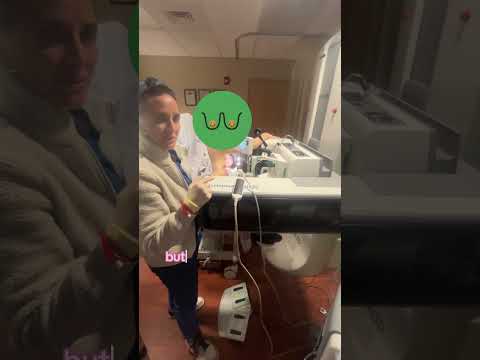
Hey there! Let’s chat about something super important—stereotactic breast biopsy. Yeah, I know, it sounds pretty technical, but trust me, it’s not as scary as it sounds.
Imagine this: You’ve just gotten some news from your doctor that makes your heart race. Not the good kind of race, either. It’s one of those moments where you feel like you’re stuck in a whirlwind of emotions. But then you hear about this amazing procedure that helps figure things out with pinpoint accuracy.
That’s where stereotactic breast biopsy comes in! It’s a fancy term for a procedure that helps doctors take a closer look at suspicious areas in the breast. With technology getting better every day, this method is evolving fast and becoming more precise than ever.
So let’s dive into what makes this future so bright and maybe even ease some worries along the way! Sound good?
Understanding the Disadvantages of Stereotactic Biopsy: Risks and Limitations
So, let’s chat about stereotactic biopsy. It’s a fancy term that most folks probably don’t think about until a doctor mentions it. Picture this: you’re feeling uneasy about a lump or something weird showing up on a mammogram, and your doctor suggests this type of biopsy to check things out further. Sounds good, right? Well, there are some disadvantages to consider.
First off, let’s talk about risks. While it’s generally considered safe, there are still some things that can go wrong. You might experience discomfort during the procedure—like a little pinch or pressure—but usually it goes away pretty quickly. However, some people have reported bleeding or bruising at the biopsy site. And let’s not forget that any time you’re dealing with needles and delicate areas, there’s always that tiny risk of infection.
Now, here are some key limitations you might wanna know:
- Sample Size: Sometimes the tissue sample taken isn’t big enough to give definite answers. It can be frustrating if it doesn’t provide clear results.
- Location Matters: If the lump is in an awkward spot, getting an accurate sample could be trickier than trying to take a selfie with your cat.
- Pain Management: While local anesthetics help numb the area, not everyone reacts the same way—and some find it more painful than expected.
- Anxiety Levels: Let’s face it; waiting for results can be super nerve-wracking. The whole process feels like forever when you’re itching for answers.
It’s normal to feel anxious about these kinds of procedures; I remember my friend Lisa went through something similar last year. She was so on edge waiting for her biopsy results that she basically wore a hole in her couch! But luckily everything turned out fine.
The bottom line? Stereotactic biopsies have their benefits and downsides. It’s crucial to chat those over with your healthcare provider before making any decisions because they know your personal health history best. And just remember: knowing what you’re getting into might make things feel less daunting!
Understanding the 2-Week Rule for Biopsy Results: What You Need to Know
So, you just had a biopsy, huh? That can be a nerve-wracking experience. Now you’re probably waiting for those results, and let me tell you, it may feel like forever. You might have heard about the “2-week rule” when it comes to getting biopsy results. Let’s dive into what that means.
First off, the 2-week rule isn’t set in stone; it’s more like a guideline. It suggests that you should typically expect to get your results back within two weeks after your biopsy. But hey, keep in mind that sometimes it can take longer. Factors like the type of biopsy and how busy the lab is can influence this timeline.
- Why two weeks? Well, during this time, pathologists examine your tissue samples under a microscope. They look for any abnormalities or signs of disease.
- What if I don’t get them in two weeks? No worries! Sometimes, more tests are needed or they might be extra thorough. Just ask your healthcare provider if you’re anxious.
- I heard about precision in biopsies?! Yup! With advances like stereotactic breast biopsies, doctors can target areas more accurately, which can lead to clearer results.
- The waiting game? Yup! It’s tough but try to distract yourself while you wait. Catch up on your favorite show or grab coffee with a friend—anything to keep your mind off things!
Now let me share a little story. A friend of mine recently went through this whole deal. She was super anxious about her results but kept reminding herself that worrying wouldn’t change anything. Luckily, when she finally got her call from the doctor—everything turned out fine! So see? There’s always hope!
In the end, just remember: waiting for biopsy results is stressful but you’re not alone in this journey. Lean on friends or family for support if everything starts feeling heavy. And whatever happens with those results, talk with your healthcare team—they’re there for you!
Understanding the Gold Standard Biopsy for Breast Cancer: A Comprehensive Guide
So, let’s chat about something super important in the world of breast cancer diagnosis: the Gold Standard Biopsy. It sounds fancy, right? But don’t worry; I’ll break it down for you.
The gold standard biopsy is basically a way for doctors to get a closer look at what’s happening in your breast tissue. They do this to see if there are any cancerous cells hanging around. Here’s how it generally goes down:
- Types of Biopsies: There are a few types, like fine needle aspiration and core needle biopsy. The core needle biopsy is what we usually talk about when we say “gold standard.” It takes a larger sample of tissue, giving doctors more info.
- Stereotactic Technique: This is where things get cool! A stereotactic breast biopsy uses 3D imaging to help detect abnormalities. Think of it like using GPS to find your way through a forest—you need precise directions!
- Why It Matters: This method helps catch things early. The sooner you know what’s going on, the better your chances are of effective treatment.
Now, here’s something personal. A friend of mine went through this process last year. She was scared and anxious, but after her stereotactic biopsy, she felt way more informed and empowered about her health decisions. That clarity can really make a difference!
You might be wondering: does this replace going to your doctor? Absolutely not! It’s important to have those discussions with your healthcare provider who can give tailored advice based on your situation.
The thing is, understanding procedures like these can really help take some weight off your shoulders during tough times. So if you or someone you know is navigating this journey, just remember—you’re not alone!
Oh man, let’s talk about stereotactic breast biopsy. I know, the topic sounds super clinical, but hang in there with me! So, picture this: you’re at a doctor’s office, and maybe you’ve heard a weird word about something in your breast. Yikes, right? That’s why getting it checked out is crucial.
Stereotactic breast biopsy is like the superhero of the diagnostic world. It uses 3D images to locate any potential problem in the breast tissue. Imagine trying to find a needle in a haystack—this technique is like using a metal detector! With this method, doctors can take tiny samples of tissue from specific areas without needing to perform more invasive surgery. Can you just feel that relief?
I remember when my friend had to undergo this procedure. At first, she was terrified; who wouldn’t be? But when she learned how precise it was—thanks to those fancy 3D images—it felt like a weight lifted off her shoulders. It wasn’t just some shot-in-the-dark guesswork; they knew exactly where to go and what they were doing.
Now imagine the future of this technique! Seriously, technology is moving so fast. You know how sometimes you hear about robots helping out surgeons? It’s like we’re merging sci-fi with reality! I mean, who knows? Maybe soon enough we’ll have systems that make the process even less scary and more comfortable.
It’s all about redefining what precision means in medicine. Instead of going through big procedures that leave people anxious and worried, doctors could offer less invasive options that still get the job done effectively. That’s basically what everyone wants when it comes to health: peace of mind.
So yeah, stereotactic breast biopsy might sound intimidating at first glance—but really, it’s paving the way for better care and understanding in women’s health. And through stories and advancements like these, we realize just how important it is to keep talking about these topics amongst friends and family. That’s what makes it less scary, right? Sharing experiences can be super powerful!
