

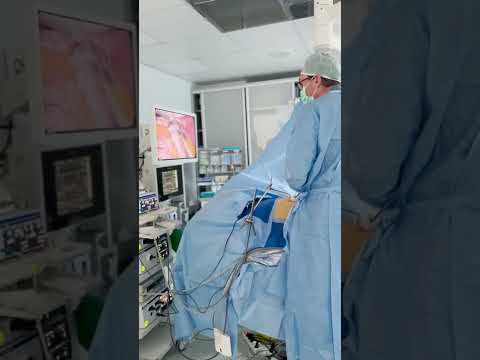
You know what’s wild? Surgery used to feel so daunting and, honestly, kind of scary. But get this—things are changing fast!
Stomach surgery isn’t just about big incisions and long recovery times anymore. Nope! With some crazy cool tech, it’s getting a serious makeover. Picture this: tiny cameras, robots doing all the heavy lifting, and even 3D printing involved in your care.
Sounds like something outta a sci-fi movie, right? But it’s real life! Imagine walking in for surgery and walking out feeling way better than you ever thought possible.
Curious yet? Buckle up because we’re diving into how cutting-edge tech is flipping the script on stomach surgery!
Understanding Recovery Time After Robotic Abdominal Surgery: What to Expect
So, you’ve just had robotic abdominal surgery and you’re wondering what the heck recovery will look like? First off, take a deep breath. This kind of surgery is pretty amazing thanks to all the cutting-edge tech that’s out there, but it does come with its own timeline for healing.
First things first: recovery can vary a lot from person to person. You might be back on your feet quicker than your buddy who had the same procedure! Generally speaking, most folks can expect some common phases throughout their recovery.
- The Hospital Stay: You could be in the hospital for about 1 to 3 days.
- The Initial Healing: This usually takes around 2 weeks. You’ll have soreness and some swelling—totally normal.
- Back to Routine: Most people get back to regular activities within a month. But listen to your body!
Now, let’s talk about what those early days might feel like. Imagine you’re chilling on the couch a bit more often than you’d like—totally reasonable. Sometimes, my friend John shared with me how he felt sluggish but relieved post-surgery. He quickly learned that taking it slow really helped him feel better overall.
And don’t forget about follow-ups! Your doctor will want to check in on you after surgery just to make sure everything’s healing nicely. It’s sort of like getting a progress report in school, right? You want to ace that check-up!
Remember: everyone heals differently, so give yourself grace during this time. For goodness sake, don’t compare your recovery pace with someone else’s—it’ll only stress you out!
And whatever you do—don’t skip out on pain management or advice from health professionals! They’re there to help guide you through this journey.
So whether you’re binge-watching shows or catching up on reading while recovering, know that with each day, you’re getting closer and closer to feeling like yourself again!
Exploring the Latest Innovations in Surgical Techniques: A Comprehensive Overview
So, you’ve probably heard about all the fancy tech being used in surgeries these days, right? Well, let’s dive into some cool stuff happening in the world of stomach surgery. It’s pretty mind-blowing when you think about it!
First off, there’s this thing called robotic surgery. Yup, robots are getting involved! Surgeons use robotic arms to perform procedures with super precise movements. Imagine trying to thread a needle while holding it with a giant glove. Not easy! But with robots, it’s like having a mini-Gladiator doing the work—swift and accurate.
Then there’s minimally invasive surgery. It sounds fancy, but all it means is smaller cuts and quicker recoveries. Instead of making a big ol’ incision, docs use tiny tools and cameras to get to where they need to go. This means you’re not just healing faster; you’re also feeling less pain afterward. That’s a win-win!
Another exciting development is virtual reality (VR). Now, before you think this is just for gaming, let me tell ya: surgeons are using VR for training! They can practice on virtual patients before touching the real deal. How cool is that? It’s like they get to play an intense video game where they save lives instead of just scoring points.
Also worth mentioning is augmented reality (AR). This tech puts digital images right onto the surgeon’s view during operations. Think of putting on glasses that show everything in 3D while they’re operating—talk about seeing things from a new angle!
And let’s not forget about data-driven techniques. Surgeons now have access to heaps of information about patients at their fingertips. They can make decisions based on real-time data, which can help them choose the best approach for each individual case.
In summary, the world of stomach surgery is changing fast with these latest innovations! Whether it’s through robotic arms or using VR for training—medical professionals are finding ways to do their jobs better and help people recover faster. But remember, these advancements are no replacement for healthcare professionals’ expertise; they simply enhance what experts can do!
So next time someone mentions surgical techniques or health tech innovations around you, you might just dazzle them with your newfound knowledge! How awesome would that be?
Exploring the Future of Robotic Surgery: Trends and Innovations for 2025
So, have you ever thought about the future of surgery? It might sound a bit sci-fi, but robotic surgery is seriously changing the game, especially when it comes to stomach surgeries. By 2025, we’ve got some exciting trends and innovations on the horizon that could make these procedures even more effective and, honestly, a lot less scary.
One of the big things happening is the increase in **robotic-assisted laparoscopic procedures**. This means surgeons can use tiny instruments controlled by a robot to do complex tasks inside your body. It’s like playing a video game—except way more serious!
Here’s what you can look forward to:
- Precision: Robots can make precise movements that human hands sometimes struggle with. This leads to smaller incisions and quicker recoveries.
- Enhanced Visualization: Robotic systems often come with high-definition 3D cameras. Surgeons get a crystal-clear view of everything going on in your belly.
- AI Integration: We’re seeing machines that learn from past surgeries. They might help surgeons make better decisions in real-time during operations.
- Tele-surgery: Imagine if your doctor could perform surgery from hundreds of miles away! This tech is advancing rapidly and could become reality soon.
Now, let me share something personal here. A close friend of mine had stomach surgery last year—open surgery, yikes! The recovery was tough for him; he talked about how painful it was and how long it took him to bounce back. If he had robotic surgery instead, things might’ve been way smoother for him.
But here’s the deal: while robotic surgery is super cool, it doesn’t replace the skilled hands of doctors or nurses who know what they’re doing. It’s just another tool in their toolkit.
As we move towards 2025 and beyond, keep an eye out for these advances! They have the potential to seriously revolutionize how stomach surgeries—and many other procedures—are performed. It’s an exciting time for healthcare tech! Remember though, always chat with professionals about any health concerns or questions you might have; they’re there to help you navigate this ever-evolving world of medicine.
You know, when you think about it, stomach surgery has come a long way. I mean, just a few decades ago, the thought of going under the knife for anything related to your gut was pretty daunting. Back then, it felt like a big deal—people would be in the hospital for ages and recovery was no picnic.
I remember my uncle had to have this major stomach surgery years ago. It was such a scary experience for our family. He had a huge incision that looked like he’d been through a battle. The whole process took way longer than anyone expected, and I swear we were all on edge worrying about how he’d cope post-surgery.
But now? Wow! Have things changed! With cutting-edge tech, like robot-assisted surgeries and minimally invasive techniques, it’s like we’re living in the future. Surgeons can operate through tiny incisions using these incredible robotic arms. It’s wild to think how these tools can help make surgeries less traumatic and recovery times quicker.
Plus, there’s all this fancy imaging tech that helps docs see exactly what they’re working with in real-time. It’s almost like having superpowers! Seriously though, it’s making things safer and more precise for patients.
And don’t even get me started on virtual reality – now that’s something else! Surgeons can practice procedures in VR before even touching real patients; it feels so futuristic yet so necessary at the same time!
Sometimes I wonder what my uncle’s experience would have been like if he had those options available back then. Would he have felt less nervous? Would his recovery be smoother? It’s kinda mind-blowing.
Of course, we still need to remember that nothing beats good old-fashioned medical advice from professionals when it comes to health matters. But seeing this tech evolve is just amazing—it feels like we’re giving people their lives back while also making surgery less of a horror story. It’s an exciting time for medicine!
