

Hey there! So, you know those days when your head feels like a marching band is playing the loudest songs inside? Or maybe you’ve got that annoying ache in your back after a long day? Ugh, it’s the worst, right?
You’re not alone in this! Pain is such a common thing. Luckily, there’s some help right in your local drugstore. Yup, I’m talking about over-the-counter painkillers.
These little wonders can be game-changers when you need fast relief without the hassle of a doctor’s visit. But which one should you reach for? Let’s dive into the world of painkillers—because nobody likes being sidelined by aches and pains!
Top Over-the-Counter Pain Relief: Discover the Most Effective Options
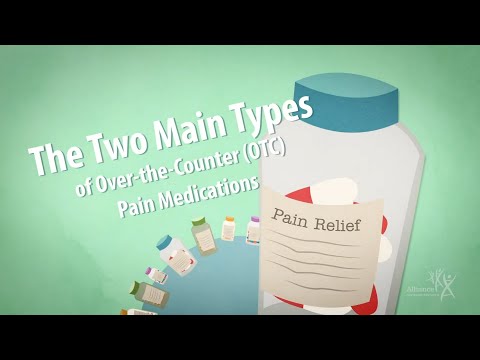
Hey there! So, let’s talk about something we all really want to know: pain relief! You’ve probably had those days when a headache hits you like a freight train or muscle soreness makes you feel like you’ve just run a marathon. Pain can be such a drag, right? But guess what? There are some over-the-counter (OTC) options that can help.
OTC pain relievers are available without needing a prescription, so they’re super convenient. However, it’s always good to remember that while they might help alleviate discomfort, it’s not a substitute for professional help if you need it. Seriously, if the pain sticks around or gets worse, don’t hesitate to call someone who knows their stuff.
Now, onto the **top contenders** in the OTC arena:
- Acetaminophen: This one is often known by its brand name Tylenol. It’s great for headaches and mild aches but doesn’t tackle inflammation as well as some others do.
- Ibuprofen: Brand names include Advil and Motrin. It works wonders for inflammation too! Perfect if you’re dealing with joint pain or swelling.
- Naproxen: Think Aleve here! It’s similar to ibuprofen but has a longer-lasting effect, which can be helpful for chronic conditions or flare-ups.
- Aspirin: Classic choice! It’s also anti-inflammatory and can help with cardiovascular health. Just be careful with it—especially if you’re young or have stomach issues.
You know what I remember? I had this awful toothache once. I was just trying to enjoy my Friday night pizza and bam! Pain city. I grabbed some ibuprofen feeling like it would save the day—and honestly? It did help until I could see the dentist. So yeah, these meds can be lifesavers sometimes!
Remember though—always read labels carefully and stick to recommended dosages since these meds do have side effects and interactions with other drugs. If you’re ever unsure about what’s right for you, chatting with a pharmacist is never a bad idea!
So there you go! Keep those OTC options in mind next time pain tries crashing your party. Just don’t forget: they’re handy tools in your health kit but not replacements for professional advice when you need it!
The Ultimate Guide to the Strongest Over-the-Counter Pain Relief Rubs
Pain relief rubs can be a game changer when you’re dealing with muscle aches, joint pain, or tension. You know those days when you feel like you’ve been hit by a truck? Yeah, I get it. It’s these moments that make you wish for something strong but simple to help get through the day.
When you’re looking for over-the-counter options, there are a few key types of pain relief rubs that tend to stand out. Here’s a quick rundown:
- Menthol-based rubs: These products provide a cooling sensation that can help mask pain. Think about that icy feeling when you apply it—it’s pretty refreshing!
- Capsaicin rubs: Made from chili peppers, these work by reducing the pain signals sent to your brain. It’s like giving your pain the boot! But hey, they may take a bit longer to kick in.
- Salicylates: These are similar to aspirin and can reduce swelling and inflammation. A little goes a long way here; just remember not to overdo it!
- Natural options: Some rubs use ingredients like arnica or eucalyptus oil which might be gentler and provide a soothing effect without all the harsh stuff.
So what should you keep in mind? Always read the label! Each product has different active ingredients and directions for use. If you’re trying something new, maybe do a little patch test first—to make sure you don’t have any reactions.
And let’s not forget about how these products feel on your skin! Some can leave that greasy residue which isn’t great if you’re expecting to put on your favorite shirt right after application.
Also, just because something is available at the store doesn’t mean it’s perfect for everyone. Seriously! If you’re dealing with chronic pain or have any ongoing health issues, chatting with someone who knows their stuff would be super helpful.
In summary, over-the-counter pain relief rubs can offer some sweet relief when you’re feeling achy or sore—but remember, they’re just one of many tools in your kit. And hey, they definitely don’t replace professional healthcare! Take care of yourself out there!
Top Painkillers for Managing Extreme Pain: A Comprehensive Guide
So, let’s chat about pain, shall we? Sometimes it hits so hard you just want to curl up in a ball and hide under the covers. Trust me, I’ve been there! But hey, a lot of folks turn to certain over-the-counter (OTC) painkillers for some relief. It’s all about finding the right one for you.
Here’s the scoop on some of the top OTC painkillers:
- Acetaminophen: This one’s like the reliable friend who always shows up on time. It can help with mild to moderate pain. Whether you’ve got a headache or are battling cramps, acetaminophen might be your go-to.
- Ibuprofen: Now, here’s another favorite. It’s in the nonsteroidal anti-inflammatory drugs (NSAIDs) family, which means it not only helps relieve pain but also reduces swelling. Think of it when you’re dealing with sore muscles after a workout or if you’ve twisted an ankle—ouch!
- Naproxen: Similar to ibuprofen but it lasts longer; it could be your friend for those all-day aches like arthritis or menstrual cramps. Seriously, having something that works longer can make a big difference!
- Aspirin: This classic has been around forever! It can help reduce pain and inflammation too. People often use it for headaches or minor aches and pains.
The thing is, not every painkiller works for everyone, right? What helps one person might not help another at all. So it’s super important to listen to your body and see what feels right for you.
Also, and this is key: these medications may come with side effects, especially if taken too frequently or mixed with other substances. Always read labels carefully! And if you’re ever uncertain, chatting with a healthcare professional is a good idea—like having that wise friend who gives solid advice when you’re in doubt.
At the end of the day, figuring out what works best for managing extreme pain is personal. Don’t hesitate to experiment (safely) and see what method makes those tough days just a bit more bearable!
Exploring the Most Powerful Painkillers Available: A Comprehensive Guide
Hey there! Let’s chat about painkillers. You know, those little miracles in a bottle that can help ease discomfort? Seriously, pain can be such a drag. I remember when I had a headache that just wouldn’t quit. I finally popped an over-the-counter pill, and it was like magic. Suddenly, the world wasn’t so painful anymore! But let’s break down what’s available out there.
When it comes to over-the-counter options, you’ve got a few main players:
- Ibuprofen: This one’s like your reliable friend who always shows up when you need them. It helps with inflammation and pain relief. Plus, it’s great for headaches or muscle aches.
- Aspirin: An oldie but goodie! It works similarly to ibuprofen but is often used for different kinds of pain. Just remember, it’s not for everyone—like kids and people with certain health issues.
- Acetaminophen: This is another popular option. It’s super for reducing fever and easing pain without bothering your stomach as much as some others do.
The thing is, while these painkillers can help you feel better during tough times, they’re not without their quirks. Always check dosages! It can be easy to forget that too much of anything isn’t great for your body.
You might wonder when to reach for these pain relievers? Well now, if you’re dealing with something like a persistent headache or mild muscle pains from working out (ugh), that’s when they shine! Just keep in mind that if your symptoms don’t improve or get worse, hitting up a healthcare provider is always the best call.
So there you have it—a quick peek into some powerful allies in the fight against everyday aches and pains. As always, listen to your body and don’t hesitate to seek help if things get tricky!
You know that feeling when you stub your toe really hard or get a headache that just won’t quit? Ugh, it’s like your whole day gets derailed. Well, let me tell you about over-the-counter painkillers. They’re like little superheroes in a bottle!
So, picture this: last week, I was at the park, enjoying the sunshine and eating a sandwich when suddenly—bam! A squirrel darted across my path. I tripped and fell right onto my wrist. Not my proudest moment, trust me. It hurt like crazy! I mean, who knew squirrels could be so dangerous?
Anyway, after some ice and a good cry (okay, maybe just a whimper), I reached for some ibuprofen that was hiding in my medicine cabinet. You’ve probably heard of it—it’s one of the most popular over-the-counter painkillers out there.
Ibuprofen works by blocking certain chemicals in your body called prostaglandins. Those guys are responsible for making you feel pain and inflammation. So when you pop one of these pills, they get to work almost like magic! The swelling goes down and before you know it, you’re back to living your best life—or at least finishing that sandwich.
Now don’t get me wrong; these little guys aren’t for everyone. If you’ve got certain health conditions or take other meds, you’d definitely want to chat with a healthcare pro first. And hey, there are also other options like acetaminophen or naproxen too! Each might work differently based on what’s bothering you.
But honestly? Having quick relief feels amazing when you’re hurting. It’s like someone took the weight of the world off your shoulders—or maybe just off your sore wrist! After taking ibuprofen, I felt way better and was able to enjoy the rest of my day without wincing at every little movement.
So next time you find yourself in pain from something annoying—be it a headache from staring at screens too long or those pesky muscle aches after working out—remember that there are resources out there just waiting to lend a hand (or pill). Just don’t forget to read the label and follow instructions because safety first, right?
Anyway, here’s to hoping we all need fewer squirrel-related injuries in our lives!
