

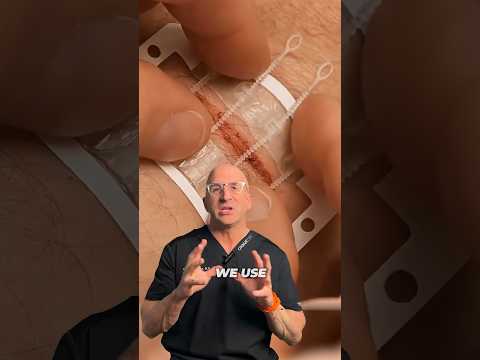
Hey there! Ever had a surgery or known someone who has? It’s kind of a big deal, right? You’re nervous, the waiting game is super intense, and then there’s that recovery part.
Well, guess what? There’s something pretty cool happening in the world of surgical recovery: advanced surgical staples! Yup, those little shiny things that hold you together after an operation are getting a serious makeover.
Imagine healing faster and with way less hassle. Sounds awesome, huh? Stick around as we dive into how these fancy-pants staples are changing the game for recovery. You’ll be amazed at what’s out there!
Effective Strategies to Alleviate Pain from Surgical Staples: A Comprehensive Guide
So, you’ve just had surgery, and now you’re dealing with those pesky surgical staples. Ugh, right? They can be a little uncomfortable, but there are some ways to help manage that pain. Let’s chat about some effective strategies that could make your recovery a bit smoother. Remember, always touch base with your healthcare provider if you’re feeling unsure!
1. Keep it Clean: It’s super important to keep the area around the staples clean. You don’t want any infections messing with your healing process! Gently wash the area with mild soap and water daily.
2. Moisture Management: Sometimes keeping the area dry can help reduce pain and irritation. If you find it’s getting too moist from sweating or showering, using a breathable covering might help.
3. Avoid Strain: After surgery, it’s crucial not to overdo it! Lifting heavy things or engaging in vigorous activity can cause discomfort around the staples. Take it easy and listen to your body.
4. Ice Packs: Using an ice pack wrapped in a cloth can work wonders for reducing inflammation and numbing pain near the staple area. Just remember not to apply it for too long—around 15-20 minutes is usually good!
5. Comfortable Clothing: Loose-fitting clothes are your best friend right now! They won’t rub against your healing skin or irritate those staples.
I remember when my friend had surgery on her knee; she was so worried about those staples! But hey, she found that putting on some cozy pants really helped her feel better during recovery—I mean who doesn’t love comfy clothes?
6. Stay Hydrated and Nourished: Drinking plenty of water and eating healthy foods can promote healing and help manage pain levels overall. It’s like giving your body fuel for a race!
It’s normal to feel anxious about recovery—those staples can feel like they’re right in the way sometimes! But by following these strategies, you might find some relief along the way.
So here’s a little reminder: while these tips could be helpful, they don’t replace professional healthcare advice! Always consult with your doctor if something doesn’t feel right or if pain persists longer than expected. You’ve got this!
The Risks and Complications of Leaving Surgical Staples in Place for Extended Periods
You know, having surgery can be a big deal. It’s not just about getting fixed up; it’s about the whole recovery journey afterward. One thing that often comes up is those little metal bits called **surgical staples**. While they’re super handy for keeping things snug and secure, leaving them in too long can come with some risks. Let’s break it down.
First off, one of the main concerns is **infection**. Even if everything seems alright initially, these staples can be a cozy little home for bacteria. If you think of it like this: imagine a door that’s slightly ajar—nothing looks wrong on the outside, but who knows what’s lurking in there?
Another issue could be **staple migration**. This is where the staples might shift or move around within your body, causing irritation or even injury to surrounding tissues. That’s definitely not something you want happening!
And let’s talk about **healing delays**. If staples are left in too long, they might actually mess with how well your body heals itself. Competetion between healing tissue and foreign objects isn’t exactly a recipe for success.
Lastly, you might encounter **allergic reactions** or other complications from materials used in the staples themselves. It doesn’t happen to everyone but when it does, it makes recovery way more complicated than it needs to be.
So while surgical staples play an important role in helping you heal after surgery, keeping them in longer than necessary can lead to some pretty yucky situations. Always keep an open convo with your healthcare team about when those bad boys should come out because no one wants unexpected drama during recovery! Remember though: this chat isn’t a replacement for professional healthcare advice but just a friendly heads-up about what could happen if staples aren’t monitored properly!
Understanding Surgical Staples: Do They Leave Scars?
So, you’ve probably heard about surgical staples, right? They’re like the superhero of stitches when it comes to closing wounds. But you might be wondering, do they leave scars? Let’s dive into that.
First off, surgical staples are typically made of metal or a special kind of plastic. They’re used in lots of surgeries because they can hold the skin together more securely than regular sutures. It’s kinda neat how they work—they snap together and create a tight closure. This helps with healing, you know?
Now, about those scars. Well, **the short answer is yes**, surgical staples can leave scars—just like any other method that closes a wound. The **size and appearance of the scar** depend on a few things:
- Location: Scars can look different depending on where they are on your body.
- Healing process: How well your skin heals plays a big role. Some people just tend to scar more easily than others.
- Caring for the wound: Keeping it clean and protected helps reduce scarring.
Let me tell you about my friend Sarah. She had surgery on her knee and got stapled up afterward. At first, she was really worried about the scar, but she followed her doctor’s advice on caring for it. After a while, she was pleasantly surprised! The scar faded quite nicely and is hardly noticeable now.
But remember, everyone’s skin is different! So what happens to one person might not happen to another. And while surgical staples have been revolutionizing recovery in many ways, it’s super important to take care of any wound properly—whether it’s closed with staples or stitches.
So if you’re ever in need of surgery or just curious about how these little metal guys work, now you know! Just keep in mind that while surgical staples are fantastic for healing, they can come with some scarring—and that’s something to discuss with your healthcare provider if you’re concerned.
Understanding the Disadvantages of Surgical Staples: Risks and Considerations
Hey there! So, let’s chat about surgical staples. You might’ve heard a lot about how they’re changing the game in surgeries, but like everything, they come with their own set of challenges. Here’s the deal: while surgical staples can speed up healing and are often less painful than stitches, there are some disadvantages you should know about.
First off, let’s talk about infection risk. Even though surgical staples are designed to hold things together tightly, they can still be an entry point for germs. If you’re not careful or if the area doesn’t heal properly, that could lead to some serious infection issues. And trust me, you don’t want that!
Another thing is the possible allergic reactions. I mean, it’s crazy how our bodies can react sometimes. Some people might be allergic to the metal in these staples. It’s like your body throws a surprise party when all you wanted was a quiet evening in.
Then there’s the question of removal. Sure, staples are great for holding things together during recovery. But once you’re ready to say goodbye to them, it can be a bit uncomfortable when a doctor removes them. Yeah, it stings!
And hey – there’s also the chance of misalignment. If those staples aren’t placed just right during surgery, it can affect healing and leave you with scarring or more complications down the line. It’s kinda like putting together furniture and realizing you’ve got one piece all wonky!
Lastly, don’t forget about potential long-term issues. Some people report feeling discomfort even after their staples have been removed. It’s like that annoying itch you just can’t scratch!
So yeah! While surgical staples offer some nifty benefits like faster healing and less pain compared to stitches, they aren’t without their risks and drawbacks. Always remember that this info doesn’t replace any healthcare advice – it’s just something for you to think about! Questions? Just ask your doctor; they’re ready to help!
So, let’s chat about those little wonders called surgical staples. You know, the ones that hold everything together after surgery? Honestly, it’s pretty fascinating how they’ve evolved over the years. I remember when my friend Jake had to get his appendix out. We were all worried at first. But then he came out of surgery, and bam! Instead of stitches, he had these sleek little staples lining his incision. It felt like a glimpse into the future or something.
Now, I get it—surgical staples may not sound all that exciting at first glance. But they’re kind of like those secret heroes in the medical world. Traditionally, stitches were the go-to for keeping things together after an operation. But let’s face it: stitches can be a bit messy and take longer to heal sometimes. Those advanced staples? They’re faster to apply and can even help reduce recovery time for some patients.
Imagine needing surgery and knowing you might bounce back quicker because of something as simple as a staple! It’s wild how technology has jumped in to make our lives easier—even in recovery rooms.
There are also different kinds of these staples now—some are absorbable and dissolve on their own! I mean, seriously? That’s pretty neat because who wants another appointment just to have them removed? Talk about a win-win situation!
Of course, nothing replaces good ol’ professional care when it comes to healing, but that doesn’t mean we shouldn’t appreciate how far we’ve come with recovery options. At the end of the day, it’s about getting you back on your feet as soon as possible and maybe even feeling less anxious about those hospital visits.
So yeah, next time you hear someone mention surgical staples, just think of Jake—or maybe even yourself if you’ve had similar experiences. In this crazy journey of health and recovery, every little advancement counts!
