

Hey there! So, you know when you’ve been swimming for a while, and suddenly your ear starts feeling all weird? Yeah, that annoying condition called swimmer’s ear can really mess up your fun. Seriously, it feels like there’s a little party going on in your ear that you didn’t RSVP to!
The thing is, technology has come a long way in helping us deal with those pesky ear infections. There are some cool solutions out there that can provide relief faster than you can say “cannonball.”
Let’s dive into this revolution of techy aids and how they might just save your summer vibes. You ready? Let’s go!
Quick Relief for Swimmer’s Ear: Effective Treatment Strategies
Swimmer’s ear can be a real bummer, right? It’s that annoying inflammation of the outer ear canal that often happens after you’ve been splashing around in the pool or ocean. You know, when water gets stuck in your ears? It can lead to all sorts of discomfort like itching, redness, and sometimes even pain. Anyway, let’s chat about some ways to find quick relief from this pesky condition.
First off, keep your ears dry. After swimming or showering, try tilting your head to let water escape. A good trick is to gently pull on your earlobe while you’re doing it. Seriously, it really helps!
Another strategy involves using some over-the-counter products. You’ll find drops designed specifically for drying up moisture and preventing infection. Just remember: check with a healthcare professional before trying anything new.
Now, if you’re feeling discomfort or pain, warm compresses can work wonders! Just grab a clean cloth and soak it in warm (not hot!) water. Then place it against your ear for a few minutes. It can soothe the area and might just ease that nagging ache.
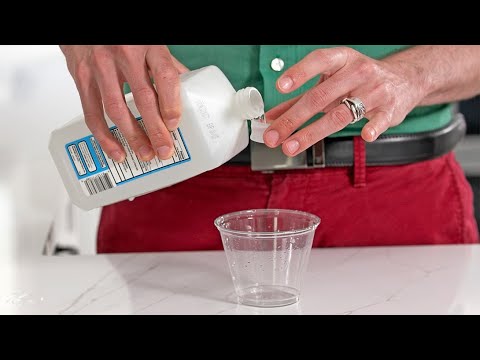
And hey, don’t forget about moisture-absorbing solutions! Some folks swear by white vinegar mixed with rubbing alcohol as an ear drop solution. The vinegar helps prevent bacterial growth while the alcohol dries out the ear canal—just make sure not to put anything in there if it hurts or feels blocked.
Sometimes tech comes into play here too! There are also devices designed to help remove excess moisture from your ears. While they sound super fancy, always ensure you’re using them correctly and safely.
Remember though: if symptoms persist or worsen, it’s time to consult a healthcare professional! These tips might provide some quick relief but they’re not substitutes for proper medical care.
So next time you plan on diving into that blissful water fun, keep these pointers in mind! Your ears will thank you later!
Top Ear Drops for Treating Swimmer’s Ear: A Comprehensive Guide
Swimmer’s ear, or as fancy folks call it, otitis externa, is that annoying ear infection caused by water hanging out in your ear canal. It leads to discomfort and sometimes even pain. So, what can help? Well, here’s a little chat about ear drops that might just be what you’re looking for.
First off, let’s understand that not all ear drops are created equal. Some are over-the-counter (OTC), while others you’ll need a prescription for. It’s important to check with a healthcare pro first because your unique situation might need something specific.
Some common types of ear drops include:
- Antibiotic drops: These help if there’s an infection going on. They work by fighting off the bacteria causing the issue.
- Corticosteroid drops: If you’re feeling extra itchy and inflamed, these bad boys can reduce swelling and give you some relief.
- Acidic drops: There are drops with solutions that help return the natural pH balance of your ear canal. This can discourage the growth of bacteria.
I remember when a friend of mine was battling swimmer’s ear after a summer trip to the beach. It was miserable! Those prescribed antibiotic drops did wonders for him. He said it felt like relief washing over him after days of discomfort.
Another thing to keep in mind is how to properly use those drops! You want to tilt your head so the affected ear is facing up and gently pull your outer ear down and back before applying the drop. It helps ensure they really get in there!
But hey, whatever path you choose, always reach out to someone who knows their stuff if symptoms hang around or get worse. It’s super important not to ignore it because untreated swimmer’s ear can lead to more serious issues down the line.
So remember: swimmer’s ear may be annoying but you’re not without options! Just make sure you consult with someone qualified about which ear drops might work best for you.
Top Antibiotics for Treating Swimmer’s Ear: A Comprehensive Guide
Swimmer’s ear, or otitis externa if you wanna get fancy, is that pesky ear infection many of us dread after a summer swim. Basically, it happens when water stays in your ear canal, creating a cozy environment for bacteria to party. Now, if you ever find yourself in this situation, you might hear about antibiotics being thrown around. So let’s dive into that! But remember, this info doesn’t replace professional healthcare.
Common Antibiotics Used
When it comes to treating swimmer’s ear, doctors often prescribe antibiotics to kick those bacteria to the curb. Here are some common ones:
- Ciprofloxacin: This one’s often prescribed because it’s effective against the types of bacteria that cause infections.
- Ofloxacin: Another antibiotic that works well for outer ear infections.
- Neomycin: Sometimes found in combination with other medicines, it targets different bacteria types.
You know how when you’re sick and your friend brings you soup? Well, think of these antibiotics as your body’s support team battling it out with those unwelcome germs.
Treating Swimmer’s Ear
Using these antibiotics typically involves applying drops directly into the ear canal. It might sound odd, but trust me, it helps focus on where the problem is! The doctor will give instructions about how many drops to take and how often. Seriously though, always follow what they say and never skip doses!
Technology Helping Out
These days, tech has its part too! Some advancements help doctors diagnose swimmer’s ear faster and more accurately without the guesswork. Think of those cute little cameras they use—definitely more advanced than just peeking in with a flashlight!
But hey! Just because there are cool gadgets doesn’t mean self-diagnosis is a good idea. If you think you’ve got swimmer’s ear, it’s best to reach out for some professional advice.
So next time someone mentions swimmer’s ear or antibiotics for it—remember what we’ve chatted about here. It’s all about knowing your facts without getting lost in the noise!
Always reach out to a doc for personal advice or treatment options because each person’s situation is different. Stay safe and keep those ears dry while swimming!
Effective Home Remedies for Treating Swimmer’s Ear: A Comprehensive Guide
Swimmer’s ear, or otitis externa, is that annoying condition where your outer ear canal gets inflamed. You know, it often happens after a day splashing around in the pool or the ocean. It can feel itchy and uncomfortable, and it might even hurt sometimes. So, what can you do at home to help with this?
Keep your ears dry. After swimming or showering, gently dry your ears with a towel. You can tilt your head to let any water escape. Some people even use a hairdryer on the lowest setting from a distance—just be careful! You don’t want to burn yourself.
Use warm compresses. If you’re feeling discomfort, you can apply a warm compress to your ear for about 20 minutes. It’s kind of like giving your ear a cozy hug! This can help soothe pain.
Try vinegar and rubbing alcohol. Yep, that good old combo many folks talk about! A few drops of equal parts vinegar and rubbing alcohol in the affected ear may help dry it out and prevent infection. Just don’t go overboard—less is more here!
Olive oil might also help. A drop or two of warm (not hot!) olive oil can moisturize the ear canal and ease irritation. Plus, it feels nice if you’ve got dry skin in there.
I remember when my friend got swimmer’s ear after our beach trip last summer; she was miserable! We tried some of these suggestions together while binge-watching our favorite show. Although it didn’t replace seeing her doctor eventually, it did bring her some comfort until she could get proper care.
Though these home remedies may provide **temporary** relief, they are not replacements for professional healthcare. If things don’t improve or get worse—like pain intensifying or fever setting in—it’s super important to see a healthcare provider ASAP!
In summary:
- Keep ears dry.
- Apply warm compresses.
- Try vinegar and rubbing alcohol.
- A drop of olive oil may soothe irritation.
So there you have it! Stay safe while having fun in the water—but if swimmer’s ear strikes, you’ve got some ideas to take the edge off until you chat with a pro!
So, swimmer’s ear, huh? It’s one of those pesky problems that can really ruin your day at the beach or pool. Now, I remember a family trip to the lake when I was a kid. I was so excited to dive in, but after a crazy cannonball session, I ended up with that annoying feeling of water stuck in my ear. The whole next day? Ugh! Talk about miserable.
But here’s where it gets interesting: technology is stepping up its game to help with things like this. Seriously, some of the new gadgets and apps are designed to prevent and treat swimmer’s ear in ways we never imagined before.
You know how sometimes you just want a quick fix? Well, imagine having a Bluetooth device that can detect moisture levels in your ears or even monitor symptoms in real-time. It sounds futuristic, right? But tech experts are working on stuff like this!
And then there are those clever drying drops you can get now that warm up as you apply them. It’s all about creating an environment that’s not so inviting for those nasty bacteria that cause infections. So, instead of waiting around for the pain to kick in—which is no fun at all—you can be proactive.
But it’s not just about gadgets; there’s also an influx of apps that guide you through preventive measures and give tips on keeping your ears healthy while swimming or diving into different activities.
Of course, while these tech solutions sound great and all, they don’t completely replace good old-fashioned common sense or visits to the doctor if things get serious. Remember my lake trip? If only I had one of these neat tools back then!
Anyway, it’s nice to see how innovation is trying to make everyday issues like swimmer’s ear a bit easier to handle. Here’s hoping future generations enjoy splashing around without worrying so much!
