

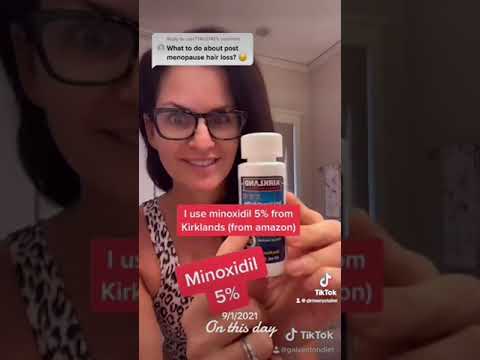
Hey there! So, let’s talk about something we don’t chat about enough—thinning hair during menopause. Yeah, it’s a thing, and can be super frustrating!
Picture this: you’re in the middle of your day, feeling great, then you catch a glimpse of your reflection. Wait, is that a little less hair? Uh-oh!
Don’t sweat it too much. You’re definitely not alone in this boat. Lots of folks face similar struggles when those hormonal changes kick in.
But guess what? There are smart solutions out there waiting for you! Let’s dive into some tips and tricks that could help you navigate this hairy situation (pun totally intended!). Are you ready?
Top Solutions for Managing Menopausal Thinning Hair: Effective Treatments and Tips
Hey there! If you’re dealing with thinning hair during menopause, you’re definitely not alone. Lots of women go through this, and it can feel frustrating. Your hair has been your crown for so long, and suddenly it feels like it’s losing its luster. Let’s talk about some straightforward ways to handle this issue.
Nutrition is key. What you eat impacts your hair’s health. Including foods rich in vitamins and minerals can be super helpful. Think leafy greens, nuts, fish, and whole grains—they all contribute to stronger hair.
Consider supplements. Sometimes our diets just don’t cut it. Things like biotin or omega-3 fatty acids might give your mane a boost. Just remember to chat with a healthcare professional before diving in—better safe than sorry!
Gentle hair care is essential. During menopause, your hair may become more fragile. That means being cautious with heat styling tools and harsh chemicals. Opt for gentle shampoos and conditioners that nourish rather than strip away.
- Scalp massages can be great! They stimulate blood flow to the scalp which could encourage healthier growth.
- Avoid tight hairstyles. Braids or tight ponytails can break your hair more easily when it’s thinner.
- Stay hydrated! Drinking enough water supports overall health, including that precious mane of yours.
- Talk about it! Sometimes sharing experiences with friends or even a support group can lighten the emotional load.
You might want to explore topical treatments, too. Some creams or serums are designed specifically for thinning hair. They often have ingredients that help promote growth or thickness—it’s worth a shot if you think it’ll make you feel better!
The thing is, we all have moments when we feel like our bodies are betraying us—in those times, remember: you’re not alone in feeling this way! It’s totally natural to seek solutions that bring back some confidence. So keep experimenting with what works best for you while recognizing that professional guidance is super important when making changes to your routine.
No doubt about it; thinning hair during menopause can be tough, but there are smart solutions out there just waiting for you to discover them!
Top Vitamins to Combat Hair Loss During Menopause: A Comprehensive Guide
So, let’s talk about thinning hair during menopause. It can be a real bummer, right? One moment your hair is full of life; the next, it feels like it’s playing hide and seek. This happens because hormonal changes are shaking things up in your body. Here’s where vitamins come into play. They can help support your hair health!
Vitamin D is super important. It helps create new hair follicles. When you don’t get enough sun—or vitamin D from food—your strands could suffer. So, consider foods like fatty fish or egg yolks to boost your intake.
Next up is B vitamins, especially B7, which is also known as biotin. It’s a fan favorite among those looking to keep their locks healthy! You can find it in nuts, whole grains, and bananas. Seriously though, who doesn’t love a good banana?
Then there’s Vitamin E. This one’s like a superhero for your scalp—it improves blood circulation! Good circulation means more nutrients for your hair roots. You might want to try avocados or sweet potatoes for a little vitamin E goodness.
And let’s not forget Vitamin A. It plays a role in cell growth and helps produce sebum that keeps your scalp moisturized. Carrots and leafy greens are packed with this gem!
Lastly, Iron and Zinc are essential too! Iron helps carry oxygen to your hair follicles, while zinc plays a big role in maintaining healthy hair growth. You can find these minerals in red meat, beans, nuts—okay basically yummy stuff!
Now remember: while these vitamins might give your mane some support during menopause, they’re not magic fixes. It’s always best to chat with a healthcare professional about any major changes you’re thinking of making.
Feeling overwhelmed? Don’t worry! Many women go through this transition period and figure things out along the way. Just take it one step at a time and treat yourself gently!
Effective Strategies to Reverse Thinning Hair After Menopause
So, have you noticed your hair looking a little thinner since hitting menopause? You’re not alone! A lot of women experience changes in their hair during this phase of life. It can be a bit disheartening, but there are some smart strategies to help you navigate thinning hair.
Understanding the Cause
First off, let’s talk about what’s happening. During menopause, hormone levels shift, and that can impact your hair’s growth cycle. Estrogen and progesterone usually keep your hair thick and healthy. When those levels drop, well, let’s just say your locks might not be as lively.
Nourishment is Key
Your diet plays a huge role in the health of your hair. Make sure you’re gobbling up:
- Proteins: Think chicken, beans, and nuts.
- Omega-3 fatty acids: Found in fish like salmon.
- Vitamins: Especially Biotin (hello eggs!) and Vitamin D.
A little backstory here: my aunt always told me how she’d whip up these amazing smoothies packed with greens and seeds after hitting her fifties. She swore by them for keeping her hair shiny!
Gentle Hair Care
The way you treat your hair matters too. Avoid harsh chemicals in shampoos or treatments—go for gentle ones instead. And when you wash your hair, try not to rub it too vigorously; just pat it dry with a towel. Less friction means less breakage!
The Power of Scalp Massage
Seriously! Giving your scalp a little love can boost blood circulation to the roots. Use your fingers to gently massage it for a few minutes each day. It’s relaxing too—bonus!
Simplify Your Routine
If you’re using multiple styling products or heat on your hair every day, consider cutting back to give it a break. Sometimes less is more! Letting it air dry more often could be all the TLC it needs.
Consulting Professionals
If it’s still bothering you after trying different methods, don’t hesitate to chat with someone who knows best—a dermatologist or trichologist (that’s fancy talk for a hair specialist). They can offer tips tailored just for you.
Remember though, there’s no one-size-fits-all solution here! Keep experimenting until you find what works for you because that confidence boost from healthy-looking hair? Totally worth it!
Top Products to Combat Menopausal Hair Loss: Nourish and Revitalize Your Hair
Menopause can be a wild ride, right? You think you’re just dealing with hot flashes and mood swings, and then bam! Your hair starts thinning. That can be super frustrating. But no worries! There are some products that might help you nourish and revitalize those lovely locks.
First up, shampoos and conditioners specifically designed for thinning hair. These often contain ingredients like biotin and keratin, which are known to strengthen hair. Biotin is one of those vitamins that your body loves for building strong hair. You’ll probably notice a difference in how your hair feels after just a short time.
Then there are hair serums. They’re like magic potions! Many of them contain nourishing oils and vitamins that hydrate your scalp and promote healthy growth. Look for serums with ingredients like caffeine or peppermint oil; they can stimulate blood flow to the scalp, which might give your hair that extra push it needs.
Another option is scalp treatments. Your scalp deserves some love too, you know? Treatments with salicylic acid can help keep your scalp clean and free from buildup, while others focus on moisturizing. A happy scalp is a key player in growing healthy hair!
Don’t forget about supplements. It’s not always about what you put on your hair; sometimes it’s what you put in your body. Supplements rich in vitamins B, C, D, E, along with minerals like zinc and iron can support overall hair health. Always check with someone who knows their stuff before starting any new supplement though!
And hey, if you’re feeling creative, look into hair fibers. These little guys cling to your strands to make thin areas appear fuller. They’re great for those days when you want an instant boost without changing anything else.
Lastly, practicing good hair care habits can make all the difference too. Think gentle brushing techniques or avoiding tight hairstyles that pull on the roots.
So there you go! Remember though: this info doesn’t replace chatting with a healthcare pro who really knows what they’re talking about when it comes to menopause or hair loss challenges. Take care of yourself!
So, let’s chat about something that’s been on a lot of people’s minds—thinning hair during menopause. I mean, it feels like we tackle plenty of changes as we navigate this phase of life, right? Mood swings, hot flashes, and the fun surprise of thinning hair. Ah, the joys!
Now, I remember a time when my friend Sarah started noticing her once-bouncy hair wasn’t quite so lively anymore. We were grabbing coffee one day—she flipped her hair back, and there was this look in her eyes like she was grappling with something deeper than just hair loss. It’s a big deal! Hair is often tied to self-image and feeling good about ourselves.
Anyway, thinning hair can happen for a bunch of reasons during menopause: hormonal shifts, stress (yes please!), or just age catching up with us. It can feel like a punch in the gut when you glance at your reflection and see those sparse patches or the lack of volume.
But hey, there are some smart solutions out there! One thing to consider is talking to someone—a professional who can help guide you through the options tailored for you. There are topical treatments that might help thicken your strands or even give them a bit more shine. And don’t forget about nutrition; what you put inside matters too! Foods rich in vitamins A, C, D, E—like leafy greens and nuts—can be game-changers for your hair.
And guess what? Keeping stress levels down is crucial too. Easier said than done sometimes! Finding ways to relax—yoga or meditation maybe?—could actually do wonders not just for your mind but for your scalp as well. Who knew?
And if all else fails? Embrace it! Seriously, think about rocking shorter styles or experimenting with wigs if that makes you feel fabulous. Some people even love playing with colors to add some fun back into their look!
At the end of the day, it’s all about finding what works for you and remembering that you’re not alone in this journey. So here’s to navigating these changes together—with laughter and maybe even a little creativity thrown in!
