

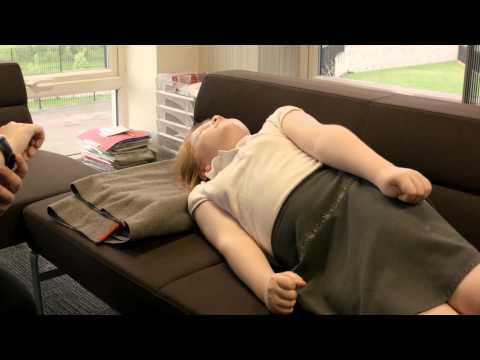
Hey there! Have you ever heard of tonic seizures? They can be super scary, but let me tell you, there’s a lot happening in the world of care and tech that’s really changing the game. It’s all about understanding what these seizures are and how new innovations are making life a bit easier for those affected.
Imagine waking up from a seizure and needing help, but no one around you knows what to do. Yikes, right? That’s where technology steps in! It’s not just about fancy gadgets—it’s about safety and support. So grab a comfy seat, because we’re diving into some seriously interesting stuff here. Let’s explore how innovation is transforming care for those living with tonic seizures. You’re gonna want to stick around!
Understanding the 3 C’s of Seizures: Causes, Characteristics, and Consequences
So, you’ve heard about seizures, right? They can be pretty intense and confusing at times. But don’t worry, let’s break it down together. When we talk about seizures, especially tonic seizures, it helps to understand the 3 C’s: Causes, Characteristics, and Consequences.
Causes: These are the reasons behind a seizure happening in the first place. Tonic seizures are often caused by conditions like epilepsy or brain injuries. They can also be linked to other medical issues like infections or brain tumors. It’s kinda wild how many different factors can contribute to them! Just imagine your friend who suddenly collapses during a game because of a seizure. It might surprise you to know that underlying health issues could be the reason.
Characteristics: This part is all about what happens when someone has a tonic seizure. During this type of seizure, the muscles stiffen up and become really tense. It’s almost like they’re frozen for a moment! Someone experiencing this might fall or have difficulty moving their limbs properly. You know that feeling when you’re trying to wake up but your body just won’t cooperate? That’s sort of what it feels like—everything just pauses for a bit.
Consequences: After a seizure, people might feel confused or tired—like running a mental marathon! There could also be risks involved, like injuries from falling if they’re not careful. Imagine how scary it must be for someone not knowing when the next episode might happen! And let’s not forget how it can affect daily life: school, work, and even social activities can feel pretty different post-seizure.
The thing is, understanding these 3 C’s helps you see what someone with seizures goes through daily. It’s essential to approach this topic with care and understanding because each person has their own story and experiences with seizures!
Remember, if you want details tailored for anyone in particular or need guidance on managing seizures better, reaching out to healthcare professionals is key! They’re here to help navigate this complex world.
Discovering the Most Effective Treatments for Tonic Seizures: A Comprehensive Guide
So, let’s chat about tonic seizures, huh? They can be a little scary, but understanding them is the first step in feeling more at ease. Tonic seizures are those moments when a person’s muscles suddenly stiffen. Imagine your muscles locking up for a bit, which can be pretty intense. It’s essential to know that this isn’t just a “bad day” kind of thing; it’s part of a broader condition called epilepsy for many people.
What Triggers Tonic Seizures?
The thing is, these seizures can be triggered by various factors. Stress, sleep deprivation, or flashing lights might set them off for some folks. Recognizing triggers can be super useful in managing the situation.
Treatment Options
When it comes to treatments, there are quite a few paths you might explore:
- Medications: Anti-epileptic drugs (AEDs) are usually the go-to solution. These help control seizure activity and vary widely from person to person.
- Vagus Nerve Stimulation (VNS): This involves implanting a device that sends electrical signals to the brain. Sounds sci-fi, right? But it can help reduce seizures!
- Ketogenic Diet: Yeah, you heard that right! Some people find relief through this high-fat, low-carb diet that alters how energy is produced in the body.
But here’s where it gets cool: technology is evolving! There are now apps and devices designed to detect when someone is having a seizure and alert caregivers or loved ones. Seriously, imagine how comforting that could be!
Lifestyle Changes
On top of all that stuff above, lifestyle changes can make a difference too. Things like ensuring you get enough sleep and reducing stress levels might help lessen the frequency of tonic seizures.
Let me share something personal here—a friend of mine once had really frequent tonic seizures. It was tough on him and everyone around him. But with some adjustments in his lifestyle and finding the right medication with his doctor’s help, he felt more in control of his life again. It made such a difference!
If you’re facing this challenge—or know someone who is—staying informed is key! Remember though: conversations about health should always involve professionals who know their stuff well.
Sometimes it feels overwhelming but hey—you’re definitely not alone in this journey!
Understanding the New Terminology for Tonic-Clonic Seizures
So, let’s chat about tonic-clonic seizures and some new wording that’s popped up. You may have heard these referred to as grand mal seizures in the past. But guess what? It’s 2023, and there’s been a bit of an update in the terminology.
Tonic-clonic seizures combine two phases: the tonic phase and the clonic phase.
– In the **tonic phase**, your muscles stiffen up. This is when someone might fall and become rigid.
– Then comes the **clonic phase**, which is all about those uncontrollable jerking movements. It can look pretty intense!
You might wonder why language changes like this happen. Well, it usually has to do with wanting to be clearer or more precise about what’s happening during a seizure. The term “tonic-clonic” gives us a better idea of what to expect compared to “grand mal,” which was kinda vague.
Sometimes, people feel confused about these terms because they sound complex, but they’re really not! They’re just a way for doctors and healthcare workers to communicate better with each other—and you, too.
Now, if you’re someone who has experienced these seizures or knows someone who does, staying in the loop with this new lingo can really help in understanding what’s going on. And it can empower you when talking to healthcare professionals!
And there are also exciting developments in technology that help monitor and manage these kinds of seizures better than ever before! From wearable devices that track movements to apps that keep tabs on triggers, innovation is on our side.
That being said, always remember that understanding these terms doesn’t replace professional healthcare advice or treatment! If you’re looking for more information specific to your situation or for someone close to you, it’s always best to chat with a medical professional who knows their stuff.
So yeah, that’s a quick look at what’s up with tonic-clonic seizures and how we talk about them now. Keep this info handy; it could help make those brain conversations a little smoother!
Understanding Clonic Seizures: Symptoms, Causes, and Treatment Options
So, let’s chat about clonic seizures. You might have heard the term floating around, but what does it actually mean? In simple terms, clonic seizures are a type of seizure where your muscles spasm and jerk uncontrollably. It’s like your body suddenly has its own dance party without your permission!
The symptoms can be pretty dramatic. During a clonic seizure, you might notice:
- Your arms and legs shaking in a rhythmic way.
- Loss of consciousness for a bit.
- Tongue biting or even drooling.
- A sense of confusion when you come back around.
Now, about the causes. Clonic seizures can be triggered by a variety of factors including:
- Brain injuries or infections.
- Certain medical conditions like epilepsy.
- High fever in young kids (this is called febrile seizures).
But here’s the thing: everybody is different! What causes one person to have them might not affect someone else at all. It’s also important to remember that having one seizure doesn’t mean you have epilepsy—lots of people experience them once in a while for various reasons.
When it comes to treatment options, there are several roads you can take. Most folks would start with medications, which can help manage those pesky seizures. Some people also explore:
- Diet changes—like trying out the ketogenic diet.
- Surgery if medications don’t do the trick and it’s safe to do so.
- Nerve stimulation therapy—a fancy way to help control those signals from the brain!
A while back, I met this awesome lady named Jen who had been dealing with clonic seizures for years. She told me that finding the right medication was like dating—sometimes you just gotta kiss a few frogs! Once she found her perfect fit, her life totally changed for the better. Seriously! It reminded me that everyone’s journey with these things is unique and takes time.
So there you have it! Clonic seizures are no fun, but understanding them is key. Just keep in mind that this info doesn’t replace talking to a healthcare pro about anything you’re experiencing. They’ve got your back way better than any blog post ever could!
You know, the world of health tech is just buzzing with excitement lately, especially when it comes to something as serious as tonic seizures. It can seem overwhelming. Just picture this: you’re hanging out with a friend at a café, and they suddenly have a seizure right there. It’s shocking! I remember the first time I saw it happen—my heart raced, and I didn’t know what to do. Thankfully, they were okay afterward, but that moment really opened my eyes to how important it is for folks around them to be equipped with knowledge and tools.
So where are we today in terms of care and innovation? Well now, thanks to technology, there are some pretty cool things happening! Devices like wearable monitors are making waves. They can track your heart rate or even detect seizures before they happen. Imagine the peace of mind that brings! It’s like having a little guardian angel watching over you.
And then there’s mobile apps that help manage medications or record seizure activity. Man, those can be game-changers for both patients and caregivers! With everything stored in one place, it can make doctor visits smoother too. Seriously though—who doesn’t want fewer awkward “um” moments while trying to explain what you’ve been going through?
But it’s not just about tech; it’s about community too. There are online support groups where people share their experiences and insights. You’d be surprised how powerful it is just to talk with someone who gets what you’re going through! You might think you’re alone in this crazy ride, but nope—not at all!
That said, while these innovations sound amazing—and they truly are—they still need to be paired with professional healthcare advice. Tech shouldn’t replace doctors or personalized care plans; instead, think of it as a helpful sidekick.
In the end, every little step forward counts when it comes to managing tonic seizures and making life easier for everyone involved. So whether you’re rocking a smartwatch or joining an online forum, just know that there’s hope out there—and you’re definitely not navigating this path alone!
