

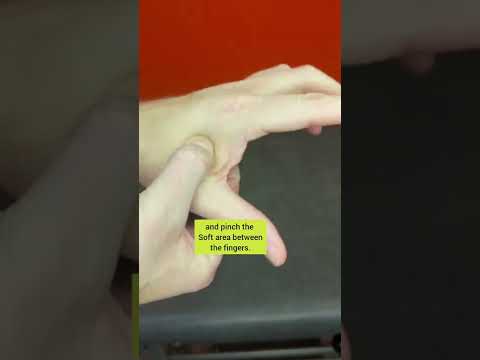
Have you ever felt that nagging pain in your thumb? Ugh, it’s the worst, right? You try to do simple things like opening jars or texting. And there it is—sharp, annoying pain. Seriously, so frustrating!
Well, guess what? There’s a thing called trapeziectomy that might help you out. It’s a fancy term for a surgery that can take away that pesky pain from your thumb joint. Sounds wild, huh? But trust me, it’s a game changer for many.
In “Healing Hands,” we’ll dive into what trapeziectomy is and how it can make life a whole lot easier for those struggling with thumb pain. You’ll learn about the benefits and hear some real-life stories of folks who’ve been there and done that. Ready to find out more? Let’s jump in!
Understanding Pain Duration After Trapeziectomy: What Patients Need to Know
Hey there! So, you’re curious about what happens after a trapeziectomy? First off, let’s break this down a bit. A trapeziectomy is when they remove a tiny bone in your wrist called the trapezium, often to help with arthritis or pain. Sounds simple enough, right? But like any surgery, it comes with its own set of things to think about.
Understanding Pain Duration
After surgery, most people experience swelling and some level of discomfort. Now, here’s the thing: the duration of pain can really vary. While some folks might feel better in a few weeks, others could take a few months to get back to their normal groove. It all depends on factors like your body’s healing rate and how well you follow post-op care instructions.
- The first couple of weeks tend to be the roughest for many people. Pain is common during this time as your body starts healing.
- By around six weeks post-surgery, many see improvements. You might find that activities become easier.
- After three months, most people report significant reductions in pain levels and an increase in mobility.
You know that feeling when you stub your toe? It’s super annoying and can linger for days. Well, while a trapeziectomy isn’t quite as trivial as stubbing a toe, there’s often a similar sense of “What’s happening? Why does it still hurt?” But hang tight; patience really is key!
The Healing Process
Your body needs time to heal properly. During recovery, it’s normal for pain to fluctuate—some days might feel better than others. This can depend on how active you are or if you’ve done something that puts strain on your wrist.
- Resting is essential. Your body will thank you for giving it some TLC!
- Pain management techniques can help too—like ice packs or over-the-counter pain relievers as suggested by your healthcare provider.
Just remember: everyone heals at their own pace! It might feel like forever at times, but hang in there! Keep lines of communication open with your medical team; they’re there to help guide you through recovery.
If all this sounds overwhelming or confusing—totally normal! Just keep your head up and remind yourself that each day brings you closer to feeling better. And always reach out if you’re unsure about anything; that’s what they’re there for!
Effective Hand Exercise Techniques for Post-Trapeziectomy Rehabilitation
When you’re coming back from a trapeziectomy, which is when they remove the trapezium bone in your wrist, hand exercises are super important. They help to rebuild strength and flexibility. Plus, they make sure your hand gets back to doing all those things you want it to do—like typing, gripping, or even just high-fiving your friends!
So what are some good hand exercise techniques? Here are a few that might help you on your journey:
- Finger Flexion and Extension: Start by gently bending your fingers into a fist and then straightening them out again. Do this slowly for about 10 reps. It’s like giving your fingers a little workout!
- Thumb Opposition: Touch the tip of each finger with your thumb one at a time. This helps with pinching and gripping motions.
- Wrist Circles: While resting your forearm on a table, let your hand dangle off the edge. Move your wrist in circles—big ones and then smaller ones. It feels weird at first, but trust me; it’s good for mobility.
- Towel Twist: Grab a towel and twist it as if you’re wringing out excess water. It’s surprisingly effective for those muscles!
- Squeeze Therapy: Use a stress ball or even a rolled-up sock to squeeze. Just hold and release; try doing this around 15 times.
I remember when my friend Rebecca had her trapeziectomy—she was so frustrated at first! She couldn’t believe how challenging simple tasks seemed after surgery. But once she started doing these exercises regularly, she noticed small improvements day by day. It was amazing to see her go from struggling to open jars to handling them like a boss!
The thing is, everyone’s recovery is different; some folks might feel stronger faster than others. So always listen to what your body tells you! And keep in mind that while these exercises can be helpful, they aren’t replacements for professional healthcare advice.
At the end of the day, it’s all about being patient with yourself as you heal. Give those hands some love and attention!
Effective Strategies for Managing Pain After Thumb Surgery: Tips and Remedies
So, you’ve had a trapeziectomy, huh? That’s a fancy word for surgery to help relieve thumb pain. First off, kudos to you for taking that step! Now, if you’re wondering how to manage pain after such surgery, you’re in the right place. Let’s chat about some effective strategies you can consider.
After your surgery, it can feel like your thumb is throwing a little tantrum. Pain is super common in that early healing phase. But there are ways to help ease that discomfort:
- Icing: A classic move! Applying ice packs to the area can really help reduce swelling and numb the pain. Just remember to wrap the ice in a cloth so it doesn’t touch your skin directly. Give it about 15-20 minutes every hour or so.
- Elevation: Keep that hand above heart level when resting! It sounds simple, but it really helps with swelling. You can prop it up on pillows while you chill on the couch.
- Pain Meds: If your doc sent you home with any prescribed medications or suggested over-the-counter options like ibuprofen, use them as directed! They can make a big difference in your comfort level.
- Gentle Movements: As healing continues, doing some light movement (when approved by your healthcare pro) can be really beneficial. Think of tiny exercises like moving your fingers around—nothing too wild!
- Distraction Techniques: Sometimes keeping your mind off things is key! Whether it’s watching a movie or getting into a good book, find something fun to keep yourself occupied.
Remember that recovery takes time; it’s not a race! Listen to your body and don’t push yourself too hard. I once had a friend who had similar surgery and insisted on baking right away—let’s just say they ended up having more pain than they bargained for!
If things don’t feel right or if pain gets worse instead of better, make sure you reach out to your healthcare provider. Your healing journey matters! The bottom line is: take care of yourself and give those hands the TLC they deserve as they heal.
Comprehensive Guide to Trapeziectomy Surgery: Step-by-Step Video Demonstration
So, let’s chat about trapeziectomy surgery and how it can make a big difference for folks dealing with thumb pain. This might sound a bit technical, but don’t worry! We’ll break it down nice and simple.
What is trapeziectomy? Basically, it’s a surgery to remove the trapezium bone in your wrist. This little bone sits right at the base of your thumb. When people have arthritis or chronic pain there, this surgery can help relieve discomfort and improve function.
A lot of times, people who get this surgery experience a whole new lease on life! I remember my friend Lisa. She struggled with her grip for years due to arthritis in her thumb. After her trapeziectomy, she said it felt like getting her old self back—she could finally open jars again without nearly crying! Isn’t that something?
What happens during the procedure? The surgeon usually makes an incision at the base of your thumb and removes that pesky trapezium bone. Then they might use some soft tissue from another part of your body to fill in the gap. This helps stabilize things and gives you way more comfort.
- The recovery time: It’s not instant magic; you’ll need some time to heal. Most folks wear a splint for a while to keep everything in place.
- Pain relief: Many report significant pain reduction after recovery—what a win!
- Post-op therapy: Physical therapy can be key to regaining strength and mobility. So, don’t skip those sessions!
If you’re curious about how this all goes down, there are actually videos out there showing step-by-step demonstrations of the procedure. Just remember: watching someone undergo surgery might not be everyone’s cup of tea!
This whole thing is about finding what works best for you, though—if you’re considering trapeziectomy or any other treatment for thumb pain, chat with your healthcare provider first. They know you best!
The important takeaway? Trapeziectomy might just be what you need if you’re fed up with that nagging pain affecting your daily life! And remember, take any advice here as just that—make sure to always double-check with a pro when it comes to health stuff.
Hey there! You know, whenever I think about the whole idea of healing hands, I can’t help but remember my friend Sarah. A while back, she was in this constant battle with pain in her wrist from arthritis. Seriously, it was tough to see her struggle through simple tasks like opening a jar or typing on her phone. I mean, we all know how annoying that can be!
So one day she decided to go for a trapeziectomy. Sounds fancy, right? Basically, it’s a surgery where they remove a little bone at the base of your thumb called the trapezium. It may sound like a big deal, but for Sarah, it turned out to be a game changer. She was tired of dealing with that nagging ache and knew that she wanted to get her life back.
Now, here’s the thing: this kind of surgery isn’t for everyone. But if you’ve got chronic pain in your thumb that just won’t go away—even after trying other treatments—this might be an option to consider. During recovery, Sarah had some ups and downs—who doesn’t with surgery? But slowly, she started to feel better and regain movement in her hand.
What really amazed me was how much her pain decreased after the procedure. Suddenly, she could do things we took for granted before: knitting on cold nights or even just giving us high-fives without wincing! The benefits of relief and function were worth every bit of hassle.
Of course, it’s super important to chat with healthcare professionals about pain management options if you or someone you love is dealing with similar issues because everyone’s story is unique! And remember: healing takes time! So if you ever find yourself considering something like a trapeziectomy—or any surgery for that matter—do your homework and weigh your choices carefully.
In the end, whether it’s healing hands or surgical hands working on us, what matters most is finding a way to live life fully and happily without being held back by pain!
