

Hey there! Have you ever felt that annoying tightness in your shoulders? You know, the kind that makes you want to scream? Yeah, I’ve been there too.
That pesky trapezius muscle can really throw a wrench in your day. It can turn simple tasks into a real pain — literally! But don’t worry, you’re not alone in this battle.
Let me tell you, there are some cool solutions out there that might just help you say goodbye to that ache. From new techniques to trendy gadgets, we’re diving into all of it. So, if you’re ready to give those shoulder pains the boot, keep reading!
Is Massage Beneficial for a Strained Trapezius Muscle? Insights and Considerations
So, you’ve got a strained trapezius muscle. Ouch! That area, which runs from your neck down to the middle of your back, can really throw a wrench into your day-to-day life. You might be wondering if getting a massage could help ease that pain. Let’s dive in!
First off, massage therapy is often considered a go-to for muscle tension and soreness. It’s like giving your body a little TLC! A good massage can increase circulation and help relieve tightness, which is always a plus when you’re feeling stiff.
But here’s the thing—while massage can make things feel better, it doesn’t fix underlying problems all by itself. Sometimes you need to look at what caused that strain in the first place. It could be bad posture or even just stress piling up on your shoulders (literally!).
Also, everyone’s body reacts differently. For some folks, a gentle massage works wonders; others might find it uncomfortable or even painful if the area is super tender. So it’s smart to listen to your body and communicate with whoever’s doing the work on those sore spots.
Here are some quick insights:
- Relaxation: Massage may help calm those tense muscles.
- Circulation: Better blood flow can promote healing.
- Temporary Relief: You might feel great afterwards but remember it’s not a long-term solution.
- Professional Help: Always consider chatting with a healthcare provider before diving into any treatment.
You know that moment when you finally get to lay down after a long day? Imagine someone working those knots out while you relax—it sounds heavenly! Just remember that while massages can feel fantastic, they aren’t magic fixes for everything.
In the end, don’t forget to take care of yourself in other ways too—stay hydrated and stretch those muscles gently. And hey, if you’re unsure about anything or if things feel worse after that nice rubdown, definitely reach out to someone who knows their stuff in health care!
Effective Trapezius Muscle Pain Relief Exercises: Techniques for Recovery and Comfort
Let’s talk about trapezius muscle pain. You know, that annoying ache that sometimes creeps up your neck and shoulders? It can be a real downer, especially after a long day sitting at your desk or lugging heavy bags around. But don’t worry, there are some simple exercises that can help you feel a bit better.
First off, understanding the trapezius muscle is key. It’s a big muscle in your upper back that helps with moving your head and supporting your arms. So when it gets tight or sore, it can be super uncomfortable.
Here are a few exercises that might help ease the tension:
- Shoulder Shrugs: Just lift your shoulders towards your ears, then drop them down. Do this a few times, and you might feel some relief.
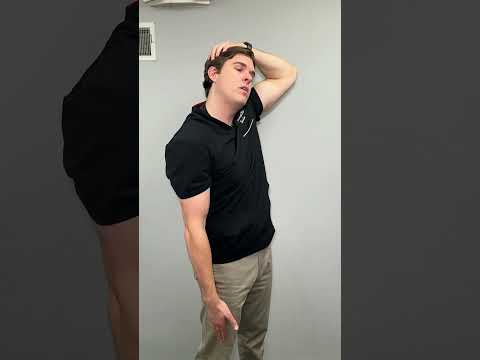
- Neck Stretches: Gently tilt your head to one side and hold it for about 15 seconds. Switch sides and repeat.
- Rolling the Shoulders: Roll your shoulders forward and then backward in circles. It’s kinda like dancing but way less cool!
I remember a time when I was stuck at my computer for hours, totally forgetting to take breaks. My trapezius was screaming at me! I tried some of these stretches, and wow—it made such a difference. I mean, stretching during work? Game changer!
Don’t forget to breathe while you’re doing these movements; it really helps with relaxation. And listen to your body! If something hurts too much, stop right away.
After doing these exercises regularly, you might find some comfort returning to those stiff muscles. But remember: this info is just here to help you learn about ways you can feel better; if you’re dealing with serious pain or issues, definitely chat with a healthcare professional.
So next time that trapezius starts acting up on you, give these exercises a try! Your shoulders will thank you!
Understanding Chronic Trapezius Pain: Causes, Symptoms, and Effective Relief Strategies
Chronic trapezius pain can be quite the pain in the neck, literally! This area of your back and neck, right at the upper trapezius muscle, often takes a beating due to stress, poor posture, or even just sitting at your desk all day. So, let’s dive into what this is all about.
What Causes Chronic Trapezius Pain?
There are a few culprits behind that nagging ache. You might be looking at:
- Poor posture while sitting or standing.
- Stress and anxiety that cause you to tense up.
- Repetitive movements or overuse from certain activities.
- An injury or strain from lifting something heavy.
You know how sometimes when you’re super stressed, you kind of hunch over? I remember pulling an all-nighter for an exam and waking up with a tightness I couldn’t shake off for days. Not fun!
Symptoms of Trapezius Pain
So how do you know it’s your trapezius giving you grief? Symptoms can include:
- A dull ache in your upper back or neck.
- Tightness that doesn’t go away with stretching.
- Pain that may radiate to your shoulders or head.
If you find yourself wincing every time you turn your head or reaching for ibuprofen more often than not, it might be time to pay attention.
Relief Strategies
Alright, let’s talk about soothing that pain. You’ve got options:
- Warm Compress: Applying heat can help ease those tight muscles.
- Gentle Stretching: Simple neck rolls and shoulder shrugs might do wonders.
- Meditation & Relaxation Techniques: Reducing stress could be key here!
And hey, while these tips are helpful, they aren’t replacements for what a healthcare professional could recommend. Always consider chatting with someone who knows best if things get too rough.
The thing is, chronic trapezius pain affects so many people. But recognizing the signs and knowing some simple strategies can help you tackle it before it turns into something bigger. Just remember to listen to your body and give it some love when it needs it!
Understanding Trapezius Nerve Damage: Key Symptoms to Recognize
Hey there! So, let’s chat about something that can really mess with your groove: trapezius nerve damage. The trapezius is that big muscle in your upper back and neck, and it’s crucial for so many movements. Sometimes, though, it can get hurt or affected by nerve damage. This can lead to some pretty uncomfortable symptoms.
The first thing you might notice is pain or tenderness in your upper back or neck area. This isn’t your usual soreness after a tough workout; it can feel sharp or achy. I remember a buddy of mine who had this issue and said it felt like a weight was pressing down on his shoulders all the time. Not fun!
Another sign could be muscle weakness. If you’re finding it hard to lift things or even just shrug your shoulders, that could be a red flag. You might feel like you’re carrying around extra baggage—emotionally and physically! Remember, feeling weak doesn’t mean you are weak; it’s just a signal from your body saying something isn’t right.
You may also experience tingling or numbness. It sounds weird, but sometimes when nerves are damaged, they send funky signals to the brain. My aunt once told me about this weird tingling sensation she had in her shoulder when she was stressed out. It can happen for various reasons—nerves can be finicky like that!
If you notice any of these symptoms, it’s super important to talk with someone who knows their stuff—like a healthcare professional. Sometimes these issues come from activities we do every day without thinking twice about them (hello, working from home with bad posture!).
- Pain or tenderness: A sharp ache in the upper back/neck.
- Muscle weakness: Difficulty lifting objects or shrugging shoulders.
- Tingling or numbness: Odd sensations that might come and go.
The takeaway? Pay attention to what your body is telling you! These symptoms are not just annoying; they could indicate something more serious going on with your trapezius nerve health.
So try to keep an eye on how you’re feeling day-to-day and don’t hesitate to reach out for help if things start feeling off. Your health is worth it!
So, let’s chat about trapezius muscle pain. You know, that tightness in your upper back that feels like a knot you just can’t untie? I remember this one time when I went to pick up my niece, and oh boy, did I feel it right there! It was like someone was squeezing my shoulders tightly. Super painful!
Now, the trapezius muscle is that big one stretching from your neck down to the middle of your back and all the way across to your shoulder blades. So when it gets tense or sore—maybe from stress or slouching at your desk—it can seriously mess with your day.
But hey, there are some modern ways to address this discomfort! A lot of folks are turning to things like foam rollers or massage guns—those gadgets that vibrate and go deep into those tense spots. It’s honestly surprising how good it feels to just roll around a bit on a foam roller! Feels kind of like giving yourself a little hug from the inside out.
Then there’s heat therapy. Whether it’s a warm shower or one of those fancy heating pads, heat can really work wonders on tight muscles. It’s like telling them, “Hey guys, relax a little.”
And don’t forget stretching! It sounds so simple but doing some gentle neck rolls or shoulder shrugs can help ease that tension. Sometimes when I stretch after sitting for too long, it’s like giving my muscles permission to breathe again.
But let me be clear: if you’re dealing with persistent pain or something feels off beyond your typical soreness, it might be smart to check in with a pro about it. You know? Just to be safe.
Anyway, trapezius pain is something many people deal with nowadays. But luckily there are some cool ways to help soothe it and get back into feeling good again—because who doesn’t want to enjoy life without that nagging ache hanging around?
