

Hey there! Have you ever stopped to think about how far we’ve come in the fight against AIDS? It’s pretty amazing!
I mean, just a few decades ago, this virus felt like a death sentence. But now? We’ve got some seriously cool technology on our side.
Let’s chat about innovative solutions that are changing the game in AIDS treatment. Think of everything from cutting-edge therapies to new testing methods. It’s like science is pulling out all the stops!
So, sit back and let’s dive into how these advancements are helping so many people live healthier, happier lives. You won’t want to miss this!
Exploring the Most Effective Treatments for AIDS: Current Approaches and Innovations
Hey there! So, let’s chat about AIDS and the cool ways it’s being treated today. First off, it’s important to know that AIDS is caused by HIV, which messes with your immune system. This means your body has a tough time fighting off infections. But guess what? There are some really effective treatments out there!
Antiretroviral Therapy (ART) is like the superstar of AIDS treatments right now. It doesn’t cure HIV, but it helps keep the virus under control. People on ART can actually live long and healthy lives! This therapy involves taking a combination of medicines that work together to lower the viral load in your body—pretty awesome, right?
Another exciting development is pre-exposure prophylaxis (PrEP). Think of it as a safety net for people at high risk of getting HIV. If you take this medicine regularly, it can significantly reduce the chances of contracting HIV during unprotected sex or sharing needles.
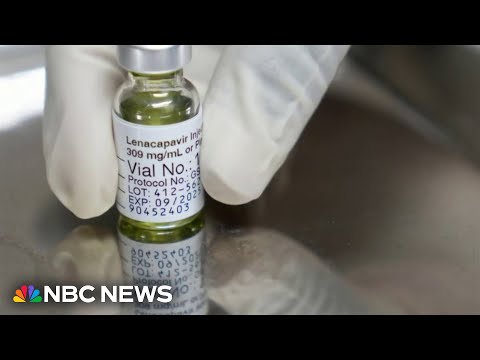
Let’s not forget about how technology is stepping in! New approaches include things like long-acting injectable medications. Instead of taking pills daily, some folks can get injections every few months that help keep the virus at bay. This is huge for many people who might forget to take their daily meds or just want one less thing to think about.
And hey, research keeps pushing forward! Scientists are looking into gene editing and other innovative methods that could one day lead us closer to a cure. Can you imagine a world where AIDS isn’t something we have to worry about? That would be amazing!
But remember: all this info doesn’t replace talking to healthcare professionals. If you or someone you care about has questions or concerns about HIV/AIDS treatments, reaching out to someone who knows their stuff is always the best move.
Anyway, staying informed on these topics can empower us and those around us. So let’s keep chatting and sharing knowledge because every little bit helps!
Exploring Effective Solutions to the AIDS Epidemic: Strategies for Prevention and Care
Hey there! Let’s chat about something super important: the AIDS epidemic. You know, it’s a big deal and affects millions of lives around the world. So, what are some smart ways to tackle it? Let’s break it down.
First off, prevention is key. That means education and awareness. When people know how HIV spreads, they can take steps to protect themselves. Here are some ways that can help:
- Safe sex practices: Using condoms is a reliable way to reduce the risk of transmission.
- Pep and Prep: These are medications that can help prevent HIV infection for those at high risk.
- Getting tested: Knowing your status and that of your partners makes a huge difference.
The thing is, stigma around HIV/AIDS still exists. So someone might feel scared or embarrassed to get tested or talk about their status. That’s why we need to create an environment where people feel comfortable seeking help.
Now, let’s talk about care. If someone tests positive for HIV, getting into care early is super important. Antiretroviral therapy (ART) helps manage the virus and allows people to lead healthy lives. Here’s what you should know:
- Regular check-ups: Staying in touch with healthcare providers keeps everything on track.
- Mental health support: Living with HIV can be tough emotionally, so counseling can be beneficial!
- Coping strategies: Finding groups or communities where folks share similar experiences helps combat loneliness.
I remember a friend who was diagnosed years ago; at first, it felt overwhelming for him. He didn’t know anyone else living with HIV and felt isolated. But once he joined a support group, everything changed! He found friends who understood him, which made dealing with his diagnosis so much easier.
The road ahead isn’t without bumps—so don’t forget new tech has been coming up too! Researchers are always working on improving treatments and prevention methods that fit better into everyday life. It can be as simple as using apps for medication reminders or telehealth visits instead of always going into a clinic.
The bottom line? While we still have challenges in our way regarding AIDS prevention and care, each step counts! By raising awareness and supporting one another, we move closer to addressing this epidemic together. And remember—always consult healthcare professionals when seeking advice!
Breakthrough Discovery: Scientists Announce First Effective HIV Cure
Did you hear the news? It’s kinda huge! Scientists recently announced a breakthrough discovery related to HIV treatment. This is like a big high-five for those who have been waiting for some good news in the world of medical science.
What’s going on? Well, researchers have managed to find an effective cure for HIV. You know how it’s been a long, tough road for people living with this virus? There’s finally hope that we might be able to change lives in a big way.
Here are some key points that explain this amazing find:
- This isn’t just another treatment. It’s actually considered a cure! Meaning, people could potentially live without needing lifelong treatments.
- The research involved innovative technology. Scientists used new approaches that target the virus more effectively than before.
- Clinical trials are underway. This means they are testing it on people to see how well it works and if it’s safe.
But hold up! We need to remember that while this discovery is exciting, it doesn’t mean everyone with HIV is cured just yet. More research is needed before we pop all the champagne bottles!
Just imagine how life could change for those affected. I remember talking to a friend whose family has been impacted by HIV for years. The uncertainty and fear they faced was heartbreaking. Hearing about this breakthrough, even if it’s still in trials, brought a little sparkle of hope into their story.
So, let’s keep our fingers crossed and stay tuned because this could really be the start of something incredible! But always remember: any questions or concerns about your health should be directed to healthcare professionals. They’re the ones who can provide real guidance tailored just for you!
Breakthroughs in HIV Cure Research: What to Expect by 2025
Hey there! So, let’s chat a bit about the exciting stuff happening in HIV cure research. It’s like a rollercoaster of hope, and by 2025, we might see some remarkable changes! Here’s what’s buzzing in the field:
Understanding HIV
First off, it’s key to know that HIV is a virus that attacks the immune system. If not controlled, it can lead to AIDS, which is pretty scary stuff. But guess what? Scientists are working hard to change this narrative.
What We’re Seeing
Research has come a long way. There are some breakthroughs that could potentially change everything for those living with HIV. Check out these points:
- Gene Editing: Techniques like CRISPR are being investigated to cut out the virus from infected cells.
- Therapies Targeting Reservoirs: The virus can hide in our bodies, so finding ways to flush it out is super important.
- Long-Lasting Medications: New drugs might mean fewer pills and more convenience for people managing their health.
- A Vaccine? Maybe! Researchers are really hopeful about developing an effective vaccine that could prevent HIV infection altogether.
I remember talking to a friend whose partner was living with HIV. They would constantly worry about treatment and what the future held. Hearing about these advancements just filled me with hope for them!
The Road Ahead
So, while we’re not at the finish line yet, there’s so much promise in these developments by 2025. With solid funding and commitment from scientists around the world, we could see major changes in how we handle this virus.
But here’s the thing—these breakthroughs don’t replace medical advice or treatment plans you may already have. Always check in with healthcare professionals about your health needs.
And hey, let’s keep our fingers crossed for these amazing advancements! Who knows what incredible things await us down the line?
So, let’s chat about AIDS treatment for a minute. It’s no secret that HIV/AIDS has been a massive challenge for the world, and while we’ve made some steps forward, there are still hurdles to jump over. It’s kind of like running a marathon and hitting that wall at mile 20—you just want to push through, but it can be tough.
Recently, I came across some incredible stories of how technology is really stepping up its game in this area. Like this one time I read about a group working on an app that helps patients manage their medications better. Can you imagine? Instead of worrying about whether you took your pills or keeping track of refills, you just get alerts right on your phone! It’s super handy, especially when life gets busy.
And then there are advances in medical research—like long-acting injectables that could make taking meds less of a hassle. Honestly, how cool would it be to just get an injection every few months instead of daily pills? That could change everything! People often say that the strongest part of tackling health issues is not only about the medicine itself but also about making it easier for folks to stick with their treatment plans.
It makes me think about how interconnected all these solutions are. You know? Like technology isn’t just improving treatments; it’s also breaking down stigma by making healthcare more accessible and personal. I mean, when patients feel empowered by the tools they have at their disposal—it can totally shift their experience.
But here’s the thing: as exciting as these developments are, we need to remember they don’t replace seeing healthcare professionals. So please don’t toss aside your doctor just because you found an app! Balancing tech with human touch is still important and can make all the difference in someone’s journey.
Anyway, before I ramble on too long—just know that innovative solutions like these give hope. They remind us that progress is possible and that tackling complex problems like AIDS can start with small steps that lead to big changes over time. The marathon isn’t over yet, but hey—we’re not running alone anymore!
