

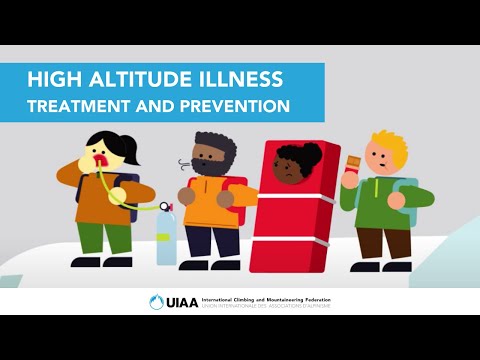
Hey there! So, let’s chat about altitude sickness, shall we? You know, that pesky thing that can hit when you’re up in the mountains or flying high in the sky.
It can make you feel woozy, nauseous, or just plain yucky. No one wants that when they’re trying to enjoy a stunning view from above or hike a gorgeous trail.
But guess what? There are some seriously cool high-tech treatments out there that might help ease those symptoms. Yep, we’re talking about solutions that sound straight out of a sci-fi movie!
Stick around as we dive into what’s out there to tackle altitude sickness and keep your adventures fun and exciting. Because really, who wants to miss out on those epic moments? Let’s go!
Understanding Hospital Treatments for Altitude Sickness: Effective Strategies and Care Approaches
Altitude sickness can hit you like a brick wall. Imagine hiking up to a beautiful mountain vista, feeling pumped and ready, and then suddenly you’re dizzy and breathless. Yep, altitude sickness can really spoil the fun. So, what happens if you end up at the hospital because of it? Let’s break it down.
First off, when someone shows up with altitude sickness symptoms—like headache, nausea, or trouble breathing—medical staff are going to assess how bad things are. They do this through a few quick tests, checking your oxygen levels and even doing some blood work if needed.
Once they have the scoop on your situation, they might try a few strategies to help you feel better:
- Oxygen Therapy: If your oxygen levels are low, they might hook you up to some supplemental oxygen. It’s like giving your body a little boost!
- Hydration: Dehydration is often involved in altitude sickness, so keeping fluids flowing is key.
- Medications: Sometimes doctors use medications like acetazolamide (that’s a mouthful!) to speed up acclimatization or provide pain relief.
- Descent: The reality is that if things get serious enough, they might suggest heading back down to lower altitudes—that’s where relief usually lies!
Now here’s something important: while these treatments can help manage symptoms effectively in a hospital setup, they’re not substitutes for proper acclimatization before trekking into higher elevations. You know how they say “prevention is better than cure”? That totally applies here!
So remember: if you’re planning on hitting those lofty heights and start feeling off after climbing for too long or too fast—don’t hesitate to seek help from professionals. They’ve got the tools and know-how to get you sorted out again!
And just one more thing—talking about this reminds me of my buddy who went skiing last winter. He thought he was invincible until he nearly passed out on the slopes! Luckily he got checked out right away and was back to his fun self soon after.
Stay safe out there!
Understanding the 3 Stages of Altitude Sickness: Symptoms and Prevention
Altitude sickness, also known as acute mountain sickness (AMS), can really throw a wrench in your plans when you’re heading to higher elevations. It’s caused by not getting enough oxygen in the thin air up there. Basically, when you go too high too fast, your body struggles to adjust. So, let’s break down the three stages and figure out what to look out for.
Stage 1: Mild Symptoms
At this stage, you might just feel a bit off. Think headaches, dizziness, or some fatigue. You know that feeling of being super tired after a long day? Now imagine that combined with a slight headache and maybe some trouble sleeping. Yeah, no fun!
Stage 2: Moderate Symptoms
If you push it further without giving your body time to adjust, things can get a little worse. This is where you could start feeling more nauseous or have trouble walking straight. It’s like being tipsy without the fun of having drinks! You might also notice shortness of breath during simple tasks.
Stage 3: Severe Symptoms
This is the stage where things can get serious—like really serious. You could experience confusion, severe headaches, or even swelling in parts of your body like hands and feet. Your breathing might get much harder too. If you hit this level, it’s crucial to descend immediately because this isn’t just annoying—it’s dangerous!
So how do you prevent all this from happening? Here are some ideas:
- Aim for gradual ascent: Try to take your time when climbing mountains or going up high places.
- Stay hydrated: Water is your friend! Drinking plenty helps your body adjust.
- Know your limits: If you’re feeling off, don’t push it; give yourself time to acclimatize.
- Avoid alcohol: I know, it’s tempting after reaching the top! But cutting back helps reduce symptoms.
Remember though—if you’re planning on heading up high, keep these points in mind but always check with someone who knows their stuff about health and altitude conditions. It’s all about enjoying the views without the headaches!
Effective Strategies to Prevent Altitude Sickness: A Comprehensive Guide
Hey there! If you’ve ever felt a bit woozy or had a headache after heading up into the mountains, you might have experienced altitude sickness. It can feel pretty crummy, but there are some good ways to help prevent it. Let’s dive in!
First off, **what is altitude sickness?** Well, when you climb high up, the air gets thinner. This means there’s less oxygen for your body to grab onto. Some folks might start feeling symptoms like headaches, nausea, or fatigue. Not fun at all!
Now, let’s chat about some effective strategies to keep altitude sickness at bay:
- Ascend Gradually: Take your time getting to higher altitudes. If you can, spend a night or two at a lower elevation before going up. Your body will appreciate it!
- Stay Hydrated: Drink plenty of water! Dehydration can make symptoms worse. So keep that water bottle handy and sip often.
- Avoid Alcohol: As tempting as it might be to celebrate reaching a peak with a drink, alcohol can dehydrate you and mess with your body’s ability to acclimatize.
- Eat Carbs: Munching on carbs helps boost your energy levels and can be easier for your body to digest at high altitudes.
- Rest Up: Listen to your body! If you’re feeling out of sorts, take a break and let yourself adjust.
- Caffeine Caution: Though coffee can perk you up, too much caffeine can also lead to dehydration—so enjoy in moderation!
And hey, if I think back on my own trek through the Rockies last summer—let me tell ya—it was breathtaking! But I made sure I followed these steps. Sure enough, I avoided the dreaded headache that some of my friends got.
Remember though: these tips don’t replace professional healthcare advice! If you’re planning any high-altitude adventures or have questions about how your body might react going up there, it’s always smart to chat with a healthcare professional first.
So gear up, enjoy those views from above the clouds, and take care of yourself while you’re at it!
Effective Medications for Altitude Sickness Prevention: A Comprehensive Guide
Alright, so let’s chat about altitude sickness. You know, that funny feeling you get when you’re climbing high mountains or even just hanging out in places like Denver? It happens because the higher you go, the thinner the air gets. Less oxygen means your body has to work harder to breathe, and sometimes it doesn’t quite catch up.
Now, some peeps might experience symptoms like headaches, nausea, or dizziness. Seriously, it can be a real bummer when you’re trying to enjoy the great outdoors! So here’s where medications come in—those little helpers that might make things easier in those high-altitude adventures.
**Here are some medications that people often talk about for altitude sickness prevention:**
- Acetazolamide: This is probably the most popular one. It’s a carbonic anhydrase inhibitor (fancy term, right?). Basically, it helps your body adjust to lower oxygen levels faster by speeding up how you breathe.
- Dexamethasone: Think of this as a powerful anti-inflammatory medicine. It can help with swelling and pressure in your brain—that’s often what causes headaches and other symptoms of altitude sickness.
- Nifedipine: This one’s a bit different; it helps lower blood pressure. That can prevent some complications related to altitude sickness and help your body cope better.
I remember my buddy Jake went hiking in Colorado last summer. He didn’t think he needed anything for altitude sickness because he was fit and active. But once he got above 10,000 feet, he felt awful—nauseous and dizzy! A few days later with acetazolamide in his system? He was back on his feet, ready for more mountain fun!
Oh! Also keep in mind these medications don’t replace professional healthcare advice. It’s always smart to check with a healthcare provider before heading up into the clouds with any meds.
So if you’re planning your next big adventure at high altitudes? Just think about how helpful these little guys can be for keeping rough feelings at bay! Enjoy those views up there without letting altitude sickness rain on your parade!
So, let’s talk about altitude sickness for a minute. You know, that feeling when your body just can’t keep up with the thin air at high elevations? It’s like your lungs are saying “Hey, what’s going on? Where’s all the oxygen?” I mean, who hasn’t experienced that dizzy, nauseous feeling after hiking up a mountain or landing in a city that’s way up there like Denver?
I remember this one time I decided to hike in the Rockies. Everything started off great—I was excited, and my friends were pumped too. But as we climbed higher, I felt that familiar tightness in my chest and an uninvited headache creeping in. It was kinda frustrating because I wanted to enjoy the view, but all I could think about was how I felt like a fish out of water!
Now here’s where the high-tech solutions come into play. There’s something kind of fascinating about how science is stepping in to help those who love adventure but struggle with altitude sickness. Have you heard of portable oxygen concentrators? They’re like little magic boxes that can take air and filter it down to give you pure oxygen. It seems pretty wild, but it makes sense—if you’re short on oxygen, why not carry your own?
Then there are apps designed to monitor your symptoms and even suggest when you should descend or take breaks based on real-time data. Imagine climbing a mountain and having an app tell you exactly when you need to chill out or hydrate! It’s like having a personal assistant who knows what you’re going through.
Of course, it’s important to remember that these tech solutions don’t replace good ol’ common sense (or checking with healthcare pros if you’re serious about high-altitude adventures). Still, they can be reassuring tools for those who feel nervous about hitting higher ground.
So yeah, altitude sickness can throw quite the wrench into your plans—but thankfully there are more ways than ever to tackle it with some cool tech! And while I’m certainly not saying it’s a substitute for listening to your body or taking it easy sometimes—these innovations definitely add an exciting layer to outdoor adventures!
