

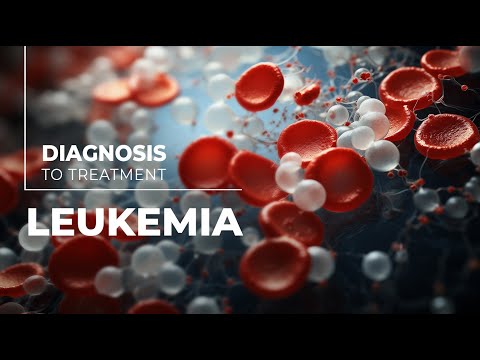
Hey there! So, let’s chat about something that can sound super scary but is important: leukemia. You might have heard about it before, but what is it exactly?
Leukemia isn’t just one thing. There are different types, each with its own quirks. Basically, it’s a kind of cancer that affects your blood and bone marrow. Yeah, that means it can mess with how your body fights off sickness.
When I first learned about leukemia, I had a friend who was going through treatment. It was tough to see them struggle. But their strength? It was inspiring.
Anyway, in this little dive into the world of leukemia, we’ll break down what you need to know about the different types and how they impact people’s lives. Ready? Let’s go!
The Key Indicator of Leukemia: Understanding the Most Significant Signs and Symptoms
Hey there! So, today let’s chat about leukemia. You’ve probably heard the word tossed around, but what does it really mean? Leukemia is a type of cancer that affects your blood and bone marrow. It’s all about those pesky white blood cells – the ones that usually fight off infections. Sometimes, they go a bit haywire and start multiplying like crazy. But how do you know if something’s off? Let’s dive into some signs and symptoms to keep an eye on.
First up, **fatigue**. If you’re feeling more tired than usual, and it doesn’t seem to go away with rest, it might be a flag. It’s like that one time I stayed up too late binge-watching my favorite show — only this tiredness doesn’t fade after a good night’s sleep.
Then there’s **easy bruising or bleeding**. Have you ever noticed random bruises popping up without any clear reason? Or maybe you’re bleeding more than normal from tiny cuts? That’s something to consider! Your body usually repairs itself pretty well; if it’s struggling, that’s worth mentioning to someone who can help.
Also, keep an eye out for **frequent infections**. If you find yourself catching colds or bugs more often than usual, that could signal trouble since your immune system might not be working right.
Now let’s not forget about **weight loss**—and I’m talking about losing weight when you’re not even trying! That can feel super confusing sometimes, especially if you’re munching on snacks regularly like I do!
And speaking of snacks, watch for **night sweats** or feverish feelings at odd times. You know those nights when you’re tossing and turning because your sheets are drenched? Not fun at all!
Lastly, there could be signs of **swollen lymph nodes**—those little bean-shaped structures in your body that help fight infection. If they’re swollen in areas like your neck or underarms but aren’t going down after a while, it can be a cause for concern.
So just remember: if you notice any of these things hanging around longer than you’d like or seem unusually intense, it’s always good to chat with someone who knows what they’re talking about — like a healthcare professional!
Keep in mind, this info is not meant to replace professional care — just some food for thought to share with the doc if something feels off. Always better safe than sorry! Take care of yourselves out there!
Understanding Incurable Leukemia: Types and Insights
Alright, let’s talk about leukemia in a way that makes it easier to grasp. It can be a bit of a complex subject, but I’ll break it down for you.
Leukemia is a type of cancer that affects the blood and bone marrow. What happens is that your body starts producing too many abnormal white blood cells. These cells don’t function properly, making it tougher for your body to fight infections. Sounds pretty serious, right? Well, there’s more.
Now, not all leukemias are the same. They’re divided into two main groups: acute and chronic. Acute leukemia comes on fast and needs immediate attention. Chronic leukemia can develop more slowly over time. Here are some specifics:
- Acute Lymphoblastic Leukemia (ALL): This type often shows up in kids but can affect adults too. It involves the lymphoid cells.
- Acute Myeloid Leukemia (AML): This one usually affects adults and can develop after exposure to certain chemicals or treatments.
- Chronic Lymphocytic Leukemia (CLL): This is more common in older folks and slowly progresses without symptoms at first.
- Chronic Myeloid Leukemia (CML): CML mainly hits adults and is linked to a genetic change in the blood cells.
It’s super important to recognize the signs of leukemia early on, even if they are often vague at first—like fatigue, frequent infections, or weight loss. A friend of mine went through this; she felt tired all the time but just thought she was stressing from work! When she finally saw a doctor after some nudging from me, they discovered it was leukemia.
So yeah, understanding leukemia can feel overwhelming because there’s so much info out there! Just remember that these different types affect people differently; some might have more manageable experiences than others.
Always chat with a healthcare provider if you have questions or concerns about any symptoms you might be noticing—this isn’t something to figure out alone! And hey, knowledge is power; staying informed can really help when facing these tough situations.
In the end, while this topic isn’t easy on anyone’s heart or mind, knowing what you’re dealing with makes it feel just a little less daunting—don’t you think?
Understanding the Epidemiology of Leukaemia: Trends, Risk Factors, and Global Impact
So, let’s dive into the world of leukemia. It’s one of those words that can sound pretty scary, right? But, understanding what it is can really help make it less daunting. Leukemia is basically a type of cancer that affects your blood and bone marrow. It happens when your body makes too many abnormal white blood cells.
Now, when we talk about the epidemiology of leukemia, we’re looking at how often it occurs and who gets affected. And guess what? There are different types! The most common ones include:
- Acute Lymphoblastic Leukemia (ALL)
- Acute Myeloid Leukemia (AML)
- Chronic Lymphocytic Leukemia (CLL)
- Chronic Myeloid Leukemia (CML)
The trends in leukemia cases have shifted quite a bit over the years. For instance, children are more likely to develop ALL, while adults often face AML or CLL. Isn’t that interesting? It’s like age plays a role in who might get what!
When we chat about risk factors—those things that might make someone more likely to develop leukemia—we find quite a mix. Some key ones include:
- Certain genetic conditions, like Down syndrome.
- Exposure to radiation, think nuclear accidents or radiation therapy.
- Chemical exposure, especially from benzene, which you can find in some industrial jobs.
- A family history of leukemia or other blood cancers.
The global impact of leukemia is significant too! Every year, hundreds of thousands of people are diagnosed around the world. It’s not just a localized issue; it touches lives everywhere—from bustling cities to quiet villages.
You know what really strikes me? Hearing stories from families impacted by this condition reveals how vital awareness and research are. It’s not just about numbers; it’s about people living with this every day!
If you remember anything from this little chat, let it be that while leukemia may seem overwhelming, knowledge and understanding go a long way in making sense of its complexities. And hey, always consult your healthcare professional for tailored insights if you have questions—it makes sense to get expert advice!
Unveiling AML Hierarchies through Single-Cell RNA Sequencing: Insights into Disease Progression and Immune Response
So, let’s talk about something kinda complex but super interesting: leukemia, specifically acute myeloid leukemia (AML), and how scientists are using single-cell RNA sequencing to get a better grip on it. Don’t worry! I’m here to break it down for you, plain and simple.
When we say acute myeloid leukemia (AML), we’re talking about a type of cancer that affects your blood and bone marrow. It happens when your body makes too many immature blood cells. These young cells can’t do their job properly, which messes with your immune system big time.
Now, what does this have to do with single-cell RNA sequencing? Well, it’s like having a superpower! This cool tech allows scientists to look closely at individual cells instead of just a bunch of them all mixed together, you know? It helps them understand how AML progresses and how the immune system responds to it.
Here are some key things to know:
I remember reading about a family who was dealing with AML. They were confused and scared, but once doctors started using new tech like single-cell RNA sequencing, they got clearer insights into their loved one’s condition. It really made them feel more in control amidst the chaos.
So, while this scientific stuff might sound heavy, it plays an essential role in understanding serious diseases like AML. Just keep in mind that this info is no substitute for professional healthcare advice—always talk to your doctor if you have health questions!
Alright, let’s chat about leukemia for a moment. I mean, it sounds super serious and, honestly, it can be. But taking a closer look at it really helps us understand what’s going on with this blood cancer.
So, here’s the thing: leukemia isn’t just one type. There are actually several different kinds of them. The main players in this game are acute and chronic leukemias, which can further split into lymphoblastic and myeloid types. It might sound confusing at first, but hang in there!
Now, let me share something personal. A few years back, my dear friend Sarah was diagnosed with leukemia. It was like a punch to the gut for all of us who loved her. She had acute lymphoblastic leukemia (ALL), which is more common in kids but can happen to adults too. Watching her go through treatment—the ups and downs—made me realize just how much these different types affect lives.
Acute leukemia is like a race; it comes on fast and needs immediate attention. It’s intense and often scary when you think about how quickly things can turn around. On the other hand, chronic leukemia creeps in more slowly; it might not even show symptoms for quite some time. That means you could be living your life while this sneaky thing is working behind the scenes.
When we talk about lymphoblastic versus myeloid leukemias, it’s kind of like comparing apples and oranges—both fruit but really different in taste (and function!). Lymphoblastic leukemias affect white blood cells that help fight infections. Myeloid ones come from cells that produce various blood components like red blood cells and platelets.
The way I see it is that having more knowledge about these different types can make things feel a little less heavy. Instead of being lost in medical jargon or the fear that often surrounds cancer talk, understanding what’s known helps us support not just friends like Sarah but also ourselves if ever faced with such challenges.
But remember, no blog chat can replace actual medical expertise or support from professionals who know their stuff inside out! It’s always good to stay curious but also to seek real help when needed—so if any of this resonates or raises questions for you or someone you know, never hesitate to reach out!
