

Hey, have you ever heard about melanoma? It’s that sneaky type of skin cancer that can really catch you off guard. I mean, one minute you’re soaking up the sun and the next—bam!—you’ve got to deal with all these variants and what they mean.
So, here’s the thing. Melanoma isn’t just one thing. There’s a bunch of different kinds. Each has its own little quirks. Some are more common while others can be pretty rare. And figuring them out can feel like diving into a maze.
But don’t worry! We’re gonna break it all down together—real talk style. So, grab a drink, get comfy, and let’s chat about these melanoma variants!
Understanding the Causes: What Accounts for 90% of Melanoma Cancer Cases?
Melanoma is one of those terms that gets tossed around a lot, right? It’s a serious type of skin cancer that can be pretty scary. So, let’s break down what really accounts for most cases—like, what’s behind that staggering **90%** figure?
First off, **sun exposure** is your number one culprit. When you hang out in the sun without protection, you’re soaking up ultraviolet (UV) rays. These rays can damage your skin cells and lead to mutations. Think about it: Ever gotten a bad sunburn? That’s your skin telling you to chill out with the sunbathing.
Then there’s tanning beds. Oh man, they seem fun when you’re just trying to get a glow, but they also blast those harmful UV rays directly onto your skin. Research shows using tanning beds can increase your risk of melanoma significantly—like underlining a big mistake in red!
And let’s not forget about genetics! If someone in your family has had melanoma or even just atypical moles (those funky-looking ones), then you might have a higher risk. It’s like inheriting someone else’s bad taste in music but on another level, right?
Also, people with fair skin or light-colored eyes are at greater risk too. This might make you think twice when it comes to skipping sunscreen or spending too much time outdoors without protection.
Here’s a quick recap:
- Sun exposure: Direct sunlight can damage skin cells over time.
- Tanning beds: These artificial sources of UV rays pose similar risks.
- Genetics: Family history plays a huge role.
- Skin type: Fair-skinned folks need extra caution.
So next time you’re out soaking up some rays or thinking about that tanning bed visit, remember these factors. Understanding what plays into the development of melanoma is super important because it helps us take care of ourselves better! Stay safe out there and keep an eye on those moles! Seriously though—your health always comes first!
Understanding the 5 C’s of Melanoma: Key Insights for Prevention and Awareness
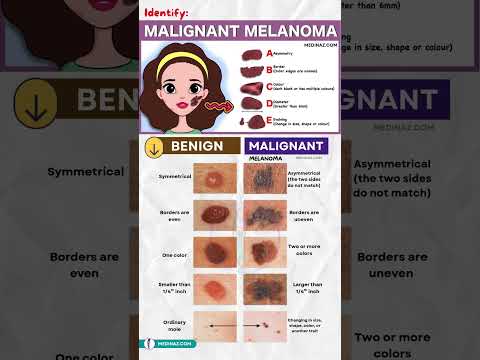
Melanoma is a type of skin cancer that can be pretty serious. Understanding how to spot it early is super important. That’s where the 5 C’s come in handy. So let’s break them down, yeah?
1. Color: Melanomas often have uneven colors, like brown, black, tan, or even red and blue areas mixed in. If you notice a mole or spot that isn’t a solid color, keep an eye on it.
2. Change: This one’s big! If you see any changes in size or shape of a mole, that could be a red flag. Moles should be pretty stable over time.
3. Diameter: Usually, if a mole is larger than about 6mm (that’s roughly the size of a pencil eraser), you might wanna check in with someone who knows their stuff about skin health.
4. Elevation: Look for moles that are raised or uneven on the surface. If it feels like it’s changing shapes and not in a good way—time to pay attention!
5. Evolving: This means keeping an eye out for any changes over time—like new spots appearing or existing ones growing bigger.
Oh, and you know what? I once had this friend who thought he was invincible and didn’t bother checking his moles regularly. One day he noticed something off and decided to get it checked out—turns out he caught it early! Seriously made me rethink how often I check my own skin.
So remember: these C’s are just ways to stay aware and proactive about your skin health. Keeping tabs might just save your life one day—but always chat with your healthcare provider for the real scoop!
Understanding the 4 Subtypes of Melanoma: A Comprehensive Guide
Melanoma is a type of skin cancer that can be pretty serious, but understanding it doesn’t have to be scary! There are actually four main subtypes of melanoma, and knowing about these can help you understand the bigger picture. So, let’s break it down!
1. Superficial Spreading Melanoma
This is the most common type. It tends to grow slowly and usually shows up on the surface of the skin as a flat or slightly raised spot. You might notice it has uneven borders and various colors, like brown, black, or even pink.
2. Nodular Melanoma
This one’s more aggressive and can pop up quickly. It often looks like a dark bump on the skin that’s firm to the touch. It typically doesn’t have the same irregular borders as other types which makes it tricky.
3. Lentigo Maligna Melanoma
Found mostly in older folks, this type usually starts as a large, flat patch on sun-damaged skin—think of it like a really big freckle! It grows slowly over time but can become invasive if not checked.
4. Acral Lentiginous Melanoma
This is less common and mainly appears on areas not often exposed to sunlight like palms, soles of feet, or under nails. It might look like a dark line or spot that doesn’t really change much at first.
Sometimes it’s just one little mark that leads you to wonder if something’s up with your skin. I remember when my friend found a weird-looking mole on her arm—it turned out fine but boy was she stressed! That just goes to show how important it is to pay attention to your body.
So remember, these four types each have their own characteristics and behaviors. If you notice something odd about your skin that doesn’t seem right—and especially if it changes over time—don’t hesitate to chat with a healthcare professional! You know what they say: better safe than sorry!
So, melanoma. It’s one of those words that can send chills down your spine, right? I mean, you hear it and instantly think about serious stuff. But did you know there are different types of melanoma? Yeah, that’s right! Melanoma cancer isn’t just one thing; it’s got variants, which makes the whole situation a bit more complicated.
Let me tell you a quick story. A close friend of mine was diagnosed with melanoma a few years back. At first, we were all just scared for her—nobody could think straight. Then, as she dug deeper into her diagnosis and started learning about the specific type she had, things began to shift. Suddenly, it wasn’t just this scary word anymore; it became something more manageable as she understood the differences between the variants and how they behaved differently.
Melanomas can pop up in several ways—like cutaneous melanoma that shows up on your skin or mucosal melanoma found in areas like your mouth or nose. Then there’s nodular melanoma known for its raised bumps—it has its own set of worries because it spreads super fast. Isn’t that wild? Just like our personalities, they have their quirks!
Each variant comes with its own challenges and treatment options too. And while this doesn’t replace any professional advice or care someone might need (that’s super important!), knowing what you’re dealing with is empowering! It’s like when you finally figure out how to tame that unruly pet of yours.
But here’s where things get a little tricky: not every treatment works for every variant! So often people think it’s one size fits all with cancer treatments—oh boy, how wrong is that? Discovering which variant you’re facing might lead to different paths—some can be treated with surgery while others may need immunotherapy or even targeted therapy.
Anyway, what do I want you to take away from this? Well, keeping informed about things like melanoma variants may seem daunting but it’s crucial for understanding what’s happening in your body or the body of someone close to you. And who knows? That knowledge might just lead to better outcomes.
So next time someone mentions melanoma, remember there’s way more than meets the eye! It’s not all doom and gloom; there’s hope through understanding those little secrets hiding within each variant. That connection? It can make a world of difference!
