

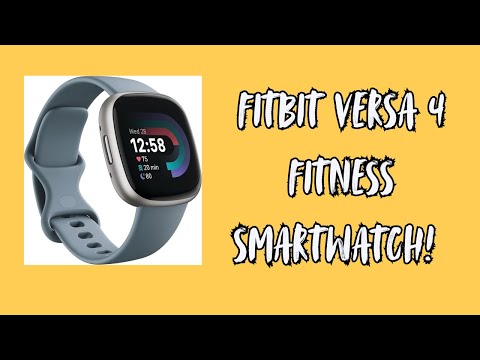
Hey there! So, have you ever thought about how technology is changing our lives? I mean, it’s like magic, right? Now, picture this: smart wearables for seniors. Yep, you heard that right!
These cool gadgets are not just for the tech-savvy kids anymore. They can help our beloved grandparents and parents stay connected and safe. Imagine a watch that tracks heart rate or a bracelet that detects falls. It’s pretty wild!
You know, it’s all about empowerment. Giving seniors the tools to live independently while keeping an eye on their health. This stuff can really make a difference in their daily lives.
Let’s dive into how these smart solutions can truly help our older loved ones rock their golden years—because they totally deserve it!
Top Smart Devices for Seniors: Enhancing Safety, Connectivity, and Convenience
Seniors today are embracing technology like never before. With smart devices, they can connect easier with loved ones, stay safe at home, and make daily life a whole lot more convenient. Sounds cool, right? Let’s dive into some of the top smart devices that are really making a difference for our elders.
Smart Wearables: These little gadgets are becoming super popular. Think of fitness trackers or smartwatches that monitor heart rate, steps, or even sleep patterns. They send reminders to stay active, which is great for health! Plus, some models have emergency features that alert someone if you fall. Imagine Grandma going for a walk and feeling safer because she’s got her trusty watch on.
Voice-Activated Assistants: Devices like Amazon Echo or Google Home can be real game-changers. Seniors can control lights, play music, or even ask about the weather just by talking! It’s like having a helpful friend around the house. And for those with mobility issues, this means they don’t always have to get up to turn things on.
Smart Home Security: Keeping an eye on their home is crucial for many seniors. Smart security cameras and doorbell cameras provide peace of mind without being intrusive. You know that feeling when you hear a noise outside and freak out? With these devices, they can just check their phone instead.
Medication Management: Forgetting whether or not to take meds can happen to anyone, right? There are smart pill dispensers now that remind users when it’s time to take their medication and even notify caregivers if something seems off. It’s like having a built-in assistant who keeps track of all those little bottles.
Health Monitoring Devices: Blood pressure monitors and glucose meters now come with Bluetooth capabilities that sync data to smartphones or tablets. This means health info can be easily shared with doctors! So instead of handwriting things in a notebook (which I know can get messy), everything is in one place digitally.
All these tech tools are designed to enhance safety, connectivity, and convenience. They help seniors feel independent while giving family members peace of mind too—what’s not to love? Of course, it’s super important to choose devices suited for individual needs; what works for one person may not work for another.
The thing is, technology doesn’t replace human connections but rather helps strengthen them by making life easier. So let’s keep cheering on our seniors as they embrace this digital age!
Understanding Insurance Coverage for Wearable Health Devices: What You Need to Know
Alright, let’s chat about insurance coverage for wearable health devices. You know those fancy smartwatches and fitness trackers? They can do a bunch! But you might be wondering if your insurance will help pay for one of ’em, right? Well, let’s break it down.
First off, not all wearables are created equal. Some devices track heart rate and steps, while others can monitor things like blood pressure or even alert you about falls. That’s pretty cool, right? Insurance coverage typically varies based on the type of device and what it can do.
When you’re thinking about getting one, here are a few things to keep in mind:
- Prescription Required: Some insurances need a doctor to prescribe the device. It’s like needing a note from your teacher to go on a field trip!
- Medically Necessary: If it helps with managing a condition—like diabetes or heart issues—your insurance might cover it.
- Plan Differences: Coverage depends on your specific plan. Check with your provider to see what they say.
- Payout Limits: Some plans may only cover part of the cost or have set limits on how much they’ll pay for tech.
I remember my grandma wanted one of those smartwatches because she thought it would help her remember to take her meds. She was so excited! We checked her insurance and found out it needed a prescription first. It was a bit of a hassle, but it paid off when we finally got her the right device that fit her needs.
It’s super important to do your homework before diving in! You don’t want to get stuck with an unexpected bill later on.
And hey, don’t forget: these devices can be fun and helpful but they aren’t substitutes for real healthcare. Always talk to your doctor about how they fit into your routine or if you have questions about their benefits.
So there you go! Just keep in mind what I mentioned above when considering insurance for wearable health technology. Happy tracking!
Top 3 Most Popular Wearable Devices in 2023: Features and Benefits
So, you’ve probably seen a ton of folks sporting some cool gadgets on their wrists lately, right? Well, wearable devices have really taken off. Especially in 2023! They’re not just trendy; they can genuinely help you keep tabs on your health and well-being. Let’s dive into the top three most popular ones this year that are really making waves, especially for seniors.
1. Apple Watch Series 8
First up is the Apple Watch Series 8. This little gem is like having a personal assistant right on your wrist! It tracks heart rate, sleep patterns, and even has an ECG feature to check your heart rhythm. That’s pretty neat for anyone wanting to stay on top of their health. Plus, it sends alerts if anything seems off—just imagine the peace of mind for you or your loved ones!
2. Fitbit Charge 5
Next is the Fitbit Charge 5. This one’s super popular with seniors because it’s super user-friendly and focuses on fitness tracking without being overwhelming. It monitors things like activity levels, heart rate, and stress based on skin temperature changes—cool, huh? You can even get reminders to move after sitting too long; sometimes we all need that push!
3. Garmin Venu Sq 2
Last but not least, we’ve got the Garmin Venu Sq 2. If you’re into outdoor activities or walking, this watch is fantastic. It comes with built-in GPS for those who like to wander outside without getting lost! Plus, it tracks energy levels so you can find out when you’re ready to take on the day or when it’s time to chill out a bit.
So there you have it! These wearables do more than just tell time; they act as smart companions that help us focus on our health in an engaging way. Remember though; while they’re super helpful tools, they don’t replace professional healthcare advice or check-ups. Make sense? Just enjoy what these clever little gadgets can bring to your life!
Understanding the Cost of Wearable Medical Devices: A Comprehensive Guide
Hey there! So, let’s chat about wearable medical devices. You know, those cool gadgets that help keep track of your health? They’re getting more popular, especially among seniors. But how much do they actually cost and are they worth it?
First off, the cost of these devices can really vary. You might find some basic fitness trackers for as low as $20. But if you’re looking for something more advanced, like an ECG monitor or a fall detection system, you could be shelling out several hundred bucks! It’s kind of like buying a smartphone; you can go for the basic model or get all the bells and whistles.
Now let’s talk about what affects these prices:
- Features: More features usually mean a higher price. A fancy smartwatch can track heart rate, sleep patterns, and even your mood!
- Brand: Some brands just have a premium attached to them. Think of it like choosing between a no-name cola and Coca-Cola.
- Durability: If you want something that lasts longer and works in water, be prepared to pay extra.
- Subscription costs: Some devices need you to pay monthly fees for extra services or data storage.
I remember my grandma getting a smartwatch last year. She was thrilled! It could remind her to take her meds and monitor her steps. But my uncle later told me he had to also pay for the app service every month… surprise!
The thing is, while these gadgets can be super handy—helping with everything from reminders to emergency alerts—they don’t replace professional healthcare advice. Always chat with your doctor if you’re thinking about getting one.
Also think about the benefits they bring compared to their cost. For seniors living alone, having a device that can alert someone in case of a fall is priceless! So weigh your options carefully.
If you’re exploring wearable tech for yourself or a loved one, just remember: it’s not just about the sticker price; it’s about what value it brings to daily life!
The bottom line? Wearable medical devices can empower seniors by keeping them connected and informed about their health—but make sure you’re ready for any extra costs before diving in!
You know, it’s kinda cool how technology has become this amazing tool to empower seniors. Seriously, think about it! Years ago, the thought of your grandparents rocking a smartwatch seemed a bit far-fetched. But now, here we are! These nifty gadgets can do so much to help our loved ones live healthier and more connected lives.
I remember visiting my grandma last summer. She was struggling to keep track of her medications and appointments, you know? One day, she pulled out this bright-colored smartwatch and said, “Look what I got!” I was amazed. She explained how it reminded her when to take her pills and even tracked her steps! It felt like I was looking at a whole new person—she was so proud and excited about it.
Smart wearables can offer a ton of benefits beyond just tracking fitness or managing health. They can alert caregivers in case of falls or emergencies, which is such a relief for families who worry when their loved ones are alone. Plus, they often come with features that connect directly to health apps or doctors’ offices. It’s like carrying a little piece of security everywhere you go!
And let’s talk about the social aspect too! Some wearables even allow seniors to connect with family through messages or video calls right from their wrist. Imagine grandma having video chats with all her grandkids without fumbling with devices! That kind of connection is priceless.
But honestly, there’s still some hesitance out there among seniors when it comes to using technology. Many feel overwhelmed by new changes or believe they won’t understand how stuff works. That’s where we come in; we can take the time to show them the ropes without being condescending or rushing them. A little patience goes a long way!
So yeah, embracing smart wearable tech could truly help our seniors feel more independent and secure while keeping them connected to all of us who love them dearly. It’s all about making life easier and brighter for those who’ve paved the way for us! I really hope more people recognize this potential—our older folks deserve every bit of support we can give them!
