

Hey there! So, let’s talk about something that might not come up in everyday convo: Wilms tumor. Sound familiar? Well, it’s a type of kidney cancer that mostly shows up in kids. Crazy, right?
What’s even crazier is how the world of treatment is changing. There are some really cool advances happening that are giving families hope—like, real hope! Imagine what it feels like to hear there are new options out there when you’re scared for your little one.
This isn’t just science talk; it’s about people and their lives. These innovative solutions are making waves and changing the game for kids with Wilms tumor. So, stick around! You’ll want to know more about what’s going on in this space.
Comprehensive Guide to Relapsed Wilms Tumor Treatment Options and Strategies
Hey there! So, let’s chat a bit about Wilms tumor. This is a type of kidney cancer that mostly strikes kids. It’s super important to be aware of and understand, especially when it comes to relapses. A relapsed Wilms tumor means that the cancer has come back after treatment. I mean, that can be scary for both kids and their families.
When a Wilms tumor doesn’t stay gone, doctors usually look at some treatment options. These can vary based on how much the cancer has spread and other health factors. Here are some common strategies:
- Surgery: Sometimes, if the tumor pops back up in one place, doctors might suggest another surgery to remove it.
- Chemotherapy: This means using medicine to kill cancer cells. It’s often given as a combination of drugs to be more effective.
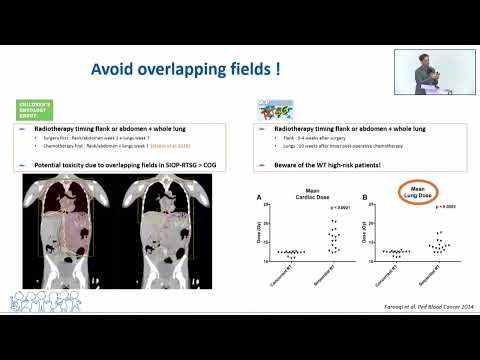
- Radiation therapy: This involves using high-energy rays to target and destroy cancer cells. It can be especially useful if surgery isn’t an option.
- Clinical trials: These experimental treatments are available for kids with relapsed Wilms tumors. Participating in trials might give access to new therapies that aren’t widely available yet.
A friend once told me about their child battling a relapsed Wilms tumor. The journey was tough, filled with lots of ups and downs—like riding a roller coaster! They found some comfort in support groups, where they met families who were going through similar struggles.
The thing is, each case is unique! What works for one kid might not work for another. That’s why it’s crucial to talk with healthcare professionals who understand these options inside out.
Don’t forget! No matter what treatment path you explore, staying informed makes all the difference. It’s like being your own advocate! And always keep looking for support around you; you don’t have to walk this path alone!
Understanding the Survival Rate for Stage 4 Wilms Tumor: Key Insights and Statistics
Okay, so let’s dive into something that might sound a bit heavy but is super important—understanding the survival rates for stage 4 Wilms tumor. It can feel overwhelming, especially if you or someone you know is facing this. But hey, knowing more about it can help put things in perspective!
What Is Stage 4 Wilms Tumor? This is the most advanced form of Wilms tumor, which is a type of kidney cancer commonly found in kids. When it reaches stage 4, it means the cancer has spread beyond the kidneys—maybe to the lungs or other parts of the body. Yeah, that’s scary stuff.
Now let’s talk numbers. Survival rates are often expressed as percentages, and they can give you a glimpse into how people fare with this diagnosis.
- General Survival Rate: The five-year survival rate for stage 4 Wilms tumor tends to hover around 40-50%. This means that about half of the kids diagnosed with this stage are likely to live at least five years after treatment.
- Treatment Impact: The type of treatment received and how well it works can make a big difference. Those who respond well to therapy often have better outcomes.
- Age Factor: Younger children usually do better than older ones, which is an interesting twist in the stats.
You might be wondering why there’s such a range in these survival figures. Well, there are lots of individual factors at play. Things like how early it was caught, where it’s spread to, and overall health really matter.
An example I want to share… A friend of mine had a child diagnosed with stage 4 Wilms tumor. The rollercoaster of emotions was intense! But through amazing medical care and support from friends and family, they saw some real improvements over time. That’s not always guaranteed, but hope plays an important part!
The truth is every case is unique—what works for one person might not work for another. That said, staying positive and seeking out knowledgeable healthcare professionals can make a world of difference! Remember though; this info doesn’t replace talking to your doctor or healthcare team.
In summary: Stage 4 Wilms tumor has its challenges with those survival rates hanging around 40-50%. But medical advances continue to improve treatments all the time! So many families are finding strength together—there’s power in community support and knowledge!
Understanding Wilms Tumor Complications: Key Risks and Management Strategies
Wilms tumor is a type of kidney cancer that usually affects children. It’s quite a tough situation for families and, honestly, pretty overwhelming. You might be curious about what complications can arise from Wilms tumor and how to manage them.
First off, one of the main complications is when the cancer spreads, or metastasizes. This means it can move to other parts of the body, like lungs or liver. If that happens, it can make treatment more difficult.
Then there’s the potential for kidney function issues. Since Wilms tumor often affects one kidney, there could be concerns about how well that kidney works after treatment. It’s super important to monitor kidney health during and after treatment.
Another consideration is treatment side effects, especially if surgery or chemotherapy are involved. These treatments aim to get rid of the tumor but can also lead to nausea, fatigue, and changes in appetite.
To manage these risks effectively:
- Regular check-ups: Keeping up with doctor visits helps catch any issues early.
- Diet and hydration: A balanced diet and staying hydrated support overall health.
- Pain management: Talk about any discomfort so that there are ways to ease it.
- Mental health support: Getting emotional support for both kids and parents is key in this tough journey.
It’s like when my friend went through something similar with her kiddo—she found solace in talking with other families dealing with Wilms tumor. Community support makes a huge difference!
Remember, while this info is informative, it doesn’t replace professional healthcare advice. Always keep in touch with your healthcare team for guidance tailored just for you.
You know, when you think about something like Wilms tumor, it can really hit home. A few years ago, I had a friend whose little brother was diagnosed with it. I still remember how tough those days were for their family. The fear, the uncertainty—it was overwhelming. But you know what? It was also so inspiring to see how far treatments have come.
Wilms tumor is a type of kidney cancer that mainly affects kids, usually under the age of five. Hearing about it in the news back then made me realize just how critical research and innovation are in medicine – and this is where it gets exciting! There’s actually been a ton of progress in how this cancer is treated over the years.
I mean, think about it: not too long ago, treatment options were pretty limited. Traditional methods often meant surgery and chemotherapy, which can be tough on little bodies. But guess what? Researchers are now looking into more targeted therapies that specifically attack cancer cells while sparing healthy ones. How cool is that?
Also, there’s been a lot of talk about using genetic testing to understand each tumor better. This means that treatments can be more personalized—like getting a custom-made pizza instead of just picking off the toppings you don’t want! Seriously though, being able to tailor treatment based on the genetic makeup of both the patient and the tumor can lead to much better outcomes.
And let’s not forget about immunotherapy! This approach helps your body’s own immune system fight cancer more effectively. It’s like giving your body a superhero sidekick in its battle against those rogue cells.
Of course, while these advances are promising and hopeful for many families dealing with this diagnosis today, we must remember that every child’s journey is unique. So many factors come into play—age, health status, and even emotional support from loved ones.
You know what? It gives me hope to see families who once felt lost now having new options on the table. It reminds us all that even when things seem dark and uncertain, there are bright minds working tirelessly to help make tomorrow a bit brighter for our little warriors out there battling cancer.
So yeah, let’s keep cheering for those breakthroughs! Every step forward brings us closer to giving those kids—and their families—the futures they deserve!
