

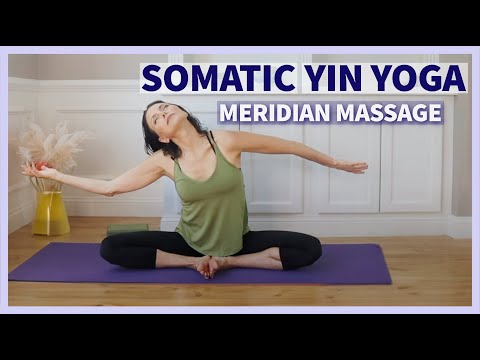
Hey there! So, have you heard of Yin Yoga? It’s not your typical workout. Seriously, it’s like a warm hug for your mind and body.
Imagine slow, deep stretches that relax you from head to toe. You know that feeling when you just sink into a comfy couch after a long day? That’s kind of what Yin Yoga feels like.
In this little journey, we’ll dive into some awesome postures that can help you chill out and reconnect with yourself. You’ll discover how these gentle stretches can transform not just your body but your entire mindset. Sounds good, right?
Let’s get cozy and explore this together!
Transform Your Body: The Impact of Yin Yoga on Physical Change
Yin yoga is like that calm friend who always encourages you to slow down and take a deep breath. You might have heard of it as the chill cousin of “regular” yoga. While those faster-paced styles are all about movement, yin yoga focuses on holding poses for longer periods, often several minutes at a time. It’s not just about flexibility; it can bring some serious changes to your body and mind.
Physical Changes
So, what’s the scoop? Well, yin yoga works on your connective tissues—basically, the glue that holds everything together in your body. By stretching and gently stressing these tissues, you’re promoting hydration and circulation. That means better flexibility over time! You might find that your hips feel looser or maybe you can finally touch your toes without any struggle.
Mindfulness
Yin yoga is also a fantastic way to embrace mindfulness. When you hold a position for several minutes, you’re forced to be present with your thoughts and feelings. This practice can help decrease stress levels and improve focus. Picture this: you’re lying in the butterfly pose, breathing deeply while thoughts drift by like clouds in the sky. It’s a little oasis away from life’s chaos!
The Emotional Shift
Oh, and let’s chat about emotions for a sec. Many people find that yin yoga brings up feelings they didn’t even know they were holding onto—kinda like finding an old toy in the attic that sparks memories! This release can be liberating but also eye-opening. It allows for personal growth and makes room for positive feelings to flow.
Balance Between Body and Mind
When you practice yin yoga regularly, you’re not only working on physical change; you’re creating a stronger connection between your mind and body as well. If you’ve ever felt out of sorts or just off balance—like when you drop your favorite coffee cup—yin can help bring things back into alignment.
So yeah, embracing yin yoga isn’t just good for your body; it’s great for your mind too! Just remember: if you decide to give it a shot, listen to what your body tells you—it knows best! And hey, this isn’t meant to replace professional healthcare if that’s something you need; it’s simply an amazing tool in your wellness toolbox.
Now go out there and find that inner peace!
Understanding the Three Essential Rules of Yin: A Comprehensive Guide
Yin yoga is like that calm friend who encourages you to slow down and reconnect with yourself. It’s a great way to balance the fast-paced world we live in. If you’re curious about the three essential rules of Yin, you’re in for a treat. They’re pretty simple yet super impactful!
1. Find Stillness
The first rule is all about staying still. In Yin, postures are held for longer periods—think three to five minutes or more! This helps you dive deep into your body and connect with your breath. So, when you’re in a pose, just allow yourself to melt into it. No rush, okay?
2. Embrace Surrender
Next up is surrendering to the pose. It’s about letting go of control and allowing gravity to do its thing. You know that moment when you’re lying on the floor after a long day? That’s kinda how it feels! Just let your muscles relax and enjoy the ride.
3. Focus on Your Breath
Last but definitely not least is focusing on your breath. Seriously, breathing is key here! Stay mindful of each inhale and exhale as it guides you deeper into stillness and relaxation—a bit like tuning into your favorite music that just makes everything better.
So there you have it! These three rules can help transform your mindset while working through those Yin yoga postures. And hey, remember this isn’t a substitute for professional healthcare; it’s all about finding ways to feel good in your own skin! Give it a try next time you need some zen vibes in your life!
Exploring the 26 Essential Yin Yoga Poses: Names and Benefits Explained
Yin Yoga is like a cozy blanket for your mind and body. It’s all about slowing down and really sinking into the poses, helping you stretch deep into the connective tissues. The poses are mostly held for several minutes, allowing you to chill out and let go of that pesky tension. Seriously, it can be a game-changer.
Let’s dive into some of those essential Yin Yoga poses! Here are some key ones, along with their benefits:
- Sukhasana (Easy Pose): This one helps open up your hips and encourages tranquility. Just sit cross-legged and relax!
- Balasana (Child’s Pose): A go-to for stress relief, it gently stretches your back and calms your mind.
- Adho Mukha Svanasana (Downward-Facing Dog): Not just a cute name! It stretches the spine, hamstrings, and even helps with circulation.
- Yin Version of Cat-Cow: Get all the benefits of this dynamic duo but in a slower way. It eases tension in your back.
- Sphinx Pose: Great for opening the chest while strengthening your spine—a nice boost for posture!
- Cobra Pose: Another lovely back opener; it lifts your spirits too!
- Dragon Pose: Fantastic for hip flexibility—it really digs in there!
- Half Butterfly: This one targets the hamstrings while allowing you to breathe deeply.
- The Square: A little intense but oh-so-rewarding! It unlocks hip tightness while calming the nervous system.
- Saddle Pose: Feels deep in those hips! It opens up your pelvis and groins—so good for emotional release!
- Supported Bridge Pose: Lifts your hips while providing support. It encourages relaxation while promoting flexibility.
- The Fire Log: This pose is great for hip mobility. You’ll feel an amazing stretch!
- Happy Baby Pose: Seriously fun! It releases lower back tension while making you feel like a kid again.
- Lizard Pose: Perfect if you’re looking to enhance flexibility in the groin area—just breathe through it!
- Pigeon Pose: A classic that opens up stubborn hips; it’s intense but rewarding.
- Sitting Forward Bend (Paschimottanasana): Ideal for stretching that entire back body—so calming too!
- Caterpillar Pose (Paschimottanasana): Rounding forward offers deep relaxation; let yourself melt here!
- Baddha Konasana (Bound Angle Pose): Opens those inner thighs; it can really help if you’re feeling tight there.
- Crescent Moon Pose: This is great for expanding side body length and stretching out those ribs.
- Twist Posture (Seated or Supine) b >: Twists can be refreshing, helping digestion and bringing a sense of balance. li >
Supported Fish Posture b >: An awesome heart opener that can really elevate your mood. li >
Legs Up The Wall b >: So soothing after a long day! Helps relieve tired legs. li >
Sage’s pose b > : Deeply restorative; perfect to finish your practice with intention. li >The beauty of Yin yoga is its ability to calm both the body and mind—all simply by holding these gentle postures! I remember my first class; I felt so awkward at first. But as I sat in Child’s pose, something clicked in me. My worries started to drift away like clouds on a sunny day. And trust me, if I can find peace there, so can you!
A quick reminder though: this is not meant to replace professional healthcare advice or treatment—but rather an addition to help support well-being. If you’re curious about any specific health concerns or practices, definitely chat with someone who knows their stuff! Happy stretching!
Understanding Yin Yoga: Who Should Avoid This Practice?
Yin Yoga is one of those practices that can feel like a cozy blanket on a cold night. It’s slow, gentle, and really lets you sink into your body. But not everyone should dive right in. If you’re curious about who might want to take a step back from Yin Yoga, I’ve got some thoughts for you!
First off, folks with **serious injuries** or health concerns should probably check in with a healthcare professional before rolling out their mats for Yin Yoga. This practice involves long holds in poses that can put pressure on certain areas of the body.
Here are some situations where you might want to reconsider:
- People dealing with **chronic injuries** may find long holds irritating rather than soothing.
- If you’ve just had surgery or are healing from an injury, you’re gonna wanna be careful.
- Those with **severe bone issues**, like osteoporosis, may need to avoid the deeper stretching that comes with some Yin poses.
- If you’re pregnant, it’s essential to consult your doctor or a specialized instructor first.
- Lastly, anyone struggling with **mental health issues** may need to evaluate how stillness affects them during practice.
You know what? I remember when I decided to try Yin Yoga for the first time. It was all about relaxation for me until I realized my tight hamstrings were not ready for those long stretches! Ouch! Instead of blissful peace, I felt more tense and frustrated. That taught me it’s crucial to listen to your body.
So remember, if you have any doubts at all about whether Yin Yoga is for you or not, don’t hesitate to reach out for professional advice. Feeling good in your practice is key!
So, let’s chat about yin yoga for a sec. Honestly, I didn’t really get the hype at first. I mean, when you think of yoga, you usually picture fast-paced movements or those incredible poses that make you feel like a pretzel. But then I stumbled into a yin yoga class one rainy afternoon, and wow, it was kind of life-changing.
In yin yoga, the whole concept is to slow down and simply chill out in these postures. You settle into each pose for what feels like an eternity—like three to five minutes—and let your body just breathe. It’s not about pushing yourself but more like diving deep into relaxation. I remember lying in a forward fold once, and as I settled in, my mind started wandering. At first, it was all the typical stuff: What’s for dinner? Did I send that email? But then something amazing happened—I found this calm space where my thoughts quieted down. That stillness felt so refreshing.
The beauty of yin yoga lies in its focus on the connective tissues—things like ligaments and fascia—that usually don’t get much love in our fast-paced lives. When you hold these postures longer, you’re not only stretching but really getting into those deeper layers of the body. It’s all about finding this sweet balance between effort and surrender.
Have you ever felt super tense after a long day? That constant pressure can seriously weigh us down. Well, yin yoga encourages releasing that tension—not just physically but mentally too. Each time I practice it, I leave feeling as if I’ve shed layers of stress and negativity that clung onto me throughout the day.
And guess what? It’s not just about how your body feels; there’s something emotional there too. Embracing those still moments makes room for self-reflection and awareness—almost like peeling an onion! You know how it is; sometimes things come bubbling to the surface that you didn’t even realize were there.
But here’s the thing: if you’re curious about giving it a shot, don’t rush into it thinking you’ll master all postures right away. It’s all about your journey—be kind to yourself! Just slide onto your mat with an open heart and mind.
So yeah, yin yoga has this way of transforming not only how we feel physically but also how we engage with our thoughts and emotions. It creates this beautiful harmony between mind and body—a reminder that sometimes slowing down is exactly what we need amidst life’s chaos!
