

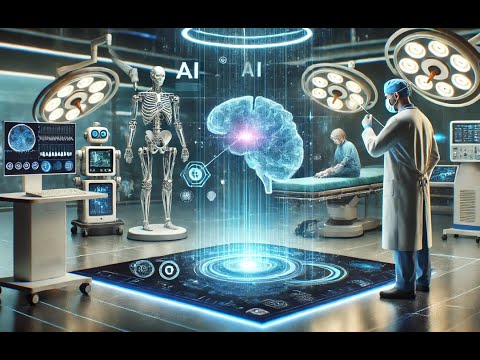
Hey there! Have you ever thought about how crazy it is that we’re living in a time when robots and computers are helping us figure out what’s wrong with our health? Yeah, it sounds like something out of a sci-fi movie! But it’s totally real and happening now.
AI medical diagnosis solutions are shaking things up in healthcare. Seriously, they’re not just flashy tech; they’re making a big difference in how doctors diagnose and treat people. Imagine a world where your doctor has all the info at their fingertips, thanks to smart algorithms that analyze data faster than you can say “doctor’s appointment.”
You know, I was chatting with a friend who had a mysterious illness for ages. After countless tests and trips to the doctor, AI tools finally helped pinpoint what was going on. It was like flipping on the light switch after wandering around in the dark!
So buckle up! We’re diving into how AI is revolutionizing healthcare and why it’s so exciting. Get ready to explore this techy adventure together!
Transforming Healthcare: A Comprehensive Review of AI-Powered Medical Diagnosis Solutions
Hey there! Let’s chat about something pretty cool happening in the healthcare world: AI-powered medical diagnosis solutions. Yup, that’s a mouthful, but it just means we’re using artificial intelligence to help figure out what’s going on with our health. So, how does that work? Let’s break it down!
First off, AI can analyze tons of data way faster than any human. You know how you might spend hours scrolling through social media? Well, AI can sift through patient records, lab results, and medical images in seconds. That’s some serious time-saving magic right there.
Here are a few key things to know:
- Pattern recognition: AI is super good at spotting patterns. It can look for symptoms across thousands of cases and say, “Hey! This looks like something,” even before a doctor sees it.
- Personalized medicine: Sometimes doctors have to guess what will work best for you. With AI analyzing your unique data, treatments can be more tailored to fit your specific needs.
- Access to specialists: If you’re in a small town and need a specialist miles away, AI can connect you with leading experts remotely. Imagine getting advice from top-notch doctors without leaving your couch!
You might be wondering if these AI tools are perfect or anything like that—well, not really. They still need doctors to oversee things because machines can make mistakes too! Think about when your friend sends you a text and autocorrect makes it all weird; same idea here.
The thing is, while this tech is promising and exciting, it definitely doesn’t replace real healthcare or the personal touch that doctors provide. It’s more like having an awesome assistant who helps make sure everything runs smoother.
If I told you my buddy Bob had an early diagnosis thanks to an AI tool that analyzed his symptoms quickly—it really made all the difference for him. That’s what this tech can do: save time and maybe even save lives.
So there ya go! AI in healthcare is just getting started but shows loads of potential for making diagnosing health issues faster and more accurate. And remember: always talk to a real healthcare provider if you have questions or concerns about your health!
Top 10 Applications of Artificial Intelligence Transforming Healthcare
Hey there! So, let’s chat about something super cool in the world of healthcare: artificial intelligence or AI. It’s like having a really smart friend who helps doctors do their jobs better. Seriously, AI is changing how we approach health in some pretty exciting ways.
You might be thinking, “AI in healthcare? How does that even work?” Well, imagine having a computer that can look at tons of medical images or data way faster than any human can. Sounds amazing, right? Here are a few ways AI is shaking things up:
- Medical Imaging: AI can analyze X-rays, MRIs, and CT scans to spot issues that might be missed by the human eye.
- Predictive Analytics: It helps predict patient outcomes by analyzing historical data. That means it could forecast who might get sick.
- Personalized Medicine: By looking at your genetics and health history, AI can suggest treatments tailored just for you!
- Triage Assistance: Chatbots powered by AI can help sort patients based on urgency. So it’s like being first in line at the doctor’s office.
- Disease Detection: It’s great at identifying diseases like cancer at early stages from various datasets.
- Drug Discovery: Creating new medications takes ages! AI speeds up this process by predicting which compounds may work best.
- Virtual Health Assistants: Think of Siri but for your health—AI can remind you to take your meds or help schedule appointments.
- EHR Optimization: Electronic Health Records can be a mess sometimes! AI helps keep all that information organized and easy to access.
- Surgery Assistance: Robots guided by AI are helping surgeons get more precision during operations. Yep, robot buddies!
- Mental Health Support: Apps use AI to provide immediate therapy options or track moods over time—super useful for mental wellness.
The thing is, while all this tech sounds fantastic (and it really is), it doesn’t replace good ol’ human care. Doctors are still essential—they bring empathy and understanding into the mix that machines just can’t replicate. So remember, if you’re ever feeling unwell or have questions about your health, always reach out to a healthcare professional!
A little side note: I once read about an elderly lady named Mary who had trouble getting her prescriptions refilled on time. Then she started using an app with an AI assistant! It helped her remember when to take her meds and even notified her doctor when she was running low. Just goes to show how tech can make life smoother!
This whole intersection of healthcare and technology is just getting started; I’m curious to see where it goes next! What do you think?
Exploring the Impact of Artificial Intelligence on Healthcare: A Comprehensive Research Paper PDF
Hey there! So, let’s chat about something super interesting: the impact of **artificial intelligence (AI)** on healthcare. Sounds fancy, right? But don’t worry, I’ll break it down in a way that makes sense to everyone.
First off, AI in healthcare is like having a smart buddy who can help doctors do their jobs better. Seriously, it’s not about robots taking over; it’s more like giving healthcare professionals some really cool tools. Imagine AI helping doctors diagnose illnesses faster and more accurately than ever before!
Now, let’s look at some key points about this trend:
- Faster Diagnoses: AI can analyze medical data way quicker than humans can. This means if you go to the doctor feeling unwell, there could be a diagnosis on your chart in no time!
- Better Patient Care: With AI keeping track of your health records and suggesting treatments based on tons of data, doctors can provide care that’s much more personalized.
- Predictive Analytics: Ever heard of predicting health issues before they happen? Well, that’s what AI does! It looks at patterns and helps identify who might be at risk for certain diseases.
- Cost Efficiency: AI can help reduce costs by streamlining processes—think less paperwork and more time spent on actually helping patients.
But here’s something to keep in mind: while all this tech sounds fantastic, it doesn’t replace the human touch that comes with healthcare. You know those moments when doctors listen to not just your symptoms but also your feelings? Yeah, AI won’t replace that.
Let me tell you a quick story. A friend of mine was really struggling with a mysterious illness. After visiting several doctors without clear answers, she finally got her results back thanks to an AI diagnostic tool used in the clinic. The relief on her face when she learned what was going on—priceless! It’s amazing how technology can make such a huge difference at just the right moment.
So there you have it! AI is shaping up to revolutionize healthcare—we’re talking speedier diagnoses and better patient experiences—but always remember: real-life connections between patients and doctors are irreplaceable.
Stay healthy and curious!
Transforming Healthcare: Innovative Examples of AI Applications in Medicine
Alright, let’s chat about something super interesting happening in healthcare right now: the use of Artificial Intelligence (AI). You might’ve heard of it buzzing around, but what does it actually mean for medicine? Well, it’s like having a really smart buddy who helps doctors make decisions. Seriously!
So here’s the deal: AI can analyze tons of data way faster than any human can. Imagine a doctor looking at thousands of X-rays or patient histories. It can be overwhelming, right? But with AI, machines can sift through all that info and spot patterns that humans might miss. This helps doctors in diagnosing illnesses much earlier than before.
And guess what? AI isn’t just about crunching numbers or images; it’s also making waves in personalized medicine. Picture this: an AI system checks your genetic profile and suggests treatments tailored just for you. It’s like getting a prescription made specifically for your DNA! This is huge because not everyone reacts the same way to medications.
- Predictive Analytics: Ever wonder if you could see heart issues before they happen? AI does that! By analyzing trends in your health data, these systems help predict potential problems.
- Virtual Health Assistants: Think Siri but for your health! These virtual assistants remind you to take your meds or even help schedule appointments.
- Robotic Surgery: Robots are entering the operating room! They assist surgeons with precision, making surgeries safer and often less invasive.
I once heard a story about a woman named Sarah who struggled to get a diagnosis for her pain. After months of visiting different doctors without clear answers, she turned to an AI-based diagnostic tool. In just minutes, it came up with potential conditions she’d never heard of before. That sparked her doctor’s interest and eventually led to a diagnosis! How cool is that?
This isn’t to say AI will replace doctors—no way! It’s more like having an extra set of eyes and ears helping out in clinics and hospitals. And while these technologies are impressive, remember they’re tools meant to support healthcare professionals, not take their place. Always chat with your doctor about any health concerns!
The future looks bright when it comes to merging AI with healthcare! You know what they say: knowledge is power—and now we’ve got some powerful tech on our side!
You know, when I first heard about AI being used in healthcare, I thought, “Wow, that sounds pretty futuristic!” It made me think of those sci-fi movies where robots are diagnosing people and saving lives. But seriously, AI in medical diagnosis is actually happening now, and it’s kind of amazing what’s going on.
Imagine waiting in a doctor’s office. You’re nervous, thinking about all those weird symptoms you’ve got. And then a little screen lights up with an AI doctor on it, ready to help you figure things out! It’s not so far-fetched anymore. In fact, AI can analyze tons of medical data—like images and charts—faster than we can blink. The other day, I read about how some programs spot diseases like cancer in X-rays way earlier than human eyes typically catch them. It’s like having a superpower!
But hey, let’s keep it real for a second. While it’s thrilling to see this tech buzzing around the medical community, it doesn’t mean we should forget about the human touch. Remember that time when my friend went through a tough health scare? She had all these fancy scans and tests done but what truly helped her was sitting down with her doctor who listened to her fears and comforted her. That personal connection is irreplaceable.
AI can definitely make diagnoses quicker and maybe even more accurate. But we can’t let machines take over entirely; healthcare has always been about people caring for people! So while this revolution is cool—and let’s be honest, kind of exciting—I hope there’s always room for warmth and empathy in our healthcare experiences.
At the end of the day, although tech like AI can transform the way we approach health issues, it should always complement the incredible work doctors do—not replace it. That’s just my two cents! What do you think?
