

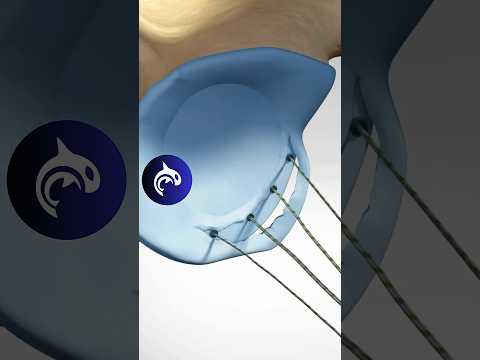
Hey there! Have you ever heard of Bankart repair? It’s one of those fancy medical terms that sounds a bit intimidating, right? But, hold on! It’s actually all about fixing a shoulder injury that’s super common among athletes.
Now, here’s the cool part: technology is changing the game in how these repairs happen. Seriously! Imagine less pain, quicker recovery times, and better outcomes—all thanks to some jaw-dropping advancements.
So, if you’re curious about how this tech is shaking things up in the world of shoulder surgery, you’re in the right place. Let’s dive into it together!
Exploring the Various Types of Bankart Repair: Options, Techniques, and Outcomes
So, you’re curious about Bankart repair, huh? That’s interesting! This procedure usually comes into play when someone has a shoulder dislocation. Basically, it’s about fixing the labrum, which is this important cartilage in your shoulder that gets torn. There are a few different ways to do this surgery, and it’s pretty cool how technology has made it all a bit easier lately.
Open Bankart Repair is one classic option. It involves making a larger incision to access the shoulder joint directly. The surgeon can see everything up close and personal, which some folks appreciate for complex cases. But hey, recovery might take a bit longer compared to newer methods.
Arthroscopic Bankart Repair is another route that’s gained quite the popularity over the years. This one uses tiny incisions and special tools with a camera (called an arthroscope). It’s like giving your surgeon superhero vision! The cool part? Less pain and quicker recovery times for most people.
Then there’s economic considerations. Who doesn’t want value for their bucks? Studies have shown that arthroscopic repairs can lead to shorter hospital stays and overall lower costs in recovery. It all adds up!
But here’s where it gets even more interesting: advancements in technology. Techniques that involve new materials or methods are popping up left and right. Some surgeons use special anchors to help hold everything in place better than before.
Outcomes can be pretty positive across the board, especially if you’re working with a skilled surgeon who knows their stuff! Most patients report good stability after surgery—the goal being no more dislocations.
Anyway, while chatting about these repairs is fascinating (and I hope you’re learning!), remember that every individual case is unique; so it’s always best to talk things through with a healthcare professional who can guide you based on your specific needs!
So there you have it—some insights into Bankart repair options! It’s kind of amazing how far we’ve come with these techniques and how they really do make tackling shoulder issues a bit smoother for everyone involved.
Understanding the Causes of Bankart Repair Failures: Key Insights and Solutions
So, let’s dive into the world of Bankart repairs. Seriously, it’s like a puzzle made up of bones, ligaments, and a whole lot of physical activity. A Bankart repair is a surgery done to fix a shoulder that keeps dislocating. It sounds straightforward, right? But sometimes things don’t go as planned. Here’s what can lead to those repair failures.
One major culprit is **poor adherence** to rehabilitation protocols. After surgery, patients need time and effort in physical therapy. If you skip out on that or don’t do your exercises consistently, your shoulder may not heal properly. It’s like trying to bake a cake and forgetting half the ingredients—you’re just setting yourself up for disappointment.
Another factor is **inadequate surgical technique**. Surgeons are super skilled, but sometimes they might not secure the labrum (the cartilage around the shoulder joint) properly during the operation. If it’s not stitched down right, well… you can guess what might happen next!
Also, **patient factors** play a big role here. This includes age, activity level, and even underlying conditions like arthritis. Each person’s body reacts differently after surgery.
And then there’s **postoperative dislocation**, which can happen even after the best repairs. If you’re in an active sport or have had multiple dislocations before your surgery, your risk could be higher.
Key Insights:
- Rehabilitation matters! Stick to your plan.
- Surgical technique is crucial; ensure you’re with an experienced surgeon.
- Your personal health can influence recovery.
- Dislocation risk depends on lifestyle choices.
In wrapping this all together: understanding these causes can shine some light on why a Bankart repair might fail and why staying informed is essential! Every step helps improve those chances for success in recovery! Just remember, though—if you’re considering any of this for yourself or someone you care about? Always chat with a healthcare professional who knows their stuff!
Step-by-Step Guide to Bankart Repair Surgery: Understanding the Procedure and Recovery
So, you’ve heard about Bankart repair surgery and you’re curious? Let’s break it down together—no fancy medical jargon, just real talk.
First off, what’s a **Bankart tear**? Well, it’s when the cartilage in your shoulder gets damaged, usually from dislocations. Painful stuff! The surgery aims to fix that.
When it comes to the actual procedure, here’s what typically happens:
- Anesthesia: You’ll be under anesthesia—so you won’t feel a thing during the surgery. That’s a big relief, right?
- Incision: The surgeon makes a small cut in your shoulder. This is usually done using arthroscopy, which means they use tiny tools and a camera.
- Repairing the Tear: They’ll stitch up the torn cartilage back to its proper place on the bone. Think of it like sewing up a worn-out seam on your favorite jacket!
- Final Touches: After repairing everything, they close up the incision and might put a bandage over it.
Okay, so that’s how they fix it. But recovery is just as important! It can feel long sometimes—like waiting for your friend who’s always late—but be patient!
- Rest and Immobilization: You will need to rest and may wear a sling to keep that shoulder still for a while.
- Physical Therapy: After some time (don’t rush!), physical therapy helps regain strength and flexibility. It’s crucial!
- Pain Management: Pain meds can help during recovery—no shame in needing them!
Here’s an idea: Imagine going through this process after injuring yourself playing basketball or lifting weights. At first, you might feel bummed out about not being able to play for weeks or even months. It stinks! But with good care and patience, you’ll bounce back stronger.
Technology plays its part too! Surgeons now have access to cutting-edge tools making surgeries less invasive and recovery times quicker than before—a big win for everyone involved.
Remember though, this isn’t medical advice; it’s just info for you to chew on as you consider your options! Always chat with healthcare pros about anything specific regarding your health. Keep being curious about your body—it’s amazing what we’re learning these days!
Understanding the Indications for Bankart Repair: A Comprehensive Guide
Alright, let’s dive into the world of Bankart repair. Now, it might sound a bit technical, but hang with me! The Bankart repair is a surgical procedure aimed at fixing issues related to the shoulder joint. If you’ve ever heard someone say they have a “loose shoulder,” this is usually what they’re talking about.
The indications for Bankart repair are all about understanding when this surgery is needed. So, here are some common reasons:
- Recurrent shoulder dislocations: If your shoulder keeps popping out of place during daily activities or sports, you might be a candidate.
- Significant damage to the cartilage: When the cartilage around the joint gets damaged enough that it affects your movement and comfort.
- Pain that interferes with life: Ongoing pain in your shoulder that doesn’t go away with rest or physical therapy can be another sign.
- Young and active lifestyle: Athletes or active individuals often need this repair to return to their sports without worrying about their shoulders.
You know how sometimes a friend tells you they’ve had multiple injuries? I remember my buddy Alex who used to love rock climbing. He kept dislocating his shoulder because of an old injury. After months of dealing with pain and frustration, he finally opted for the Bankart repair. It was like watching someone get back on their feet again; he was thrilled to climb without fear!
This surgery often utilizes advanced techniques and technology. Surgeons can now use arthroscopic methods that make tiny incisions instead of big ones—less scarring and quicker recovery! But remember, just because there are awesome new tools doesn’t mean it’s right for everyone.
The takeaway? If you think you might need a Bankart repair, having an open conversation with a healthcare professional is crucial. They’ll guide you through whether this option suits your specific situation. Always best to get expert advice!
Sooo, if you’re struggling with shoulder issues, don’t hesitate! Talk it out with someone who knows their stuff.
So, let’s talk about something that might sound a bit technical at first but is super fascinating—bankart repair. Now, if you’re like me, you probably haven’t heard of it until someone close to you had a shoulder injury. Picture this: your friend is playing soccer and, boom! They fall awkwardly, and suddenly their shoulder isn’t quite right anymore. That’s where bankart repair comes into play.
Now, traditionally, this kind of shoulder surgery was a bit invasive. Surgeons would make incisions to fix the torn ligaments and get folks back to their game—or life—faster. But here’s the cool part: technology has been changing the game lately. We’re seeing some wild innovations in how these repairs are done.
For instance, some doctors are using arthroscopy. This means they use tiny cameras and instruments instead of making big cuts! It’s all about precision and minimizing recovery time—which is music to anyone’s ears who doesn’t want to be stuck on the sidelines for ages. Imagine being back on that soccer field again in no time!
I remember one of my friends going through a rough patch after his surgery. He was super frustrated because he just wanted to go back to playing basketball. But after his arthroscopic surgery—a revelation for him—the recovery felt shorter than expected, and he was back shooting hoops before we knew it!
And seriously, those advancements don’t only help athletes; they can make a huge difference for anyone dealing with shoulder issues—like us normal folks who just want to lift groceries without wincing in pain!
But here’s the thing: while it sounds promising and exciting (and it really is!), keep in mind that these new technologies aren’t a magic wand. They need skilled hands behind them—healthcare providers who know what they’re doing. All that cutting-edge tech can do wonders but doesn’t replace the human touch in healthcare.
So yeah, tech in medicine is incredible—and it makes you think about how far we’ve come from old-school methods! I can’t help but feel hopeful when I see how it’s revolutionizing things like bankart repair for everyone—not just elite athletes—and making life so much easier for those working their way through recovery from injuries like these. Isn’t that something?
