

Ah, allergies. One moment you’re enjoying a sunny day, and the next, you’re sneezing like a sneeze machine. I mean, doesn’t that just drive you crazy?
If you’re like me and have a love-hate relationship with pollen, dust, or pet dander, you’ve probably tried your fair share of antihistamines. Some work wonders; others just leave you feeling drowsy or weird.
Guess what? There’s a whole world of antihistamines out there that can fit into your tech-savvy lifestyle. We’re talking apps to track pollen counts, smart devices to help manage your environment, and top-notch meds that can keep those pesky symptoms at bay.
So let’s dive into this world together and find the best antihistamines for some serious allergy relief! You’ll be back to enjoying life—and that gorgeous weather—in no time!
Discover the Most Effective Antihistamines for Allergy Relief
Sure thing! Let’s dive into the world of antihistamines, shall we? Allergies can really make life a hassle—sneezing, itchy eyes, and that annoying stuffy nose. It’s like your body decided to throw a party for pollen and dust, but you definitely didn’t RSVP. So, let’s talk about those little helpers called antihistamines.
Antihistamines work by blocking histamine, which is the pesky chemical your body releases during an allergic reaction. Histamine can cause all sorts of symptoms, and antihistamines are your go-to to feel better. You’ve got two main types: first-generation and second-generation.
First-generation antihistamines are those older classics. They’re great at stopping sneezes but might leave you feeling a bit fuzzy or sleepy. Here are a couple you might’ve heard of:
- Diphenhydramine (like Benadryl) – It’s powerful but could knock you out.
- Chlorpheniramine (found in Chlo-Amine) – Helps with sneezing but also brings on the drowsiness.
Now, let’s chat about second-generation antihistamines. These guys are newer on the scene and designed not to make you drowsy. That’s what makes them so popular! They’re perfect for day-to-day activities when you just can’t afford to be sleepy:
- Loratadine (think Claritin) – Lasts long and keeps you alert.
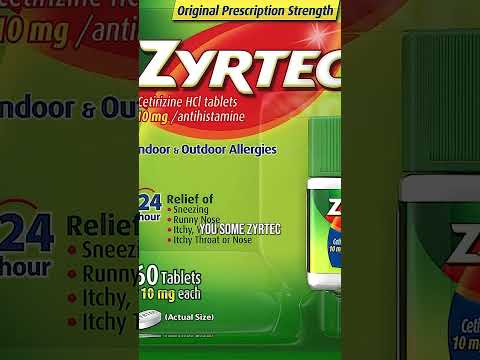
- Cetirizine (Zyrtec) – Good for allergy relief, but can make some people sleepy.
- Fexofenadine (Allegra) – Non-drowsy option that works wonders!
Let me tell ya, I once had a run-in with loratadine during springtime allergies. It was one of those mornings where I woke up feeling like I’d fought a bear—my face was puffy, my eyes were watery; it was a mess! A quick dose of loratadine saved the day. I mean, who doesn’t want to breathe easy while enjoying that gorgeous weather?
It’s worth noting that sometimes people have individualized reactions to these medications—what works wonders for one person may not work as well for another. So if you’re thinking about starting any new allergy medication or changing what you’re currently taking, it’s best to have a quick chat with your healthcare provider.
Remember this isn’t medical advice; just some friendly info to help navigate through allergy season! Now get out there and enjoy yourself without those pesky allergens bugging you! Happy breathing!
Zyrtec vs. Telfast: Which Allergy Medication Reigns Supreme?
So, here we go! When it comes to battling allergies, picking the right medication can feel a bit like choosing between pizza and burgers—you just want the best one, right? Today, we’re chatting about Zyrtec and Telfast, two popular antihistamines that many folks reach for when pollen or dust bunnies decide to ruin their day.
Zyrtec is like that reliable friend who always shows up on time. Its active ingredient is cetirizine, and it’s known for kicking in pretty quickly to relieve those annoying allergy symptoms like sneezing, runny nose, and itchy eyes. Some people say Zyrtec makes them a bit sleepy though. So if you’re planning on doing something super important after taking it—like operating heavy machinery or trying to keep your eyes open during a boring meeting—you might want to plan ahead.
On the other hand, Telfast, which contains fexofenadine, tends to be that go-getter who doesn’t slow down. It’s less likely to cause drowsiness, which is a big plus for people who need to stay alert. If you’re out and about running errands or hanging out with friends while the pollen count is high, Telfast might just be your best ally in making sure you can enjoy life without feeling groggy.
Now let’s break down some features:
- Speed of action: Zyrtec often works within an hour or so. Telfast may take a little longer but still gets the job done.
- Duration: Both can provide relief for 24 hours; perfect if you just wanna set it and forget it!
- Drowsiness: Zyrtec has a higher chance of making you sleepy compared to Telfast.
Honestly? The choice between these two could boil down to how your body reacts. Some folks swear by Zyrtec while others find solace with Telfast. And hey, everyone’s different! What works wonders for one person might not do much for another.
Just remember—neither of these meds replaces professional healthcare advice. So if allergies are really getting in the way of your life (like that time my buddy couldn’t enjoy our picnic because he was sneezing up a storm), it could be worth having a chat with someone who knows their stuff!
In the end, picking between Zyrtec and Telfast is all about what fits your lifestyle better. Try them out and see which one helps you conquer allergy season like a champ!
Top Allergy Medications: Finding the Most Effective Solutions for Relief
Allergies can be such a drag, right? One minute you’re enjoying a sunny day, and the next, you’re sneezing like there’s no tomorrow. If you’re dealing with allergies, you probably know that finding relief is essential. So let’s talk about some of the top antihistamines that can help you breathe easier.
Antihistamines are like little heroes for allergy sufferers. They work by blocking histamine, which is the stuff your body releases when it thinks something’s trying to mess with it—like pollen or pet dander. When histamine floods your system, you get those annoying symptoms: sneezing, itching, runny nose—you name it. By taking antihistamines, you can tackle those pesky symptoms head-on.
Now, when you’re browsing for medications in this tech-savvy world, you’ve got options! Here’s a quick rundown:
- First-generation antihistamines: These guys are effective but can make you drowsy. Think Benadryl or Chlor-Trimeton; they might knock you out for a while.
- Second-generation antihistamines: These are the cool kids who offer relief without making you sleepy. Medications like Zyrtec and Claritin fit into this category and are super popular.
- Prescription options: Sometimes over-the-counter just doesn’t cut it. In these cases, talking to a healthcare provider about stronger prescription meds could be worth it if your allergies are really acting up.
I remember a buddy of mine who had the worst allergies during springtime. He would go from being outside enjoying a barbecue to retreating inside to avoid the grass pollen—totally bummer! Once he switched to a second-generation antihistamine and embraced them as part of his routine? Game changer! It made all the difference.
The great thing is that many allergy medications come in different forms too—pills, liquids, even nasal sprays! So if swallowing pills isn’t your jam or if you’re techie enough to try out an app that delivers reminders for taking your meds on time? That’s totally an option!
If you’re considering jumping into allergy meds, always keep in mind that consulting with a healthcare professional is key before starting any new medication regimen. Everyone reacts differently to stuff, and what works for one person may not work for another.
So there ya go—just some info on antihistamines and how they can help make life with allergies just a bit more bearable! Stay sneeze-free out there!
Top Allergy Medicines for Adults: Effective Relief Options Reviewed
Hey there! Let’s talk about allergies. You know, those pesky things that can turn sunny days into sniffly nightmares? If you’re like most people, maybe you’ve reached for a box of allergy meds at some point. So, let’s dive into some popular antihistamines that adults often consider for relief.
First up, we have Cetirizine. It’s that trusty friend who helps keep the sneezing and itching at bay. Many folks love it because it works pretty fast and doesn’t usually make you feel too drowsy. Just a heads-up though: everyone reacts differently!
Then there’s Loratadine. This one is also a fan favorite since it can help with those annoying symptoms without knocking you out. Perfect for when you wanna power through your day without feeling like a zombie!
Another option is Fexofenadine. It’s known for being effective and is less likely to cause sleepiness too. Some people swear by it during allergy season, especially if they have stuff to do.
And let’s not forget about good old-fashioned Diphenhydramine, or Benadryl as many call it. This one can be super effective but hey, it might make you feel sleepy! So, if you’ve got plans later, maybe save this one for bedtime.
Lastly, these meds come in different forms like tablets, liquids or even dissolvable strips! Sometimes the fancy options just make things easier to take—bonus points if that means no more gagging on pills!
Just remember, while these medicines are quite popular among adults seeking relief, it’s always good to check in with a healthcare professional before making changes to what you’re taking. Everyone’s body is unique and what works well for one person might not work the same for another.
So there you have it—a quick rundown of some antihistamines that could help lighten your allergy load this season! Stay sneeze-free out there!
So, let’s have a chat about antihistamines, shall we? If you’re anything like me, when the pollen levels rise or pet dander gets a little too cozy, you start to feel like a sneezy mess. I remember this one time at a friend’s barbecue—everyone was having a blast while I was battling itchy eyes and a runny nose. Not my idea of fun, right? But that’s when I started digging into antihistamines and how they could save the day.
Antihistamines are basically your body’s little helpers when allergies strike. When allergens like pollen invade your world, your body can go into overdrive, releasing histamine. That’s what causes all those annoying symptoms—sneezing, itching, you name it! Antihistamines work by blocking that histamine action so you can breathe easy and enjoy life.
Now, let’s talk about the tech-savvy part. There are so many options out there nowadays! You’ve got your classic ones that leave you feeling drowsy, like diphenhydramine (think Benadryl), which is great for nighttime relief but probably isn’t ideal if you have to work or want to binge-watch Netflix without dozing off. Then there are the newer kids on the block—like loratadine (that’s Claritin) and cetirizine (Zyrtec)—which tend to be gentler on the drowsiness side of things.
And here’s where technology swoops in! There are apps now that can help track allergy seasons in your area. Can you believe it? You can get alerts about pollen counts on your phone! It’s like having personal weather updates for your sniffles. Pair that with some antihistamines, and you’re equipped to tackle those allergens head-on.
However, don’t forget—these little pills aren’t one-size-fits-all. Everyone’s different! Some people might just love one brand while another person feels it doesn’t do much at all. That’s why talking with someone who knows their stuff is super important before diving in headfirst into any treatment.
But hey, I’m not saying antihistamines will solve all your problems overnight! They help manage symptoms but won’t erase allergies completely. And be mindful of those potential side effects; they exist just like they do with any other medication!
In the end, it’s all about finding what works for you while keeping up with technology that can help make allergy season less of a nightmare. We’ve got tools at our fingertips now—it feels empowering! So as spring rolls around again and flowers bloom everywhere, remember: you don’t have to suffer alone in silence; there are options out there waiting for you to explore them!
