

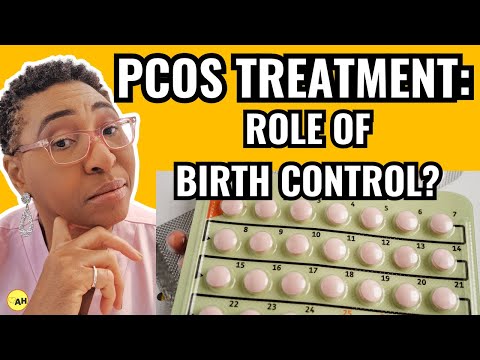
Hey there! So, let’s talk about something that’s often a bit awkward but super important: birth control and PCOS.
You know how sometimes your body seems to have a mind of its own? Well, that’s pretty much what living with Polycystic Ovary Syndrome (PCOS) can feel like. It can be a real rollercoaster.
If you’re dealing with symptoms like irregular periods, weight gain, or mood swings—you’re not alone. Seriously, so many people are in the same boat! And guess what? Smart birth control options might just be your new best friends in managing those pesky symptoms.
Let’s dive into some solutions that could make life a little easier and more manageable. Ready? Let’s go!
Top Pills for Managing PCOS Symptoms: A Comprehensive Guide
So, let’s talk about PCOS, or Polycystic Ovary Syndrome, a condition that affects a lot of folks with ovaries. It can really mess with your hormones and cause all sorts of symptoms like irregular periods, weight gain, and even acne. It’s frustrating, I get it! Now, if you’re looking for ways to manage these symptoms, one popular option is birth control pills.
What are Birth Control Pills? These little wonders are designed to regulate your menstrual cycle and can help balance those pesky hormones. They work mainly by providing synthetic hormones that mimic the natural ones your body would produce. Pretty fascinating, right?
Here’s the thing—you’ve got different types of birth control pills that might be used for managing PCOS symptoms:
- Combined Oral Contraceptives: These contain both estrogen and progestin. They can help reduce acne and excess hair growth.
- Progestin-Only Pills: Suitable for those who can’t take estrogen. They provide some hormonal relief but might not help with all symptoms.
- Hormonal IUDs: Not exactly a pill, but hey—these tiny devices release hormones directly into your uterus and can also lead to lighter periods.
Now you might be wondering how effective they really are. Well now… studies show they can significantly improve some PCOS symptoms for many people. But it isn’t one-size-fits-all; everyone’s body reacts differently!
I had a friend who struggled with PCOS for years. She was super frustrated with her irregular cycles and weight changes. After chatting with her doc, she started on a combined oral contraceptive pill. Within months, her cycles became way more regular! That was such a relief for her—she felt in control again!
But hold on! You’ve gotta keep this in mind: no matter how helpful these pills can be, always chat with a healthcare pro before starting any new meds or treatments. They’ll know what options are best suited for your unique situation—and that’s super important.
So remember: if you’re dealing with PCOS symptoms and considering birth control as a solution, make sure you do your research, talk it out with someone who knows their stuff, and find what works best for you!
Top Birth Control Pills for Effective PCOS Weight Loss: A Comprehensive Guide
So, you’ve probably heard that PCOS, or polycystic ovary syndrome, can really throw a wrench in your wellness plans, right? Weight management is a big deal when dealing with PCOS, and many people find that birth control pills can help regulate some symptoms. But hey, what’s the deal with those pills?
First off, let’s clarify that birth control pills aren’t just for preventing pregnancy. They can also help with hormonal balance for those with PCOS. Some of them help your body manage weight better by regulating insulin levels and reducing testosterone production. That might sound a bit technical, but basically, it means they can make life a little easier.
Now I won’t throw a bunch of jargon at you. Here are some popular birth control pills often considered for managing PCOS:
- Combined Oral Contraceptives (COCs): These are probably the most commonly prescribed pills. They combine estrogen and progestin to regulate your cycle and lower androgen levels.
- Progestin-Only Pills: Sometimes called mini-pills, these might be suggested if COCs aren’t ideal for you. They’re great for keeping hormone levels steady.
- Low-dose Pills: These have lower levels of hormones than regular ones. Some people find they have fewer side effects while still helping manage symptoms.
A friend of mine struggled with her weight due to PCOS for years. She was all over the place—trying diets, exercise fads—nothing stuck until she explored different birth control options with her doc. It was like flipping a switch! She finally found one that helped even out her hormones and made it easier to maintain her weight without feeling like she was constantly battling herself.
It’s super important to talk to your healthcare provider about which pill might work best for you because what works wonders for one person might not be right for another. Trust me; they’ll have your back! And remember, these pills won’t replace lifestyle changes like diet or exercise but can be part of a bigger strategy.
The bottom line is that finding the right solution could transform how you feel day-to-day—less stress about weight and more focus on enjoying life! So chat it up with your doctor about Smart Birth Control Solutions tailored just for you!
Top Contraceptive Pills for Managing PCOS Symptoms Effectively
Well, let’s talk about something that a lot of folks might not be too familiar with but is super important: contraceptive pills and managing PCOS symptoms. You might have heard of PCOS, or Polycystic Ovary Syndrome. It can come with a bunch of symptoms like irregular periods, weight gain, acne, and more. It can feel overwhelming at times.
One thing that really helps many people dealing with PCOS is birth control pills. Seriously! These pills can help regulate your menstrual cycle and even improve those pesky skin issues. I remember a friend of mine who struggled for years with her skin because of PCOS. Once she started on her contraceptive pill regimen, her complexion cleared up significantly! It was like watching a flower bloom after a long winter.
When it comes to which pills are considered the top choices for managing PCOS symptoms, there are a few popular ones:
- Combined Oral Contraceptives: These contain both estrogen and progestin. They work great by helping to balance hormones.
- Progestin-Only Pills: If you can’t take estrogen for some reason, these might be a good option. They’re often used to manage heavy periods.
- Metformin: While not exactly a contraceptive pill, some doctors prescribe this alongside birth control to help with insulin resistance often seen in PCOS.
- Cyclic Progestins: Sometimes prescribed to induce periods if they’re really irregular.
Now, I won’t pretend to know everything about medical stuff—you should totally chat with your healthcare provider about what’s right for you. They’ll dig into your specific situation and help you choose the best option.
So remember: these contraceptives can do more than just prevent pregnancy. They can also ease some of those frustrating symptoms that come along with PCOS. It’s kind of wild how something as simple as taking a pill every day could give you back some control over your body and life! But always check in with someone who knows their stuff before diving into any treatment plan, okay?
Understanding the Side Effects of Oral Contraceptive Pills for Managing PCOS Symptoms
Oral contraceptive pills, often just called birth control pills, are sometimes used to help manage symptoms of polycystic ovary syndrome (PCOS). Now, if you’re not familiar with PCOS, it’s a condition that affects how your ovaries work and can lead to a variety of symptoms, like irregular periods, acne, or even weight gain. So how do these pills fit into the picture?
Well, the thing is they can help regulate your menstrual cycle and reduce some of those pesky symptoms. But here’s where it gets interesting—like any medication, they come with their own set of potential side effects. And it’s super important to know what those might be.
- Nausea: Some people feel queasy when they first start taking them. This usually fades over time.
- Headaches: You might experience some headaches initially. They could be annoying but often pass.
- Mood changes: Hormones can mess with your mood. Just something to keep in mind.
- Breast tenderness: Your breasts might feel a little sore or sensitive for a bit.
- Weight gain: Some women report gaining a bit of weight while on the pill—though it’s different for everyone.
You know how sometimes our bodies just react differently? Well, that’s true when it comes to oral contraceptives too. For example, I remember my friend Emma started taking them thinking they’d help with her acne and irregular periods. At first, she was thrilled! But then she noticed some weird mood swings and felt a bit bloated. So she had to chat with her healthcare provider about adjusting the dosage.
It’s essential to keep communicating with your doctor about any side effects you might experience because what works for one person might not be right for you. And always remember that while contraceptive pills can have benefits for managing PCOS symptoms, they’re just one part of the puzzle.
In the end, figuring out what’s best for you involves working closely with healthcare professionals who understand your unique situation. It’s all about finding what feels good for your body at the end of the day!
So, let’s talk about PCOS, or Polycystic Ovary Syndrome. You know, it’s one of those things that can really throw your body for a loop. I remember when my friend Sarah was diagnosed with it. She was overwhelmed—lots of mixed feelings, confusion about symptoms, and just plain frustration with what to do next.
Now, something that often comes up with PCOS is the whole birth control thing. It’s like a double-edged sword sometimes. On one hand, birth control can help manage some of those pesky symptoms like irregular periods and acne. But on the other hand, not every solution works for everyone.
There are quite a few options these days! Hormonal birth control methods—like pills, patches, or rings—are common go-tos because they can stabilize hormones and regulate cycles. But here’s the kicker: Some women might experience side effects that aren’t great for them. You know how it goes; what helps one person might not be the answer for someone else!
And then there are non-hormonal options! They’re pretty cool too; they may not regulate your cycle but can help in other ways—for instance, reducing cramps or keeping things balanced without messing with hormones.
I think it’s super important to have an open conversation with your healthcare provider about what feels right for you. Like seriously, don’t hold back on questions! Sometimes it takes a bit of trial and error to find what works best without adding more stress to your life.
At the end of the day, managing PCOS isn’t just about controlling symptoms—it’s also about finding a routine that makes you feel good in your own skin. Whether through diet changes, lifestyle tweaks or smart birth control choices, it’s all part of a bigger picture.
So if you’re navigating this journey or know someone who is? Just remember: Be patient with yourself and stay informed—you’re not alone in this!
