

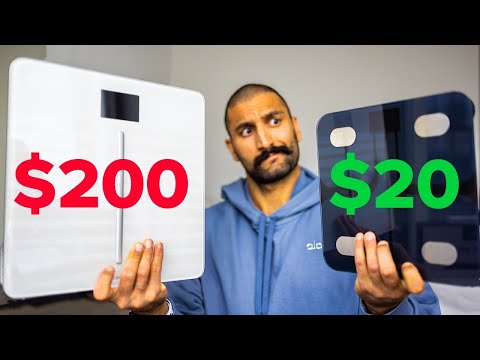
Hey there! So, you know how sometimes the scale can be your best friend and your worst enemy, right?
Well, imagine if it could actually help you crush your fitness goals instead of just stressing you out. That’s where a smart BMI scale comes in!
These bad boys do more than just show your weight. They track body fat, muscle mass, and even water percentage. Can you believe it?
It’s like having a mini coach right at home! Seriously, if you’re ready to take control of your health in a fun and techy way, stick around. Let’s dive into how this gadget can totally revolutionize your fitness journey!
Evaluating the Accuracy of Smart Scales for Measuring BMI: What You Need to Know
So, you’ve probably seen those snazzy smart scales that promise to measure your BMI, right? They seem like a cool gadget to add to your fitness routine. But how accurate are they really? Well, let’s dive into it!
First off, BMI stands for Body Mass Index. It’s a simple calculation based on your weight and height. Sounds easy enough! However, while it’s a useful indicator of body weight, it doesn’t give the full picture of your health.
Now, about those smart scales. They use BIA, which stands for Bioelectrical Impedance Analysis. Basically, they send a tiny electric current through your body to estimate fat and muscle mass. Pretty fascinating stuff! But here’s the kicker: the accuracy can be pretty hit or miss.
- Your hydration levels can mess with readings—if you drank a ton of water before stepping on the scale, it could show you weigh more than you actually do!
- Body composition varies by individual; so muscle-heavy folks might get skewed results since BMI doesn’t distinguish between muscle and fat.
- Positioning on the scale matters too—standing straight is key! Leaning or shifting can affect measurements.
I remember when I first got my smart scale. I was super stoked about tracking my progress. But one day I stepped on after an intense workout and saw I’d “gained” three pounds! Talk about panic! Turns out my body was just recovering and holding onto some extra water weight.
The thing is, these scales can be handy for tracking trends over time if you don’t take them too seriously day-to-day. Just remember: they’re not perfect. Always combine their output with other healthy habits, like eating well and moving around more!
So before you start planning your fitness journey around that shiny scale in your bathroom corner—keep in mind what we talked about today! Always consult a professional if you have specific health questions or concerns.
Exploring the Disadvantages of Smart Scales: What You Need to Know
Okay, so you’re thinking about getting a smart scale, right? They seem super cool and all high-tech. But before you jump in, let’s talk about some disadvantages that might just make you pause for a sec.
First off, accuracy can be a bit sketchy. These scales rely on electrical impedance to gauge your body composition. Sometimes, they can get it wrong because hydration levels, diet, and even what time of day it is can mess with the readings. Imagine stepping on and feeling pumped about your progress, only to find out it was way off. That’s a bummer!
Another thing is cost. Smart scales can be pricey compared to traditional ones. You could end up spending quite a bit for something that might not give you the results you expect. So if you’re low on cash or just starting out in your fitness journey, this might not be the best investment.
And let’s not forget about user-friendliness. While many smart scales connect with apps and share data with your smartphone, they can sometimes feel overly complicated. If you’re not tech-savvy or you don’t really want to deal with an app every time you weigh yourself, it could become more of a hassle than it’s worth.
Privacy concerns are also something to think about. Some people worry about their personal health data being shared or stored in ways they didn’t agree to. Who wants their weight and body fat percentage floating around in cyberspace?
You should also consider motivation levels. It’s easy to get fixated on numbers when using these scales. Instead of focusing on how strong or fit you’re becoming, you might end up stressing over those digits instead. And trust me, that’s not great for your mental health!
The thing is—smart scales aren’t necessarily bad; they just come with quirks we gotta talk about. Like my friend Sarah who bought one thinking it would revolutionize her fitness game but ended up feeling more stressed than ever over those numbers! We need to find what works best for us individually.
If you’re seriously considering one of these gadgets, just keep all this stuff in mind! And remember: Nothing replaces good ol’ professional healthcare advice when it comes to your health journey!
Assessing BMI Accuracy for Bodybuilders: Key Insights and Considerations
You know, when it comes to assessing fitness levels, Body Mass Index (BMI) is a popular metric. But hold on—if you’re a bodybuilder, this number might not give you the full picture. Let’s break it down, shall we?
BMI is calculated using your height and weight. It helps categorize people into underweight, normal weight, overweight, and obese. But here’s the catch: BMI doesn’t differentiate between fat and muscle. So if you’ve been hitting the gym hard and packing on muscle, your BMI could be misleading.
Take my buddy Jake, for instance. He’s built like a brick house but his BMI says he’s overweight! Crazy, right? Getting caught up in that number can be discouraging for someone who’s busting their butt at the gym.
Here are some key insights to consider:
- Muscle Mass vs. Fat: Muscle weighs more than fat. So high muscle mass can inflate your BMI.
- Waist Measurement: Sometimes measuring your waist can give a better idea of body fat than BMI.
- Body Composition Analysis: Smart scales and tools can help assess fat vs muscle percentages.
- Consult Professionals: If you’re unsure about your body composition or health, talking to a healthcare provider is always smart.
So while BMI offers a simple way to glance at overall body size, it doesn’t really work well for athletes or bodybuilders. Remember that every body is unique!
At the end of the day, don’t let those numbers get you down! Focus on how you feel and how strong you’ve become instead of just what that scale says. Just make sure you have all the right information before making any decisions about your health—and keep lifting!
Comprehensive GE Smart Scale Reviews: Features, Performance, and User Insights
So, you’re on a fitness journey and thinking about getting one of those fancy smart scales? I get it! They promise to track not just your weight, but also things like BMI, body fat percentage, and more. The GE Smart Scale is one of them, and honestly, it’s got some cool features that might just help you reach your goals.
Features that Stand Out
- BMI Measurement: It calculates your Body Mass Index automatically. You just step on it!
- Body Composition: It gives insights into body fat percentage and muscle mass. Knowing this can be super helpful as you work out.
- User-Friendly App: The scale connects to an app where you can track your progress over time. Keeping tabs has never been easier!
The app even allows multiple users! That means if you’ve got a family or roommates who want in on the action, no problem. Each person can keep their data separate.
Performance Spectacularity
- Accuracy: Most users rave about its accurate readings. It’s essential to have reliable data when you’re working hard.
- Design: Sleek and modern! It looks great in any bathroom or gym setup.
I remember when my friend Jake began using one. He was surprised at how much his water weight fluctuated—who knew hydration could affect the numbers so much? That little tidbit helped him adjust his workouts and meals accordingly.
User Insights Matter
- Easier Tracking: Many say tracking progress through the app keeps them motivated.
- Simplicity is Key: Users love how easy it is to set up and start using right out of the box.
The thing is, while all these features sound awesome, they’re not a substitute for real health advice from professionals. Always stay connected with someone who knows their stuff when you’re making big changes in your life!
If you’re considering investing in a smart scale like this one, go for it—you might find that it really adds value to your fitness journey! And hey, don’t forget: balance and consistency are what truly matter at the end of the day.
So, let’s chat about something that’s been on my mind lately: smart BMI scales. You know, those fancy gadgets that keep track of your weight and all that jazz? I mean, they sound cool and all, especially if you’re trying to get a handle on your fitness journey, right? But there’s a lot more to it than just stepping on a scale and seeing some numbers flash in front of you.
Picture this: you’re at the gym, working your butt off. You hop on the regular scale, and it shows a number that kind of makes your heart sink. Ugh! That can totally ruin your day. But with a smart BMI scale, things get a little different. These gadgets not only give you your weight but also throw in some info about body fat percentage and muscle mass. It’s like having a mini personal trainer right in your bathroom!
Honestly, I had my doubts at first. I remember when my buddy Mike got one of these scales. He was super into tracking his progress for months—like every week he was posting updates on his social media accounts about how he was getting fitter. It was kinda inspiring but also made me think: do these fancy tools really help?
Well now, after seeing him stick with it for longer than he ever had before, I realized something important: it’s not just about the numbers; it’s about motivation too. Those scales can provide data that helps you make sense of where you’re at in your fitness journey. Instead of feeling defeated by one number, you see trends and patterns over time which can be pretty encouraging!
And hey, let’s be real for a second here—tracking progress isn’t just for athletes or gym buffs; it can be helpful for anyone looking to be a bit healthier or more active! Even if you’re just trying to get off the couch more often or simply want to feel good in your own skin.
However, it’s important to remember that these scales aren’t perfect or the end-all-be-all solution either! They’re just one tool among many in figuring out what feels right for you personally. So don’t sweat it if the numbers fluctuate—they often do!
At the end of the day though, embracing technology like smart BMI scales could actually make your journey feel more dynamic and engaging instead of monotonous and discouraging. Just keep in mind that even though they provide insight into physical aspects, what truly matters is how you feel inside!
