

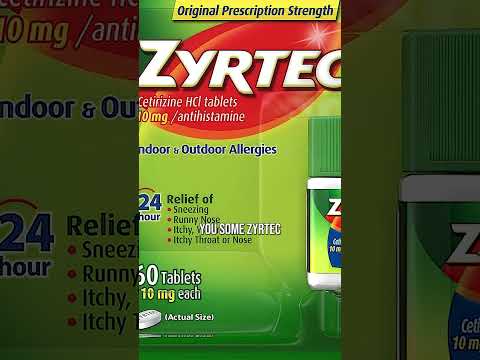
Hey! Have you ever sneezed uncontrollably in the middle of a family dinner? Or felt that itchy, scratchy throat right before you’re about to enjoy your favorite dessert? Yeah, me too! Allergies can really be a pain, right?
So let’s talk about something that could make life a whole lot easier: cetirizine. It’s an antihistamine, which sounds all science-y but really just means it helps with those annoying allergy symptoms.
Think of it like the superhero of allergy relief. Just a click or a swallow and—bam!—you might feel better. But what exactly does it do and how does it work? I’ll break it down for you in the simplest ways possible. Sound good? Let’s dive in!
Understanding the Connection: Can Cetirizine Cause Hives?
So, let’s chat about cetirizine. You might’ve heard of it if you’ve ever dealt with allergies. It’s an antihistamine that helps manage symptoms like sneezing and runny nose. But, you know, sometimes people wonder if cetirizine can also cause hives. Let’s break this down!
First off, hives are those itchy, raised welts on your skin that seem to pop up out of nowhere. They can be a real pain, right? Now, when you’re taking cetirizine, it’s usually to help yourself feel better from allergy symptoms. But here’s the kicker: every medication’s got its own list of possible side effects.
Now to the juicy part! Some folks have reported experiencing hives while taking cetirizine, even though it’s generally used to treat allergic reactions. This might sound confusing—after all, why would something meant to help allergies cause them?
Here are a few things to keep in mind:
- Individual Reactions: Everyone’s body reacts differently to medications. Just because it works for one person doesn’t mean it will for another.
- Allergic Reactions: In rare cases, you could be allergic to cetirizine itself.
- Dosage Matters: Sometimes taking more than the recommended dose might lead to unexpected side effects.
It’s like my friend Sarah who took some cetirizine before a big outdoor party. She wanted to enjoy the sunshine without the sneezing! Everything was great until she suddenly broke out in hives at the party! Talk about party crasher vibes! It turned out she just had a bad reaction.
So remember: if you notice anything odd while using cetirizine (like hives!), it’s worth reaching out for professional advice. Always better safe than sorry! Your health matters way too much.
In short (not too sure about that!), while cetirizine is usually safe and effective for allergy relief, some people may experience hives as a side effect. If that happens, definitely talk with someone who knows their stuff—like your healthcare provider!
Evaluating the Safety of Cetirizine for Diabetics: What You Need to Know
So, you’ve been hearing about cetirizine and its magic powers when it comes to sneezes, sniffles, and itchy eyes. But what if you have diabetes? That’s a fair question! Let’s dig into this together.
What is Cetirizine?
Cetirizine is an antihistamine. In simpler terms, it helps tackle allergic reactions by zapping those pesky histamines in your body that cause all that annoying stuff, like runny noses and itchy skin. For many people, it’s like a breath of fresh air during allergy season.
Is Cetirizine Safe for Diabetics?
Generally speaking, cetirizine is considered safe for most people, including those with diabetes. But here’s the scoop: always check in with your healthcare provider before starting any new medication. They know your unique story!
Potential Concerns
Although cetirizine doesn’t directly mess with blood sugar levels, some folks might experience side effects like dizziness or fatigue. You know how it goes; everyone reacts differently. If you feel any weirdness after taking it, don’t hesitate to talk to your doctor.
Monitor Your Health
If you do decide to give cetirizine a shot, keep an eye on how you’re feeling overall. Check in on your blood sugar levels regularly. Changes in routine can sometimes throw things off a bit!
Things to Keep in Mind
- If you’re taking other medications for diabetes or anything else, chat with your doc about potential interactions.
- Avoid mixing alcohol with cetirizine; it can ramp up those drowsy feelings!
- Your medical history matters! Let your healthcare provider know about any other health conditions.
Remember that while this info is here to help you understand more about cetirizine and diabetes, it doesn’t replace professional healthcare advice. Your health journey is personal—don’t hesitate to get the info that’s best for you!
Comprehensive Guide to Cetirizine 10 mg Tablet Uses and Benefits
Alright, let’s talk about Cetirizine, that trusty little antihistamine that many folks turn to when allergy season hits. You know how it feels when pollen or pet dander just triggers the sneezes? Yeah, Cetirizine might help ease those annoying symptoms.
So, what exactly is Cetirizine? It’s an antihistamine, which means it works by blocking histamines in your body. Histamines are those pesky chemicals that kick in during allergic reactions, leading to sneezing, itching, and watery eyes. Imagine you’re outside enjoying a sunny day but then BAM! Your nose goes haywire. That’s where Cetirizine comes to the rescue.
Usually taken as a 10 mg tablet, Cetirizine can be handy for different kinds of allergies:
- Hay fever: Pollen allergies can be a nightmare; Cetirizine helps calm the storm.
- Pets: If you love furry friends but can’t handle the dander, this might be your go-to.
- Dust mites: Yeah, they’re real. Cetirizine can help if you’re a sneezy mess at home.
- Mold: When you step into a damp area and feel that urge to sneeze—cetirizine could help.
I remember once visiting my friend who has three cats. Oh boy! I was having the time of my life until my nose reminded me it wasn’t too happy. Thankfully, I had some Cetirizine in my bag. Within a short while, I was back enjoying our catch-up without constant interruptions for tissues!
Cetirizine isn’t just about sneezing either; it’s also good for treating hives and itchiness from allergic skin reactions. So if you ever find yourself scratching like there’s no tomorrow because of an allergy flare-up, this little tablet might bring some relief!
But hey, remember! While many people find it helpful for their allergies or hay fever symptoms, everyone reacts differently. It doesn’t mean it’ll work the same for everyone or replace advice from your healthcare provider.
If you ever think about trying it out or need more info on the safety or side effects—just chat with your doc! Getting professional advice is always best when it comes to your health.
In short though? Cetirizine has got your back when those allergies try to ruin your day!
Understanding Zyrtec: Benefits, Uses, and Side Effects of Cetirizine
Alright, let’s chat about Zyrtec, also known by its fancy name cetirizine. If you’ve ever had a sneezy, itchy, or runny nose—yeah, it can be a real downer. That’s where Zyrtec swoops in to save the day!
So, what does this little guy do? Basically, cetirizine is an antihistamine. That means it helps block histamine—a chemical your body releases during allergic reactions. Histamine makes your eyes water and your nose feel like a leaky faucet. So blocking it? Total win.
Here are some common uses for Zyrtec:
- Alleviating symptoms from hay fever.
- Easing those annoying hives or rashes.
- Helping with pet allergies if you love furry friends but suffer from sniffles.
You might be thinking, “This sounds great! But are there any side effects?“ Well, yeah, some folks do experience a few things when taking cetirizine:
- Tiredness or drowsiness—so maybe don’t take it right before that big presentation.
- Dizziness—just something to keep in mind if you feel a bit off.
- Dry mouth—keep a water bottle handy!
I remember when my buddy Sam tried Zyrtec for the first time during allergy season. He was always sneezing and complaining about his itchy eyes. After taking it for just a couple of days? He felt like he could finally enjoy the outdoors again without turning into a walking sneeze machine! It was like night and day for him!
But hey! Just to keep things clear: while Zyrtec can work wonders for many people, it’s super important to chat with a healthcare professional before adding any new medication into your routine. They’re the experts who can guide you best.
So there you have it! A quick lowdown on Zyrtec and how it could help you out with those pesky allergy symptoms. Don’t hesitate to reach out to someone who knows – better safe than sorry!
Ah, allergies. They can really throw a wrench in your day, right? One moment you’re outside enjoying a lovely spring afternoon, and the next you’re sneezing like there’s no tomorrow. You know what I mean? Sometimes it feels like the pollen just sets up camp in your nose!
I remember a time when my friend Clara invited me to her garden party. Seriously, it was beautiful—flowers everywhere! But as soon as I stepped into that floral wonderland, my eyes started itching like crazy, and I was practically a walking sneeze factory. Talk about a buzzkill! That’s when she handed me some cetirizine. At first, I was a bit skeptical. A pill for allergies? How’s that gonna help?
Well, let me tell you—it was like someone flipped a switch! Within no time, my sniffles calmed down and I could finally focus on enjoying the partay instead of feeling like I had to battle an army of allergy symptoms.
So here’s the thing about cetirizine: it’s an antihistamine. Now don’t let that fancy word scare you off! Basically, it blocks histamines—those pesky little guys your body releases during allergic reactions that make you feel miserable. So if pollen or pet dander is giving you grief, this little miracle worker can help ease those symptoms.
But don’t go thinking it’s some kind of magic cure-all—you should definitely take note that everyone reacts differently to medications. Cetirizine might work wonders for some folks but not so much for others. Oh yeah—and it can make you feel a bit drowsy sometimes.
Anyway, next time you’re facing allergy season with puffy eyes and constant sniffles, remember there are options out there to help ease the chaos—even if they come in pill form! Just keep in mind how important it is to chat with someone who knows their stuff before adding anything new to your routine.
And who knows? You might be one click away from enjoying all those beautiful blooms without feeling like you’re stuck in an endless sneezing contest!
