

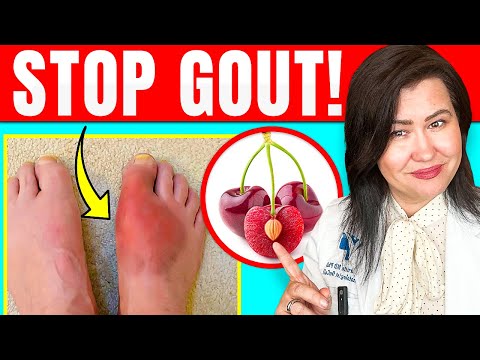
Hey there! So, let’s talk about something that might sound a bit weird but can be a total pain—wrist gout. Yep, that’s a thing! It’s like your body decided to throw a pain party right in your wrist, and trust me, it’s not a fun one.
Picture this: you’re just chilling, maybe scrolling through your phone or stirring your morning coffee, and suddenly—ouch! Your wrist feels like it’s on fire. Crazy, right? That’s gout for you.
But don’t worry! There are some innovative solutions out there to help ease that nasty pain. Whether you’re looking for home remedies or cool new treatments, we’ve got you covered. Let’s dive into this together!
Discover the Miracle Drug for Gout: Effective Treatments and Management Strategies
Gout can be a real pain, literally. It’s that pesky condition where uric acid builds up in your blood and forms crystals in your joints, making them swell and hurt like crazy. And if you’re one of the lucky ones who gets it in your wrist, you know how frustrating that can be! So let’s chat about some ways to manage this.
Understanding Gout is key. When you have gout, it’s often due to high levels of uric acid. This could happen for various reasons, like diet and genetics. But don’t worry; there are ways to deal with it.
- Stay Hydrated: Drink lots of water! Keeping hydrated can help flush out that pesky uric acid.
- Watch What You Eat: Some foods can trigger attacks. Red meats and seafood are common culprits, so maybe cut back on those.
- Limit Alcohol: Yup, sadly, booze can raise uric acid levels too. You might wanna save the drinks for special occasions.
- Pain relief options: Over-the-counter medications like ibuprofen or naproxen might help ease the pain. Just remember to chat with a healthcare person before diving into any treatment!
You know the other day I was talking to a friend who’s been dealing with wrist gout. He mentioned ice packs helped shrink the swelling right after an attack. Sometimes simple things work wonders!
Long-term management involves adopting healthy habits that keep those uric acid levels in check over time. Regular exercise and maintaining a healthy weight can make a big difference.
The thing is, while these suggestions are pretty common knowledge for folks dealing with gout, they’re not substitutes for medical advice. Every case is unique! So if you’re feeling stuck or if the pain doesn’t go away, it’s best to reach out to a healthcare professional who knows their stuff.
You got this! Remember that managing gout takes time and adjustments, but there are definitely ways to make living with it easier!
Discover the 10-Minute Gout Cure: Fast Relief and Effective Solutions
So, you ever heard of gout? It’s this annoying condition that can flare up and cause some serious pain, especially in places like your wrist. Gout happens when there’s too much uric acid in your body; this can lead to crystals forming in your joints, and trust me, it can be a real drag. Now, while we can’t say there’s a magic cure, I want to share some quick tips that might help ease that pesky discomfort.
First off, keep an eye on what you’re eating. Certain foods are known to trigger gout attacks. Try to avoid:
- Red meats
- Sugary drinks
- Seafood
If you’re munching these often, it could be time for a little food makeover! Sometimes even just a few tweaks can help manage those uric acid levels.
Next up, hydration is key! You know how they say water is life? Well, it’s pretty true. Staying hydrated can help flush out excess uric acid from your system. Aim for that classic eight glasses a day—or more if you can manage it!
I’ve heard from friends who’ve suffered with wrist gout, and one of them swears by soaking their wrist in cool water or applying ice packs. Seriously, the relief they get from just cooling down those inflamed joints seems worth trying if you find yourself in pain.
Also, don’t forget about moving! Gentle stretches might sound counterintuitive during an attack but keeping things moving gently can sometimes help reduce stiffness.
Some people have had success with over-the-counter pain relievers too—like ibuprofen—just remember not to go overboard and always check with someone who knows their stuff whenever you’re feeling unsure.
And let’s not forget about the power of rest! Giving yourself some time off from activities can allow those angry joints to chill out and recover.
A nice warm bath? That could also become your best friend during these flare-ups! It’s like giving your whole body a big hug—which sounds kinda nice right?
The thing is: while these suggestions might bring some comfort or relief for wrist gout, they’re not a substitute for chatting with a healthcare pro. Gout can be tricky; what works for one person may not work for another. Always good to keep seeking advice from someone qualified!
So there you have it—a few friendly ideas to make living with wrist gout just a tad easier. Remember to stay informed and don’t hesitate to reach out for professional help when needed!
Effective Strategies for Immediate Gout Pain Relief: Tips and Remedies
So, let’s chat about gout, shall we? If you’ve ever had a flare-up, you know it can totally throw your day off. I mean, the pain can feel like stabbing silverware in your joints. Ouch! But don’t worry; there are some things you might find helpful for immediate relief—especially if it’s hitting your wrist.
First off, one of the best moves is to ice the affected area. Seriously, cold packs can be amazing. Wrap some ice in a cloth and keep it on your wrist for 15–20 minutes. It doesn’t just feel nice; it helps reduce swelling too!
You could also try elevating your wrist. Just prop it up on a pillow when you’re sitting or lying down. This can help lessen the pressure and make things feel a bit better too.
Another little helper? Stay hydrated. Drinking lots of water might ease some discomfort and keep things flowing in your system. Aim for around 8 cups a day—your body will thank you!
Resting the joint is super important as well! Move it less if you can until the pain goes down. Trust me, your wrist will appreciate some downtime.
And hey, if you’re into natural remedies, consider ginger tea. Ginger has anti-inflammatory properties and might help soothe that painful throb.
Finally—and this is key—keep an eye on what you’re eating. Avoiding high-purine foods like red meat and shellfish could save you from future flare-ups!
So remember: ice it, elevate it, hydrate a ton, rest well, sip that ginger tea, and watch what you eat! You’re not alone in this; many folks deal with gout flares now and then. Just keep these tips in mind next time that pain kicks in! Of course, always chat with a healthcare pro for tips tailored just for you—these ideas are just friendly suggestions!
Fast-Acting Gout Pain Relief Tablets: Effective Solutions for Immediate Discomfort
Gout pain can really hit you out of nowhere, right? One moment, you’re living your life, and the next—bam! That sharp discomfort in your wrist makes even lifting a glass feel like a huge task. Ugh! So let’s chat about some fast-acting gout pain relief tablets that might just help you feel better quickly.
First off, when you feel that familiar ache, it’s often caused by crystal buildup in the joints. Ouch! These crystals form from an excess of uric acid in your bloodstream. When things start hurting, you want something that works quickly. That’s where those *fast-acting tablets* come in!
Some options may include non-steroidal anti-inflammatory drugs (NSAIDs). You know the ones—like ibuprofen. They might help reduce inflammation and ease your pain pretty swiftly. Seriously, some people say they feel relief within just a couple of hours!
Another type of medication is colchicine. This one is super useful as well. It works by interrupting the pain signal and helping with inflammation. People often find it effective for sudden gout flares. Just keep in mind that everyone reacts differently, so what works for one person might not work for another.
Now let’s not forget about some older remedies, which have been around for ages but still get the job done. Over-the-counter options can sometimes work wonders for minor flares too.
Well now, here’s something to consider: if you’re prone to these flare-ups, it’s always smart to talk to a healthcare professional about longer-term strategies along with those quick fixes.
Here’s a quick recap of what we’ve covered:
- NSAIDs: Like ibuprofen; helps ease pain quickly.
- Colchicine: Interrupts pain signals; effective during flare-ups.
- Over-the-counter options: Handy for minor discomfort.
So there you go! Fast-acting options are out there for those annoying moments when gout decides to crash your day. Just remember to keep chatting with a healthcare pro about what’s best for your situation because they really know their stuff!
So, let’s chat about wrist gout for a minute. If you’ve ever experienced that stabbing pain or felt like your wrist is on fire, then you know how serious it can be. I mean, who wants to deal with their wrist swelling up like a balloon, right? It can really mess with your day-to-day life, from simple tasks like typing to picking up a cup of coffee. Ugh!
I remember my buddy Mark had a rough time with this. One night, we were hanging out, and he suddenly went pale after trying to grab some snacks. His wrist was all puffy! We joked about it—because that’s just what friends do—but underneath all the laughter, I could see he was really struggling. It made me realize how tricky these kinds of conditions are.
Now, there’s some buzz about new ways to find relief from this kind of pain. While it’s super important to talk to someone who knows their stuff (you know, doctors and professionals), there are some interesting things out there that people are trying.
Some folks swear by weight management or changing their diet—like cutting down on foods high in purines which can trigger gout attacks. Think red meats and seafood—yikes! Others have found success with staying hydrated; drinking water can help flush out those pesky uric acids causing the trouble in the first place.
You might also hear about using ice packs or heat pads to soothe that inflammation when it pops up. Honestly, I’ve tried ice on sore muscles before and totally love how refreshing it feels! And did you know that some people even go for acupuncture? Sounds wild but hey, if it helps someone find peace from that gnawing pain—I’m all for it!
Of course, there’s also medication that some need when the pain gets unbearable—a doctor will know what suits your situation best. But hey, innovation doesn’t just stop at meds! There are splints or braces designed specifically to support your wrists while they heal and regain strength.
Anyway, if you’re feeling lost or fed up with the discomfort of wrist gout (or any kind of gout), remember you’re not alone in this struggle. Reach out for help and explore different solutions because finding what works can really change your quality of life! And don’t forget: listening to your body is key—it always knows best what you need!
