

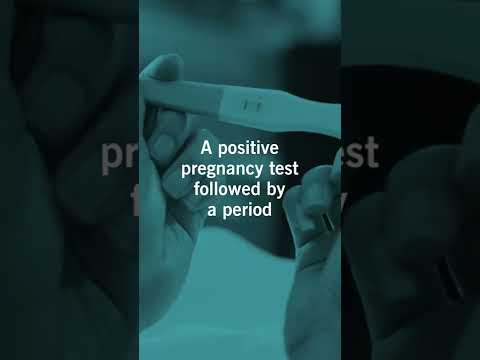
Hey there! So, you might be wondering what a chemical pregnancy is, right? Well, it’s not the easiest thing to talk about. But if you’re on the journey of trying to conceive, knowing what to watch for can be super helpful.
Picture this: you’ve got those two pink lines on a test. Excitement rushes in! But then? A few days later, it all fades away. That’s what a chemical pregnancy is like—a brief moment of hope that doesn’t stick around.
In this chat, we’ll dive into the signs. I mean, spotting them can really help you understand what’s happening with your body. And hey, it’s totally normal to have questions or feel confused about it all. Trust me, you’re not alone!
So grab your favorite drink and let’s dig into those clues together. You might just find it comforting to know a bit more about what’s going on behind the scenes!
Understanding Chemical Pregnancies: Key Signs to Watch For and When to Seek Help
Hey there! So, let’s chat about something that can be pretty tricky to wrap your head around: chemical pregnancies. You might have heard the term tossed around, but what does it really mean? Well, a chemical pregnancy is when an embryo starts to develop but then doesn’t stick around for long. It usually happens very early, often before you even realize you’re pregnant.
Key signs to watch for:
- Early positive pregnancy test: This is often the first sign. You might get a faint line or a positive result on a home test. Exciting, right?
- Heavy bleeding: This can happen soon after that positive test. Some people might mistake it for a late period.
- Cramping: If you’re feeling cramps that feel stronger than usual, it could be another indicator.
You know, I remember when my friend was super excited after taking her test and getting a positive result. She was already daydreaming about baby names and nursery colors! But then came the heavy bleeding and cramping just days later. It was heartbreaking for her when she learned it was a chemical pregnancy.
So, when should you seek help? If you notice any of the signs above and feel anxious or unsure about what’s happening with your body, don’t hesitate to reach out to a healthcare professional. They’re there to help sort through these feelings and provide guidance tailored just for you.
The thing is, while chemical pregnancies are pretty common and often just part of the natural process of conception, they can be emotionally tough. Remember, it’s okay to talk about it and seek support!
If you’re ever in doubt or feeling overwhelmed by this whole thing (which is totally normal), check in with someone who knows their stuff! They can help clear up any confusion that’s nagging at you.
Understanding Chemical Pregnancy: Key Steps to Take If You Suspect You’ve Experienced One
Well, hey there! So, let’s chat about something that can be a bit confusing: chemical pregnancy. You might have heard the term thrown around, and honestly, it can feel like a rollercoaster of emotions if you suspect you’ve experienced one. Chemical pregnancy refers to a very early loss of a pregnancy, typically before the fifth week. Many women don’t even realize they were pregnant since it can happen right after a missed period or even when they’re testing positive for pregnancy.
You know what’s wild? Sometimes people get excited about those two pink lines only to find out their body wasn’t quite ready for that little bundle of joy. The whole thing can feel pretty heavy. If you think you might have gone through this, here are some signs and key steps you might want to consider:
Signs You Might Be Experiencing a Chemical Pregnancy:
- Light bleeding or spotting: This can happen quite early on.
- Cramping: Some mild cramps may occur as your body adjusts.
- A positive pregnancy test followed by a negative one: Those first tests can be deceiving sometimes!
Now, if you’re feeling like this might be your situation, here’s what to do.
Key Steps to Take:
- Stay calm: I know that’s easier said than done! But stressing won’t help.
- Keep track of symptoms: Write down what you’re experiencing; this will help when talking with a healthcare professional.
- Talk to someone: Whether it’s friends, family or even an online community—don’t go through it alone!
- Consult with your doctor: Seriously, they’re the ones who can give you real answers and support.
It’s super important to remember that this isn’t something you did wrong. Your body sometimes just needs time to adjust before taking on the next steps in your journey. Reaching out for support from others who understand can really make a difference.
Anyway, take care of yourself—emotionally and physically—and know there’s always light at the end of the tunnel!
Understanding Ultrasound Results: Do Chemical Pregnancies Show Up on Imaging?
So, you’re diving into the world of ultrasounds and chemical pregnancies, huh? Let’s break it down nice and easy!
First off, what’s a chemical pregnancy? It sounds fancy, but it’s basically a very early pregnancy loss that happens right after implantation. Most women don’t even realize they were pregnant. It’s like a tiny blip on the radar. You may have had all the hormonal changes going on, but by the time you test positive, things aren’t sticking around for long.
Now, here comes the ultrasound part. Do chemical pregnancies show up on imaging? Well, here’s the thing: typically, they don’t! Since these pregnancies are so early—often before you’d even reach five weeks—the embryo is usually too small to be detected on an ultrasound.
- The imaging might only show the lining of your uterus thickening because of those lovely hormones.
- You might see nothing at all if it’s super early.
- If there was any sign of pregnancy tissue (which is rare), it would usually just be a faint hint—kind of like finding a ghost!
I once chatted with a friend who was confused after seeing a positive test and then nothing during her ultrasound. She felt lost and worried! Turns out, she had experienced a chemical pregnancy without even knowing it beforehand. She was relieved to understand that what happened isn’t uncommon at all.
It’s totally normal to have questions about what shows up or doesn’t. But remember, ultrasounds are just one piece of the puzzle. If something feels off or if you’re having concerns about your health or pregnancies in general, connecting with a healthcare professional is always best—they’ve got the tools to give you proper insight.
So now you’re armed with some knowledge! Just keep this info handy and feel free to share it with any friends who might need some clarity too!
Essential Tests to Confirm a Chemical Pregnancy: What You Need to Know
So, let’s chat about chemical pregnancies. If you’ve heard this term tossed around, you might be wondering what it means and how it’s confirmed. Basically, a chemical pregnancy is when an embryo implants in the uterus but doesn’t develop enough to be detected on an ultrasound. It can be a bit of a roller coaster—maybe you get excited about a positive pregnancy test, only to find out later that it didn’t stick.
When it comes to figuring out if you’re experiencing a chemical pregnancy, there are some essential tests that might come into play. Remember though, this isn’t something to diagnose yourself with; always check in with a healthcare professional if you have concerns!
Here are some key tests and signs to consider:
- Home Pregnancy Tests: These can pick up early signs of pregnancy by detecting hormones in your urine. It’s like your first clue! But keep in mind, if the test turns negative after initially being positive, it could be pointing towards a chemical pregnancy.
- Blood Tests (hCG levels): A blood test measures the amount of hCG (that’s human chorionic gonadotropin) in your bloodstream. In a healthy pregnancy, those levels rise steadily. If they plateau or drop after an initial rise, that could indicate something’s up.
- Ultrasound: If you get to this step and still have concerns, an ultrasound may be done later on—usually around the 5th or 6th week of pregnancy. This can show whether there’s any visible gestational sac or embryo.
Sometimes women notice symptoms like light bleeding or early cramping; these can also happen during this type of pregnancy loss. It’s totally emotional—you might feel hope one moment and then confusion the next.
Remember, if you suspect anything strange going on with your body or your test results aren’t clear-cut, reach out to someone who knows their stuff! Your health matters more than anything else. Just keep it real—know what tests are available and don’t hesitate to ask questions along the way!
So, let’s chat about chemical pregnancies for a sec. It’s that tricky little term that can leave people scratching their heads. You know, I remember talking to a friend who went through it and how bewildering it was for her. One minute, she was excited about the possibility of being pregnant. The next minute, everything changed, and she felt like she was on a rollercoaster of emotions.
A chemical pregnancy happens when a fertilized egg implants in the uterus but doesn’t stick around long enough to develop into something more substantial. It’s called “chemical” because you might get a positive pregnancy test—it’s real for a moment! But then, bam! Mother Nature has other plans. Most folks don’t even realize they’ve had one since it occurs pretty early on, sometimes before you even miss your period.
Now, what should you keep an eye out for? Well, some tell-tale signs can hint at what’s going on. You might notice some light spotting—like just a few drops of blood or brown discharge—which can feel alarming but isn’t unusual. And cramping? Yeah, that can happen too! It might feel like your period is about to show up fashionably late.
Then there’s the emotional side of things. Even if it seems “just” a chemical pregnancy, those feelings are real and valid. You might swing from happiness to confusion and sadness pretty fast—it’s just how life rolls sometimes.
If you’re testing early and see that faint line or barely there positive result? Don’t take all those pink lines at face value right away; it’s wise to wait for your body to confirm what’s really happening. If things don’t pan out as expected and your period shows up soon after? That’s often when people start realizing they may have experienced one.
Ultimately, while we chat about this stuff casually—just like I’m chatting with you right now—it’s super important to remember that if you’re dealing with any doubts or heavy emotions around this topic, just reach out to someone who gets it or even speak with a healthcare provider. Your feelings matter!
