

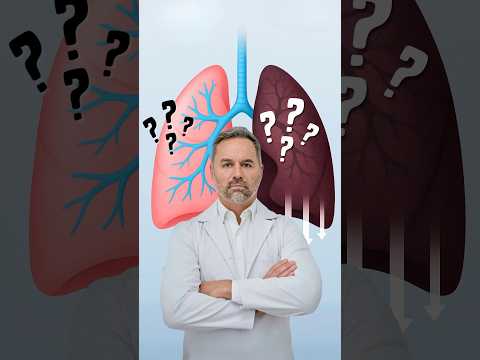
You know that feeling when you can’t catch your breath? It’s super scary, right? Well, for people with COPD, that’s an everyday struggle. Chronic Obstructive Pulmonary Disease isn’t just about wheezing and coughing; it’s way more complicated than that.
So, what causes this pesky condition? Guess what—there are some hidden triggers lurking around us all the time. Things we might not even think twice about! And finding out what these are can make a huge difference in how someone feels.
Let’s dive in and uncover those sneaky culprits together. Who knows? You might just learn something that helps a loved one—or even yourself!
Overcoming Daily Challenges: Two Common Tasks That Individuals with COPD Find Difficult
If you or someone you know is dealing with COPD, you might have noticed some daily tasks that feel like climbing a mountain. Chronic Obstructive Pulmonary Disease often makes simple activities a real challenge. Let’s dive into two tasks that many folks with COPD struggle with.
1. Climbing Stairs: Picture this: You’re at home, and the phone rings. It’s on the second floor, and suddenly it feels like you just signed up for an Olympic event! Climbing stairs can leave someone with COPD feeling winded and gasping for air. This is because their lungs simply can’t work as efficiently as they used to. When it comes to tackling stairs, many find it easier to take things slow or even use ramps where possible.
2. Carrying Groceries: Ah, grocery shopping! It’s a chore we all love—and hate—right? For people managing COPD, lifting those heavy bags can really sap their energy. Breathing becomes harder when you’re trying to haul around a week’s worth of food. A good trick might be to split the load into smaller bags or ask for help when available. Remember that every little bit helps!
Of course, these aren’t just random facts; they impact real lives every day. If you’ve ever felt that exhaustion while doing something so basic, you’re certainly not alone in this journey.
So yeah, daily activities can become tough for individuals dealing with COPD. And that’s why understanding these challenges matters—because awareness is the first step towards making things a little easier! Just remember, though: if you’re facing difficulties like this, reaching out to healthcare professionals is always a good move.
Unlocking the Secrets to Thriving with COPD: Essential Tips for Improved Lung Health
Hey there! If you or someone you know is dealing with Chronic Obstructive Pulmonary Disease (COPD), it can feel a bit overwhelming. But let me tell you, understanding this condition and finding ways to thrive with it can really make a difference. So, let’s dive into some essential tips for improved lung health!
First things first, be aware of what might trigger your symptoms. Hidden triggers can sneak up on you and cause flare-ups. Some common culprits include:
- Air pollution: Smoggy days or heavy traffic can irritate your lungs.
- Smoke: Whether it’s from cigarettes or wood-burning stoves, smoke is no friend to your lungs.
- Pollen and Dust: Allergens can make breathing tricky, so keep an eye out during allergy season.
You know, when my grandma was diagnosed with COPD, little things like smoke from the fireplace used to bother her way more than I realized. It’s those everyday things that really affect her breathing! So staying aware of these triggers is super important.
Another key to thriving with COPD is having a healthy lifestyle. Eating right and staying active can work wonders for your lungs. Consider these points:
- Nourishment: Eating a balanced diet rich in fruits and veggies can provide those nutrients your body needs.
- Exercise: Light and regular physical activity helps strengthen your lungs over time. Think walking or gentle yoga!
If you’re considering exercise, talking to a healthcare professional for personalized advice might be really helpful. Having that reassurance makes all the difference!
You should also think about creating a lung-friendly home environment. This means keeping your space clean and free of dust or mold where possible. A few ideas include:
- Avoid strong chemicals: Try using natural cleaning products instead.
- No indoor smoking:You want to keep the air as clear as possible.
Coping with COPD isn’t just about managing symptoms; it’s about living your best life too! Connecting with support groups or even finding friends who understand what you’re going through can be incredibly uplifting.
The thing is, taking small steps towards understanding triggers and making healthier choices can lead to feeling better overall. Remember, though—it’s always wise to reach out to professionals about any specific health concerns you have!
Soo yeah! Keep these tips in mind as you navigate life with COPD—you’ve got this!
Understanding the Three Primary Causes of COPD: A Comprehensive Guide
Hey there! So, let’s chat about something that doesn’t get as much limelight as it should: COPD. You might’ve heard the term tossed around, but what actually causes it? Well, there are three main culprits that really stand out. Ready to dive in?
1. Smoking: This one’s a biggie. If you smoke or have smoked in the past, your lungs can take quite a hit. It’s like playing a game of tug-of-war with your breath! When you inhale cigarette smoke, you’re introducing a bunch of harmful chemicals into your lungs. Over time, this can lead to inflammation and damage. Think about how hard it is to breathe when you’re running or laughing too much; now imagine that feeling all the time.
2. Air Pollution: Now, let’s step outside for a sec. If you live in an area with heavy traffic or industrial pollution, your lungs might not be super happy with you. Just like how smog can sting your eyes, bad air can make breathing harder too! Long-term exposure to polluted air can irritate your lungs and contribute to COPD.
3. Genetic Factors: Some people have more sensitive lungs than others—thanks to their genes! If there’s a family history of lung diseases, you might be at higher risk for developing COPD yourself. It’s kinda like inheriting your aunt’s love for knitting or your dad’s bad joke skills: some things just run in the family.
So there you have it: smoking, air pollution, and genetic factors are the primary causes of COPD! Understanding these triggers is super important because knowledge is power—you want to keep those lungs healthy!
Of course, if you have questions about this stuff and how it may relate to you or someone else, chatting with a healthcare professional is always a solid move.
Understanding the Duration of COPD Flare-Ups: What You Need to Know
So, let’s talk about COPD flare-ups. Chronic Obstructive Pulmonary Disease isn’t just a mouthful; it really can complicate life. When you have COPD, your lungs aren’t as happy as they should be. They can get inflamed and may struggle to do their job during flare-ups. But how long do these flare-ups last? That’s what we’re diving into!
A flare-up is basically when your symptoms get worse. You might feel more breathless than usual or maybe even have a cough that just won’t quit. The duration of these flare-ups can vary. Sometimes they might last only a few days, but other times it could stretch into weeks. Yup, that’s right! It really depends on several factors.
- Triggers: Everyone has different triggers. These could include things like pollution, cold weather, or even a cold that sneaks in on you.
- Your Health: If you’re generally feeling okay and keeping up with your care plan, you’re likely to bounce back faster.
- Type of Flare-Up: Some episodes are minor hiccups while others can hit hard; severity plays a huge role in how long they stick around.
I remember my friend Mia who has COPD. She once had a bad flare-up after visiting a smoky restaurant—ugh! She was out of commission for almost two weeks because her lungs were furious with her. That experience made her realize how crucial it is to recognize those triggers and avoid them like the plague!
You know what else is interesting? Sometimes medications kick in to help speed up recovery during these episodes, but everyone’s response varies. So what works for one person might not work for another—and that’s totally normal!
In the end, understanding your body and its signals is key! If you ever find yourself in the midst of a flare-up that’s lasting too long or feels unusually intense, definitely reach out to your healthcare provider for advice (they’ve got the real info!). Just remember: knowledge is power! And knowing more about what’s happening can help you feel a bit more in control.
Hey there! So, let’s chat about something that doesn’t always get the spotlight it deserves: COPD, or Chronic Obstructive Pulmonary Disease. It sounds pretty serious, right? And it is. But what’s even more intriguing are those sneaky little triggers that can make things worse for folks living with this condition.
Now, if you know someone with COPD, you might have noticed how they can sometimes struggle to catch their breath or get really winded after a short walk. I remember my neighbor, Mr. Thompson. He was this vibrant guy who could always be found tending to his garden. One day, I saw him sitting on his porch, looking a little defeated. Turns out he had COPD and didn’t even realize the things around him were making it harder for him to breathe.
So the thing is, common triggers can hide in plain sight. We often think of smoking as the main culprit—after all, that’s what we hear about most often—but there’s more to it. Air pollution is a biggie too! If you live in a city bustling with traffic or industrial areas, you might not notice how much the air can affect you until it hits hard.
And let’s not forget about allergens like dust mites or pet dander! Seriously! If someone has COPD and they’re around pets or in dusty places all the time, those cute furballs can become sneaky little troublemakers.
You might also be surprised by how weather changes play a role. Cold air? Hot and humid? Both can feel like an unwelcome party crasher for someone with COPD. I mean, think about it: have you ever gone outside on a really cold day and felt that sharp air hit your lungs? Ouch!
Plus, there’s indoor pollution too—cooking fumes from gas stoves or even mold in damp places at home can stir up all sorts of problems for respiratory health without anyone even noticing at first.
The reality is that living with COPD means becoming hyper-aware of these hidden triggers. You’ve got to be like a detective in your own life—figuring out what makes things harder and then trying your best to avoid them.
At the end of the day, it’s super important for anyone living with COPD (and their loved ones) to stay informed about what may impact their health—even if they’re just small things we wouldn’t usually think twice about. It can really make a difference!
So yeah, if you’re learning more about this stuff because you care about someone who has COPD—or maybe you’re just curious—know that every little bit helps. Being aware is half the battle! And while there’s still plenty we don’t know yet, shining light on these hidden triggers feels like an important step toward understanding and supporting healthier lives for everyone involved. Don’t forget—knowledge is power!
