

Hey there! So, let’s chat about something that’s been buzzing around lately—Chikungunya fever. Sounds kinda exotic, right? But it’s pretty real and can hit you like a freight train if you’re not careful.
Picture this: you’re enjoying a sunny day outside, and suddenly, bam! You’re aching all over, your joints are screaming, and you just feel…ugh. That’s the thing with Chikungunya; it sneaks up on you after those pesky mosquito bites.
But here’s the good news! There are cool new ways to keep track of it and even prevent getting sick. Yeah, seriously! From techy stuff to simple hacks we can do at home. So grab your favorite drink, and let’s dive into what makes this fever tick—and how we can keep it at bay together!
Understanding Chikungunya Fever Patterns: Insights into Symptoms, Transmission, and Prevention
Chikungunya fever is a viral illness that’s kinda sneaky. You might be wondering what it is or why you should care, right? Well, here’s the scoop. Chikungunya is transmitted mostly by mosquitoes, especially **Aedes aegypti** and **Aedes albopictus**. These little guys are really good at creeping up on you when you least expect it, usually during the day.
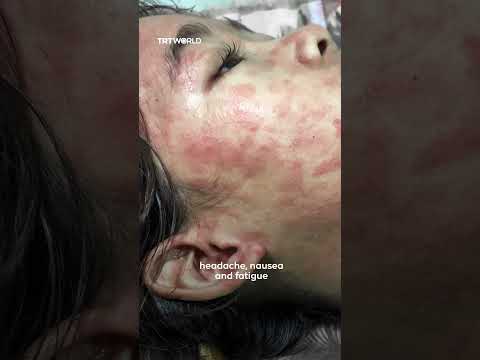
Symptom-wise, it usually hits you with a sudden fever that can make you feel like you’ve been run over by a truck. Along with that fever, joint pain is super common. Some people say it feels like their joints are on fire! Other symptoms might include headaches and rashes. It can last for days—sometimes even weeks—which can be frustrating.
So how does this virus spread? If a mosquito bites someone who has chikungunya, it can then bite you and pass along the virus. It sounds so simple yet so troublesome! The thing is, once you’re infected, it’s not usually as contagious between humans—mosquitoes are key players here.
Now for prevention: There’s no vaccine for this one yet, so keeping those pesky mosquitoes away is crucial. Here are some things to think about:
- Wear protective clothing: Long sleeves and pants can help keep those bites at bay.
- Use insect repellent: Get one that contains DEET or another effective ingredient.
- Drain standing water: Mosquitoes love to breed in stagnant water sources like puddles or flower pots.
- Use screens: Make sure windows and doors have screens to keep mosquitoes outside where they belong.
It’s all about staying aware and taking those extra steps to protect yourself. I remember a friend who went on vacation in an area where chikungunya was popping up everywhere. She kept getting bit despite trying everything! It was such a bummer because she ended up feeling awful during her trip.
It’s important to stay informed but remember: if you think you’ve got symptoms or have been bitten, reaching out to healthcare professionals matters way more than any blog post can tell you!
Understanding the Life Cycle of the Chikungunya Virus: Key Insights and Implications
Chikungunya virus is one of those unexpected surprises that can really bring you down. It’s spread mostly through mosquito bites, particularly from the Aedes species. The whole thing can sound a bit complicated, but let’s break it down in a way that makes it easy peasy to understand.
Life Cycle of the Chikungunya Virus
The life cycle of this sneaky virus involves quite a few players. Basically, it starts when an infected mosquito bites you. Here’s how it goes down:
- Infection: You get bitten and the virus enters your bloodstream.
- Replication: Once inside, the virus starts to replicate, or make copies of itself. This can happen pretty quickly.
- Viral Spread: As it multiplies, it spreads throughout your body, especially targeting muscle and joint cells. That’s why those aching joints are a real telltale sign of chikungunya.
- Transmission: If another mosquito bites you while you’re infected, guess what? That mosquito can pick up the virus and pass it on to someone else!
It’s like this nasty game of tag where the last one standing feels pretty awful!
The Symptoms
Once you’re infected, symptoms usually show up around 3 to 7 days later. People often feel feverish with joint pain, which is no fun at all! Fatigue and headaches aren’t uncommon either; they just add to the whole experience.
This is where monitoring comes into play. It helps health experts know where outbreaks might happen and how to keep infections at bay.
Implications for Health
Understanding this life cycle is super important for preventing outbreaks and keeping communities safe. By knowing how chikungunya spreads, we can take steps like:
- Avoiding Mosquito Bites: Using repellent helps keep those little guys away!
- Reducing Standing Water: Mosquitos love stagnant water for breeding—so empty those flower pots!
- Sustainable Monitoring: New tech in monitoring mosquito populations means we can stay a step ahead.
So yeah, even though chikungunya can be a real pain (sometimes literally!), learning about its life cycle helps us figure out ways to dodge it. Remember though, this info isn’t a substitute for professional healthcare—always reach out if you’re feeling unwell!
Comprehensive Guide to Chikungunya: Symptoms, Treatment, and Prevention
So, let’s chat about **Chikungunya**. You might have heard of it, especially if you’ve been around places where mosquitoes love to hang out. It’s one of those viral infections that can really knock you off your feet for a bit.
What is Chikungunya? Well, it’s caused by the chikungunya virus, and it mainly spreads through the bite of infected mosquitoes, mainly the Aedes species. If you’ve ever had a fever that felt like a bad hangover—or worse—then you get the picture.
Symptoms can pop up pretty quickly after you’re bitten. The classic signs usually include:
- High fever: This can hit suddenly and may last for several days.
- Severe joint pain: Many people describe this as feeling like their joints are on fire.
- Muscle pain: Think of it as a full-body ache that just doesn’t quit.
- Headaches: These can be pretty nasty too.
- Rash: Sometimes, a rash appears after the fever starts.
And look, these symptoms can throw off your whole week—like when you plan to binge-watch that new show but end up stuck in bed instead.
Now let’s talk about **treatment**. Here’s the real deal: there’s no specific medicine to zap chikungunya away. You really just have to ride it out and manage those symptoms. Staying hydrated is key—seriously, think of water as your best friend during this time. Over-the-counter pain relievers might help ease those achy joints and headaches too.
As for **prevention**, this is where things get crucial. Since chikungunya is mosquito-borne, avoiding bites is super important. A few strategies include:
- Use insect repellent: This should be your go-to buddy whenever you’re outside.
- Avoid standing water: Mosquitoes love stagnant water spots; so keep an eye out!
- Screens on windows and doors: Keep them closed or use screens to block those pesky bugs from crashing your party.
Remember, all of this info doesn’t replace what healthcare professionals say. If you’re feeling under the weather or think you might have chikungunya, reaching out to a healthcare provider is always smart.
So there you go! Chikungunya isn’t something to take lightly. But with some know-how on symptoms and prevention strategies, you’ll be better prepared to dodge this little nuisance!
Essential Tips: What to Avoid During Chikungunya Recovery
So, you’ve gone through chikungunya and are on the mend? That’s great! But recovery isn’t just about feeling better; it’s about making sure you do it right. Here are some essential things to avoid during your recovery.
First off, let’s talk about rest. You might feel a bit like Superman after a few days, but don’t rush back into your usual routine. Your body needs time to heal! Push yourself too hard, and it could lead to setbacks.
- Avoid strenuous activities. It’s tempting to jump back into sports or heavy workouts, but take it easy for a while. Gentle stretching or short walks can be good!
- Stay away from alcohol. Booze might seem like a way to celebrate feeling better, but it can dehydrate you and slow down recovery. Pass on the drinks for now.
- No skipping meals. Eating nutrient-rich foods helps your body rebuild. It’s not just about eating less; it’s about eating right!
- Avoid stress. I know, easier said than done! But stress can mess with your immune system. Try meditating or just chilling out with a good book!
- Don’t ignore symptoms. If something feels off—like joint pain that just won’t quit—reach out to a healthcare professional. Better safe than sorry!
Remember that everyone recovers at their own pace, so don’t compare yourself to others. My friend Sarah went through chikungunya last summer and she thought she was ready after two weeks! But she ended up needing more time because she pushed herself too hard way too soon.
At the end of the day, listening to your body is key. If you take it easy and follow these pointers, you’ll be back on track in no time! Just keep in mind that this info doesn’t replace professional healthcare advice; always check in with your doctor if you have concerns.
You know, when you hear about chikungunya fever, it can seem a bit overwhelming. It’s one of those diseases that just sounds scary. I remember chatting with a friend whose family went through it last summer. They were all excited to go on vacation, but it turned into an ordeal when they ended up with high fevers and those awful joint pains. It’s such a bummer when a trip turns into something like that.
But here’s the thing: even though chikungunya can hit hard, people have been stepping up their game in monitoring and prevention, which is pretty cool if you ask me. Seriously! With technology advancing so fast, there are now apps and systems that help keep track of outbreaks in real-time. Imagine having the power of information right at your fingertips? You could check if there’s an uptick in cases before planning your tropical getaway to avoid those pesky mosquitoes.
And talking about prevention, I can’t help but admire communities coming together to tackle this challenge. They organize clean-up days to get rid of standing water where mosquitoes breed—how awesome is that? It’s like a neighborhood party with purpose! The more we share knowledge about protecting ourselves from bites—like using repellents or wearing long sleeves—the better off we all are.
Of course, while these innovations are exciting and helpful, it’s super important to remember that none of this replaces professional healthcare advice. So if you suspect you’ve come down with something weird after a trip, don’t hesitate to reach out to someone who knows their stuff!
All said and done, despite the seriousness of chikungunya fever, seeing how technology and community action are stepping up makes living with this reality feel a little less daunting. It shows that we’ve got each other’s backs—and that’s definitely something worth cheering for!
