

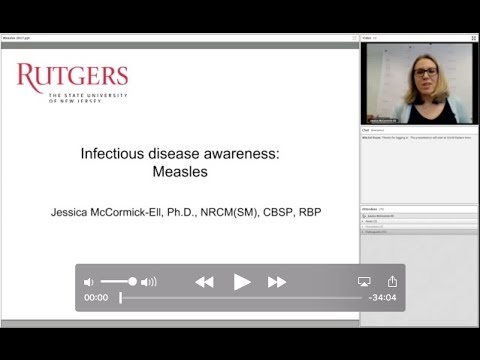
Hey there! So, let’s talk about something that’s been buzzing around lately—measles. Yeah, I know. It sounds a bit old school, right? But hold on, it’s still a big deal.
Remember those scary stories your parents told you about contagious diseases? Well, measles is one of them. It can spread like wildfire. Seriously!
Now, here’s the thing: there are some cool innovations in how we protect ourselves and spread the word about it. It’s not just about shots; it’s also about awareness!
In this chat, we’ll dive into what measles really is and how new ideas are making sure fewer people get sick. Intrigued? Let’s get into it!
Essential Measles Precautions for Hospitals: Ensuring Patient Safety and Infection Control
Alright, let’s chat about measles and how hospitals can keep everyone safe from this disease. If you’ve ever heard a child crying in the waiting room, you know hospitals are busy places. They’re also places where germs can spread like wildfire, especially with something as contagious as measles.
First off, **measles is super contagious**. It spreads through coughs and sneezes—like a sneezy ninja! If someone who has measles walks into a room, guess what? Those little virus particles can stick around for up to two hours. So, keeping that in mind, here’s how hospitals work to keep patients safe:
- Vaccination: Hospitals stress the importance of the MMR vaccine (that’s measles, mumps, and rubella). It creates a wall of protection against these illnesses.
- Screening Patients: When you arrive at a hospital, they often ask about your vaccination history or if you’ve had any symptoms of measles. This helps catch potential cases before they spread.
- Isolation Precautions: Any suspected measles case is quickly isolated from others to prevent cross-infection. They might put them in special rooms designed just for that!
- PPE for Healthcare Workers: Staff wear personal protective equipment—like masks and gowns—to avoid catching or spreading the virus while caring for patients.
- Education & Awareness: Hospitals educate families about symptoms and prevention methods because knowledge is power! This way, everyone knows what to look out for.
You know how some kids are really good at sharing their toys? Well, not all sharing is good! The same goes for germs. Measles can be particularly dangerous for young children or people with weakened immune systems.
Another thing that keeps hospital environments safe is strict cleaning protocols. Surfaces need to be wiped down often; think about it like keeping your home tidy so you don’t get sick.
Anyway, it’s all about teamwork in hospitals—from caregivers to families—they all play a part in keeping each other safe from measles. And it’s not just about treating illness; it’s also about **preventing it** in the first place.
So remember: vaccination is key! Just as important is recognizing symptoms early on and making sure that healthcare facilities take strong precautions. That way we protect each other while getting the help we need—what could be better than that?
Essential PPE Guidelines for Measles Precautions: Protecting Health and Safety
Hey there! So, you’ve probably heard about measles, right? This highly contagious virus can spread like wildfire. That’s why it’s crucial to know how to stay safe. One big piece of that puzzle is personal protective equipment, or PPE. Let’s dive into some essential guidelines!
First off, if you’re working in healthcare or caring for someone suspected of having measles, wearing appropriate PPE is a must. This includes:
- Face masks: A high-quality surgical mask can help protect you from airborne droplets.
- Goggles or face shields: These add an extra layer of security for your eyes.
- Gloves: Wear them whenever you’re in close contact with an infected person.
- Gowns: If you’re handling potential exposure situations, a gown can be really helpful.
You might be wondering: why all this fuss? Well, measles can stay in the air for up to two hours after an infected person has left the room. Crazy, right? That means even being nearby could put you at risk.
A little while back, I remember my friend Jess getting worried when her kid’s class had a measles outbreak. She stressed about keeping her family safe without freaking out too much. Once she understood the importance of PPE and vaccination as part of protection against measles, it helped her feel more at ease and empowered her to share info with other parents.
So here’s the deal: PPE is important for preventing infection but don’t forget about vaccines! Staying updated on vaccinations is key in keeping both yourself and those around you healthy. And remember, this information isn’t a substitute for professional healthcare advice—always check with a health expert for questions specific to your situation!
In summary, being aware and prepared can go a long way in protecting your health during a measles outbreak. Stay smart and stay safe!
Understanding Measles Quarantine Guidelines from the CDC: Key Insights and Recommendations
So, let’s chat a bit about measles quarantine guidelines from the CDC. I know it sounds a bit serious, but it’s super important to get this right. Measles is one of those old-school diseases that can hit hard if you’re not prepared, and understanding the quarantine stuff is key to keeping everyone safe.
What is Measles?
Measles is a highly contagious viral infection. It spreads through coughing and sneezing, and you can catch it just by being in the same room as someone who has it. Crazy, right? Sometimes, you might not even realize you’ve been exposed until several days later.
When Should You Quarantine?
If you or someone you’ve been around shows symptoms like fever, cough, or that telltale rash, it’s time to take action. The CDC suggests quarantining for at least four days after the rash appears. This helps prevent further spread.
Guidelines for Quarantine:
- If you’re not vaccinated against measles and have been in contact with someone infected.
- If you log any symptoms related to measles.
- If instructed by a healthcare professional or public health authorities.
And here’s something important: if you’re already vaccinated or have had measles before, you’re generally in the clear! That means if there’s an outbreak but your immune system has been trained to tackle it—yay for vaccines!
Duration of Quarantine:
Typically, quarantine starts from the last day you were exposed up until four days after the rash appeared on someone infected. That means if exposure was on a Monday, and they got sick on Wednesday with symptoms—not cool! You’ve got some waiting to do.
Why Quarantine Matters:
Seriously, no one likes being told they can’t go out and hang with friends. But it protects those who are vulnerable—like babies too young to be vaccinated or people with weakened immune systems. Think of the bigger picture!
So remember: staying informed about measles guidelines helps everyone stay safe! It’s also about spreading awareness (not the disease!). If you’re ever unsure or worried about measles exposure, chatting with a healthcare provider is super important. They’re your go-to source for reliable info!
Anyway, stay safe out there!
Understanding the Measles Virus: Transmission, Symptoms, and Preventive Measures
Hey there! Let’s chat about the measles virus. You might have heard about it, but do you really know what it is? Well, measles is a highly contagious virus that can spread pretty quickly. It can cause some serious health issues, so being aware of it is super important.
Transmission is one of the biggest concerns with measles. The virus can spread through tiny droplets when someone infected coughs or sneezes. Can you believe that it can linger in the air for up to two hours after they’ve left? Yikes! So if you breathe that air or touch something they’ve contaminated, like a doorknob, you could catch it.
Now, let’s talk about symptoms. You might start off feeling like you’ve got a cold—think runny nose and sore throat. But soon enough, those spots will show up. Most folks get a red rash that usually starts on the face and spreads downwards. Fever and sensitivity to light are also common. It’s kind of like your body throwing an all-out party against the virus!
So, how do we keep this pesky virus at bay? Well now, that’s where preventive measures come in! The most effective way to protect yourself is through vaccination. Most kids get their measles shots as part of the MMR vaccine (measles, mumps, rubella). Seriously, getting vaccinated not only helps you but keeps others safe too!
- Get vaccinated: Make sure you’re either vaccinated or have had measles before.
- Avoid close contact: If someone around you has measles, it’s best to steer clear until they’re better.
- Wash your hands frequently: Soap and water are your best pals in preventing germs from spreading.
You know what? I remember chatting with a friend whose little brother caught measles when he was young. It was such a tough time for them; he had to miss school and all his friends weren’t allowed to hang out with him until he was better! This just goes to show how important awareness and prevention really are.
The thing is, understanding the measles virus helps us take action and protect ourselves and those around us. Between vaccinations and simple hygiene practices, we’ve got some solid tools in our toolbox! Just remember, if you’re ever unsure about anything health-related—reach out to a healthcare professional. They’re the real experts!
You know, measles feels like one of those diseases from a different era. I mean, when was the last time you heard someone say they had measles? It’s not like it used to be, right? Back in the day, it was pretty common, and people didn’t always take it seriously. I remember my grandma telling me about how she had it as a kid. She said everyone ended up with spots, and some even got super sick—some even worse things! But honestly, nowadays we’ve made huge strides in keeping people safe.
So here’s the thing: innovation really changed the game for measles. Vaccines are like the superheroes of disease prevention! The MMR vaccine—measles, mumps, and rubella—is what really kicked in to help keep measles at bay. I mean, before vaccines became widespread, millions of kids would catch measles each year across the globe. That’s just wild to think about! And guess what? With effective vaccination programs and more awareness, we’ve seen significant drops in cases.
But it’s not all smooth sailing. Even with these advancements, there are still pockets where misinformation about vaccines hangs around like an unwanted guest at a party. You know what I mean? Some folks still question their safety or effectiveness. It’s frustrating because we have so much proof that vaccines save lives! For instance, did you know that just one dose of the MMR vaccine is about 93% effective in preventing measles? Like wow!
And then there’s awareness campaigns that play a massive role too. Social media can be a double-edged sword sometimes—great for spreading information but also misinformation. Yet it’s also been used to promote vaccine awareness effectively. I stumbled upon this heartwarming story on Instagram where parents shared their experiences after getting vaccinated as kids and how they now protect their children by getting them vaccinated too. Those personal touches can really resonate!
It’s kind of cool to see how far we’ve come but also a bit nerve-wracking knowing we can still face outbreaks if folks don’t get on board with vaccination efforts. When you think about it honestly—it’s all about community health and protecting those who can’t be vaccinated yet for various reasons.
At the end of the day, understanding measles and its prevention through innovation gives us hope but also reminds us that knowledge is power! So let’s keep chatting about vaccines and making sure everyone knows just how important they are because nobody wants those pesky spots showing up again!
