

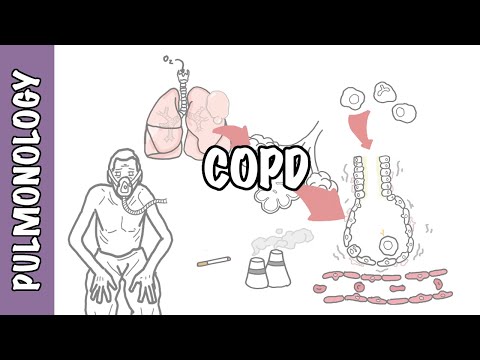
Hey there! Have you ever felt like you just can’t catch a breath? That’s what living with COPD can be like. It’s tough, you know?
But here’s the thing: things are changing. New treatments are popping up that can really help manage those annoying flare-ups. Advanced exacerbation treatments? Yeah, they might just be game-changers!
In this chat, we’re diving into how these cutting-edge options can make a difference in your life or someone you care about. Trust me, you don’t wanna miss this! So, let’s dig in and talk about it!
Understanding the Duration of Treatment for COPD Exacerbations
So, if you or someone you know has COPD, here’s a little dive into what happens during those pesky exacerbations. First off, let’s break it down: COPD, or Chronic Obstructive Pulmonary Disease, is a lung condition that makes it hard to breathe. You know how your car might sputter and stall sometimes? Well, that’s kinda what happens to the lungs during an exacerbation—they’re not working at their best.
Now, when these flare-ups occur, they usually mean that the symptoms like coughing and shortness of breath get worse. So you might be wondering: how long does treatment take? Well now, it varies quite a bit! Treatment duration can depend on a few factors:
- Severity: If it’s a mild exacerbation, treatment might be shorter—just a few days could do the trick.
- Response to Medication: Sometimes, patients respond well to treatments like corticosteroids or bronchodilators. In that case, you might see improvements in just days.
- Underlying Health Conditions: Other health issues can complicate things. If someone has heart problems too, it could take longer.
I remember my neighbor Tom had his fair share of battles with COPD. One winter he had a nasty exacerbation that lasted over two weeks! It was tough on him—and his family. But with the right treatments and some cozy blankets on the couch, he slowly got back to his usual self.
The thing is, everybody’s journey is unique. While some folks may get back on track within days, others might need more time to feel better. Remember though: this info doesn’t replace chatting with a healthcare professional about specific situations!
If you ever notice that breathing feels harder than usual or those symptoms flare up more than expected—don’t hesitate! It’s always best to reach out for expert care.
Understanding Rest and Recovery During COPD Exacerbations: Key Considerations
When it comes to COPD exacerbations, understanding rest and recovery is super important. You might be wondering what exactly that means, right? Well, let’s break it down!
First off, during an exacerbation, your lungs can get pretty cranky. This means you might have a harder time breathing than usual. That’s when rest becomes vital. Your body’s asking for a break! Think of it like charging your phone; if it’s running low on battery, you wouldn’t keep using it nonstop. Same goes for your body.
Now, while resting is essential, active recovery can also play a role. This doesn’t mean hitting the gym or running marathons! It’s more about gentle movements that can help keep your airways open without exhausting you. So activities like stretching or even simple walking at your own pace can work wonders.
Here are some key considerations during those tough times:
- Prioritize Breathing Techniques: Simple breathing exercises can help maximize airflow and calm anxiety.
- Stay Hydrated: Drinking enough water helps keep mucus thin and easier to clear out.
- Create a Comfortable Environment: Ensure good air quality at home; fresh air makes a big difference!
- Avoid Overexertion: Listen to your body; if you’re feeling worn out, take a step back.
You know how sometimes our minds race even when our bodies need to slow down? Well, stress management is crucial too! Techniques like meditation or just taking deep breaths can help ease anxiety during these episodes.
Remember that everyone’s journey with COPD is different. If things get really challenging, it’s always best to chat with a healthcare professional for tailored advice. Ultimately, the goal is to feel better and get back to doing what you love—just take it one day at a time!
Understanding the Standard of Care for COPD Exacerbation: Guidelines and Best Practices
Alright, let’s get into understanding the Standard of Care for COPD (Chronic Obstructive Pulmonary Disease) exacerbation. This is basically about how to handle those frustrating flare-ups when your lungs aren’t working as they should. You know, like when you’re wheezing more than usual or feeling super short of breath? Yeah, that stuff.
So first off, if you’re dealing with COPD, it’s important to know what an exacerbation is. It’s when your symptoms suddenly get worse. Kind of like when you’re chugging along just fine and then BAM! A cold hits you and you feel terrible. For COPD folks, things can get dicey quickly without the right care.
The guidelines set by health experts give a framework for managing these flare-ups. They focus on a few key areas:
- Medications: Relief usually starts with bronchodilators—these are inhalers that help open your airways. There are short-acting ones for quick relief and long-acting for ongoing support.
- Corticosteroids: Sometimes, doctors prescribe these to reduce inflammation in your lungs. Think of them like the cool kids at school who help settle disputes—calm things down!
- Oxygen therapy: If you’re feeling really out of breath and your oxygen levels drop, this might be used to help you breathe easier.
- Monitoring: Keeping track of symptoms is key! Knowing what’s normal for you helps spot when things are going south.
You know what? It can be super stressful dealing with all this. I remember my neighbor—she has COPD—and she told me once how it felt like an elephant was sitting on her chest during an exacerbation. Just awful! That’s why having a plan in place makes such a difference.
This isn’t one-size-fits-all though; everyone’s experience with COPD is different. These guidelines don’t replace professional healthcare but act as a good reference to discuss with your doctor or healthcare team.
The bottom line? Understanding the standard of care helps empower you to take charge during challenging moments. With the right resources and support, managing those pesky exacerbations becomes a little easier—now that’s something to cheer about!
Comprehensive COPD Exacerbation Treatment Guidelines According to GOLD Standards
So, you’ve heard about COPD, right? Chronic Obstructive Pulmonary Disease is like that uninvited guest at a party—always around and making things tough to enjoy. When we talk about **COPD exacerbation**, it’s basically when those pesky symptoms get way worse for a bit. It can be super stressful, but understanding how to manage it can seriously help.
Now, the GOLD standards—that’s short for Global Initiative for Chronic Obstructive Lung Disease—are kind of like the playbook for handling these flare-ups. They set out guidelines that healthcare folks use to treat COPD exacerbations. Imagine it like a game plan for your lungs!
Here are some key points you might find useful:
- Early Intervention: Catching an exacerbation early on is crucial. It’s recommended to look out for things like increased cough, more mucus, or changes in its color.
- Medication Changes: Sometimes, switching up your inhalers or adding new medications can make a big difference.
- Oral Corticosteroids: These guys help reduce inflammation in your lungs during an exacerbation. Think of them as a mini fire extinguisher!
- Antibiotics: If there’s an infection involved, antibiotics may be necessary—like bringing in reinforcements when things get tough.
- Supportive Measures: Staying hydrated and using oxygen if prescribed can really help keep you comfortable.
It’s also super important to have a good support system. A friend of mine once told me about her grandma with COPD and how she just felt lost sometimes during exacerbations. But having family around made those tough moments a little lighter. They helped her remember to take her meds and stick to her plan.
Remember, though, this is just info to help you understand better! Always check in with professionals who know your health history if you’re feeling stuck or overwhelmed by symptoms. That way, you’ll be ready to tackle any challenges that come your way!
So, let’s talk about COPD for a sec. If you’ve ever known someone with chronic obstructive pulmonary disease, you know it can be a real game changer in their life. I once had a friend who struggled with it, and watching her try to catch her breath after walking up a few stairs was eye-opening. You don’t realize how precious breathing is until you see someone fighting for it.
Now, when we look at something like exacerbation treatments, things start to get interesting. Basically, an exacerbation is when your symptoms flare up and make trying to breathe feel like running a marathon—all day long. And guess what? Advanced treatments are really making waves in how people manage these moments.
You see, there’s been quite a bit of focus on finding new ways to help folks during those tough times. Some of the latest options include long-acting bronchodilators or even newer inhalers that really help open up those airways. Well, now you might wonder: how does this all play out in real life?
Imagine being able to rely on something that not only helps during an attack but also boosts your overall lung function over time. That kind of support can totally change the game! It’s like giving someone back their freedom—a chance to be outside with their loved ones without constant worry.
But here’s the kicker: while these advancements sound great—and they are—it’s super important to remember that everyone’s experience is different. So what works wonders for one person might not be as effective for another. That’s why staying close with healthcare professionals is key; they’ll tailor treatment plans based on individual needs.
At the end of the day, if you or someone you care about has COPD, knowing there are new options out there gives hope and encouragement. The journey can be tough, but better resources mean better lives—and isn’t that what we all want?
