

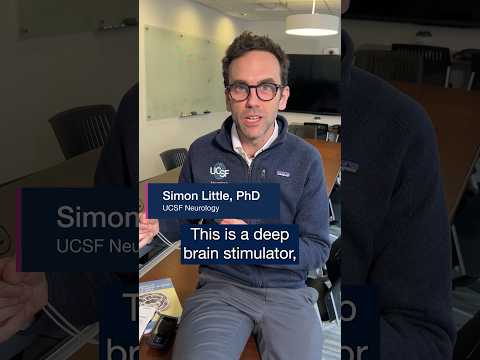
Hey, have you heard about that mind-blowing surgery called DBS? Yeah, it’s not just any surgery; it’s like a game changer for folks dealing with some serious stuff, like Parkinson’s or essential tremors.
Imagine being able to control those uncontrollable shakes with a little device implanted in your brain. Sounds sci-fi, right? But it’s real! This advanced tech is helping people take back their lives.
So, let’s dive into how this cool surgical innovation is revolutionizing lives. You might be surprised at what’s possible these days!
Top Hospitals Worldwide for DBS Surgery: A Comprehensive Guide
So, you’ve probably heard a lot of buzz about Deep Brain Stimulation (DBS) surgery, right? It’s this really cool procedure that helps people with conditions like Parkinson’s disease. Basically, it involves implanting a small device in the brain that sends electrical impulses to help control symptoms. Neat, huh? But the big question is: where do you go if you’re considering this surgery? Well, let’s dig into some of the top hospitals around the world for DBS surgery.
1. Mayo Clinic – Located in Rochester, Minnesota, the Mayo Clinic is a leader in neurosurgery. They have a great track record and an amazing team that focuses on patient care and advanced surgical techniques. Many patients rave about their experiences there.
2. Cleveland Clinic – This place in Ohio is another heavyweight when it comes to DBS surgeries. Known for their research and innovative techniques, they really take time to assess each patient’s needs before jumping into any procedures.
3. Johns Hopkins Hospital – In Baltimore, Maryland, Johns Hopkins is famous for its cutting-edge technology and expert staff. Their neurology and neurosurgery department is well-respected worldwide.
4. Charité – Universitätsmedizin Berlin – If you’re looking across the pond to Europe, Charité in Germany stands out. They’ve been pioneers in DBS technology and have treated many patients from different countries.
5. Toronto Western Hospital – Up in Canada, this hospital has a strong focus on movement disorders and they offer specialized programs for DBS treatment. Patients often mention how caring their medical staff can be!
And you know what? Choosing the right place can feel like a huge decision—like my friend Sarah when she had to choose where to get her knee surgery done; she spent hours researching online! It’s all about finding that perfect fit with doctors who understand your unique situation.
In any case, just remember that while these hospitals are great options for DBS surgery, it’s super important to consult with healthcare professionals before making any decisions. They can guide you based on your specific needs and condition! That way you’re keeping things safe while exploring options out there that could change your life for the better!
Exploring the Impact of DBS on Life Expectancy: Key Insights and Findings
So, let’s dive into something that’s been sparking a lot of interest in the health world: Deep Brain Stimulation (DBS). It’s like giving your brain a little boost! People often wonder how this advanced surgery affects their life expectancy and overall well-being.
Okay, here’s the deal. DBS isn’t just some sci-fi concept; it’s a real treatment that helps manage certain neurological conditions, like Parkinson’s disease and dystonia. The way it works is fascinating—it involves implanting electrodes in specific brain areas to send electrical impulses. This can help reduce symptoms, making daily life way more manageable.
You might be asking yourself, “But does it really change how long I might live?” Well, research suggests that while DBS mainly focuses on improving quality of life, many also see benefits in longevity. Here are some key points:
- Symptom Management: With better control of symptoms, people can stay active longer, which is a big plus for overall health.
- Mood Enhancement: The surgery has shown to improve mood and mental clarity, which contributes to a healthier lifestyle.
- No Major Impact on Overall Lifespan: Studies suggest that for many patients, life expectancy doesn’t drastically change post-surgery but quality definitely improves.
- Pacing Yourself: With fewer symptoms holding you back, you might find yourself engaging more in social activities or exercise—both great for longevity!
I remember hearing about a friend’s grandma who got DBS after years of struggling with Parkinson’s. She said she felt like she had her life back! It’s stories like hers that remind me why this tech is so important.
That said, it’s super important to keep this in mind: while DBS can be revolutionary for many, it’s not a one-size-fits-all solution. Everyone’s different! If you’re curious about its potential impacts or considering it for someone you care about, chatting with healthcare professionals is always the best route to take. They can give guidance that’s tailored just for you!
The bottom line? DBS has opened new doors for many folks seeking relief from tough conditions and could contribute to living more fulfilling lives—just remember to stay informed and connected with your healthcare team!
Understanding the Costs of Deep Brain Stimulation: A Comprehensive Guide
Alright, let’s talk about Deep Brain Stimulation (DBS). It sounds fancy, right? Well, it’s a procedure that helps some people with conditions like Parkinson’s disease. But, like with any medical treatment, it comes with a price tag. Let’s dive into the costs involved.
First off, the cost of DBS can vary a lot depending on where you are and what your specific situation is. You’re looking at a few key expenses:
- Surgery Costs: This includes the fees for the surgeon and the facility. Surgery ain’t cheap! It can range from tens to hundreds of thousands of dollars.
- Device Expense: The actual DBS device itself has its own cost. This can add several thousand bucks to your overall bill.
- Follow-Up Care: After surgery, you’ll need regular follow-ups to adjust settings and check on things. These visits add up, too!
- Medications: You might still need medications post-surgery. Depending on what you take, this could be another layer of costs.
The thing is, insurance may cover some or all of these costs. It’s super important to check with your provider about what they’ll pay for. Sometimes there are hidden fees that pop up unexpectedly.
You know, I remember chatting with a friend whose dad had DBS surgery last year. They were shocked by how much the doctor visits added up after the procedure! It was like good news turned into “Oh no!” pretty quickly when they got those bills.
You might be wondering if it’s worth all this cash. For many people, the benefits—like improved quality of life—can outweigh the financial hit. Still, every journey is different.
You should totally talk to healthcare professionals before making decisions or diving into anything serious like this! They can help clarify what might be best for you or your loved ones.
So yeah, understanding the costs of Deep Brain Stimulation is key if you’re considering it or helping someone who is. Just keep asking questions and digging for answers!
Understanding Michael J. Fox’s Journey: Insights into DBS Surgery for Parkinson’s Disease
Michael J. Fox has been a household name for years, not just for his acting but also for his courageous battle with Parkinson’s disease. His journey sheds light on an exciting advancement in treating this condition: Deep Brain Stimulation (DBS) surgery. You might be wondering, what’s that about? Let’s break it down.
So, Parkinson’s disease affects the brain and can cause tremors, stiffness, and difficulty with movement. It’s tough stuff. Now, DBS is a surgical procedure that involves implanting a device that sends electrical impulses to specific parts of the brain. Sounds futuristic, right? But it’s real!
The thing is, DBS isn’t a cure for Parkinson’s but can help manage symptoms. Imagine being able to reduce those awful shakes or improve your ability to move around! That’s pretty impactful if you ask me.
What are some highlights of DBS surgery? Well, here are some key points:
- Personalized Treatment: Not everyone experiences Parkinson’s the same way. Docs can customize this treatment based on your unique symptoms.
- Immediate Relief: Many people report feeling better almost right after the device is turned on post-surgery.
- Reversible: If needed, the effects of DBS can be adjusted or even removed! That offers some peace of mind.
- Less Medication: A lot of folks find they need less medication post-surgery, which means fewer side effects from meds!
Thinking about Michael J. Fox again—it’s amazing how he brings awareness to Parkinson’s and what people go through every day. His openness allows others to understand that there are options out there like DBS.
But remember: while DBS has helped many people, it’s essential to talk to a healthcare provider if you’re considering it or want more information tailored to individual circumstances. This journey is unique for everyone!
So there you have it—a glimpse into how modern tech like DBS surgery plays a role in managing Parkinson’s disease and how someone like Michael J. Fox highlights its significance through his story. The road isn’t easy but advancements like these give hope and possibility!
You know, when you think about surgery, it can feel pretty daunting. Like, who would want to go under the knife? But I recently came across something that really opened my eyes—advanced DBS surgery technology. It stands for deep brain stimulation, and trust me, it’s not as scary as it sounds.
One of my friends had been struggling with Parkinson’s disease for years. Watching him fumbling with his hands and losing that sparkle in his eye was tough. Then came the time for him to explore various treatments. He finally decided to give advanced DBS a shot after hearing some amazing success stories. Fast forward a few months, and he was actually dancing again! I mean, seriously—who knew that electrodes implanted in the brain could make such a difference?
So what’s the deal with this technology? Well, in simple terms, it involves placing small electrodes in specific areas of the brain to help control abnormal signals causing movement disorders. Crazy right? These electrodes are connected to a device similar to a pacemaker that sends electrical impulses to regulate those signals.
The results have been life-changing for many people! It’s like flipping a switch back on. Some say they’ve regained their ability to walk and talk normally again! Just imagine how miraculous that must feel after years of struggles.
Of course, there are always things to keep in mind—any medical procedure has risks involved. But when you see those before-and-after stories or hear someone like my friend rave about their newfound freedom from symptoms thanks to this tech, it’s hard not to feel hopeful!
Anyway, if you’re curious about advanced DBS or know someone who might benefit from it, chatting with a healthcare provider could be a good next step. Just remember: while technology is amazing and revolutionary in so many ways, it’s always best paired with expert advice!
