

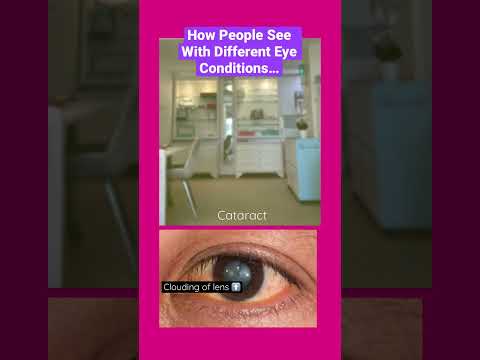
Hey there! So, let’s talk about something super important—diabetic retinopathy. Yeah, I know it sounds a bit intimidating, but stick with me.
It’s one of those sneaky things that can happen if you have diabetes. You might not even notice it at first, and that’s what makes it scary! But guess what? Technology is coming to the rescue. Seriously!
Imagine being able to spot the early signs of this condition without driving yourself crazy or spending hours at the doctor’s office. Sounds awesome, right? With smart tech solutions popping up everywhere, keeping an eye on your eye health is becoming easier than ever.
So grab a cup of coffee and let’s dive into how you can use this cool tech to catch those symptoms before they become a big deal!
Exploring Innovative Technologies in Diabetic Retinopathy Detection and Treatment
Hey there! So, let’s chat about something super important: diabetic retinopathy. It sounds fancy, but it’s really just a condition that can happen to folks with diabetes when high blood sugar levels damage the tiny blood vessels in the retina. Over time, if not caught early, it can seriously mess with your sight.
Now, spotting it early is key! This is where innovative technologies come into play. Imagine being able to use your smartphone to check your eye health. Sounds like something out of a sci-fi movie, right? Well, guess what? It’s becoming a reality!
- Smartphone Apps: There are apps designed to detect changes in vision by letting you do simple tests right from your phone. They assess whether you might be developing symptoms without needing a fancy doctor’s office visit.
- AI and Machine Learning: These technologies help analyze eye images faster and more accurately than ever before. They can identify signs of diabetic retinopathy even in the early stages—like a friendly watchdog for your eyes.
- Portable Imaging Devices: You know those big machines at the eye doctor? Some new devices are small enough to carry around. They take detailed pictures of your retina and send them straight to specialists for review.
I remember my friend Sarah mentioning how nervous she was about getting her eyes checked regularly. But then she discovered this app that helped her feel involved and aware of her condition without all the stress. Technology made it easier for her!
The thing is, while all these tech solutions are super cool and helpful, they don’t replace regular check-ups with healthcare professionals. Always make sure you’re on top of those appointments!
So there you have it—technology is stepping up big time in the fight against diabetic retinopathy! Staying informed and using these tools can help keep your vision sharp and clear.
Exploring Smart Diagnosis for Diabetic Retinopathy: Innovations and Insights
Well, if you’ve ever heard of diabetic retinopathy, you probably know it can mess with your eyesight if diabetes isn’t managed properly. But here’s where technology gets pretty cool. Nowadays, smart tech is stepping in to help spot this condition before it takes a serious toll on your vision.
So what exactly is diabetic retinopathy? It’s when high blood sugar levels damage the blood vessels in your retina. Fluctuations in blood sugar cause little bumps and leaks in these vessels, leading potentially to vision loss. Symptoms can be sneaky too—they often show up late, so early detection is super important.
Now let’s talk about some of these smart solutions! They’re designed to help catch the early signs of diabetic retinopathy:
- Smart Cameras: Some devices use advanced imaging to take detailed pictures of your retina. These images can help identify issues before you even realize there’s a problem.
- AI Technology: Yep, artificial intelligence can analyze those retina images quickly and accurately. It’s like having an extra set of eyes that don’t get tired!
- Mobile Apps: There are apps that let you upload your retinal images for analysis right from your phone. How neat is that? You can check in from anywhere!
You know, I once met someone whose dad was diagnosed with diabetic retinopathy pretty late, and it was tough on the whole family. They wished they’d caught it earlier and used something like these smart tools. It just goes to show how vital early detection can be!
But remember this: While all these innovations sound amazing and helpful, they’re not a substitute for professional healthcare. You still need regular check-ups with eye specialists who know their stuff.
In summary, embracing technology could really pave the way for better eye health among those living with diabetes. So if you or someone you care about is facing this challenge, keep an ear out for new tools and methods to stay informed!
Advancements in AI for Early Detection of Diabetic Retinopathy: FDA Approvals and Implications
Did you know that diabetic retinopathy is one of the leading causes of vision loss in people with diabetes? Yeah, it’s a serious thing. But here’s the good news: advancements in artificial intelligence (AI) are making it easier to catch early signs of this condition before it gets worse. You might be wondering how that works, right? Well now, let’s break it down!
First off, AI is like having a super-smart assistant that can analyze tons of eye images quickly. When you go for a routine eye exam, your doctor often takes photos of your retina—the back part of your eye. AI systems can look at these images and spot any worrisome changes, even tiny ones that might slip past a human eye.
Recently, the FDA has approved several AI tools designed for this purpose. Here’s what you should know:
- Speedy Analysis: AI can evaluate images really fast, sometimes in just seconds.
- Accuracy: Studies show that some AI systems can match or even surpass human doctors in detecting signs of diabetic retinopathy.
- Accessibility: These tools could help bring screening to areas where eye care specialists are few and far between.
Let me share a quick story. A friend of mine was diagnosed with diabetes a few years ago. She went for her check-ups regularly but still missed the subtle signs of diabetic retinopathy until it was almost too late. Imagine if an AI system had been there to help catch those early changes—it could have made a world of difference for her vision!
AI’s role doesn’t stop at detection either; it’s changing how we think about managing diabetes as a whole. With timely information from these smart tools, healthcare providers can work with patients more closely to keep their eyes healthy.
So while we’re not saying that AI will replace doctors—definitely not!—it does seem like the future is bright for using tech solutions in healthcare. It’s about giving everyone the best chance to keep their vision sharp.
Remember, though: always consult with your healthcare provider about any concerns you have regarding your sight or health overall!
Revolutionizing Diabetic Retinopathy Detection: The Role of Artificial Intelligence in Early Diagnosis
Hey there! Let’s chat a bit about something that might not be on everyone’s radar: diabetic retinopathy. It sounds complicated, right? But don’t worry, we’ll break it down together.
So, what is diabetic retinopathy? Well, it’s a condition that affects the eyes of people with diabetes. Basically, high blood sugar can harm your retina—the part in your eye that helps you see. Over time, this damage can lead to vision problems or even blindness. Yikes!
Now here comes the cool part—artificial intelligence (AI). You know how tech is making our lives easier? It’s also stepping up in healthcare! AI is being used to help detect diabetic retinopathy earlier and more accurately than ever before.
Here’s how it works:
- Image Analysis: AI systems are trained to analyze images of your retina. They can spot tiny changes that might indicate problems.
- Speed: These AI tools can evaluate images way faster than humans. This means quicker results for patients!
- Consistency: Unlike humans who might have off days, AI gives consistent results every single time.
Imagine this: You go in for a routine eye exam—same old stuff, right? But this time, an AI system scans your retina while the doctor just waits for the results. It makes things smoother and less stressful!
And let me tell you a little story to illustrate this point. I have a friend named Sara who has diabetes and dreads her eye exams because they often take so long. Last month, she tried an office using this new AI tech and was in and out in no time! She couldn’t stop raving about how easy it was and felt less anxious knowing that the latest technology was looking out for her eyes.
But remember, while AI sounds fantastic—it’s not perfect nor does it replace what doctors do; it’s just another tool they have now! Always chat with your healthcare provider about any concerns you may have.
All right! That’s a quick scoop on how **AI is shaking things up** when it comes to spotting symptoms of diabetic retinopathy early on. It feels good to know tech is helping us stay healthy, doesn’t it?
So, you know how sometimes we just take our eyesight for granted? It’s like one of those things that you don’t think about until something goes wrong. A friend of mine, Emily, was diagnosed with type 1 diabetes a few years ago. She’s been super vigilant about her health, but last summer, she noticed some blurry spots in her vision. I remember her calling me up, totally freaked out. Honestly, it was a wake-up call for both of us about diabetic retinopathy.
Diabetic retinopathy happens when high blood sugar levels damage the tiny vessels in your eyes. It’s kinda scary because it can sneak up on you without any noticeable symptoms at first. I mean, who has time to sit around thinking about their eyes every day? That’s where smart tech comes into play!
Now, there are some cool devices and apps out there designed to help folks with diabetes keep an eye on their eye health—pun totally intended! Some tools with AI can analyze photos of your retina and catch early signs of problems even before they become serious. It’s like having a mini-eye doctor in your pocket!
But here’s the thing: while tech can be a lifesaver (and really makes life easier), it’s not a substitute for regular check-ups with an eye doctor. So if you’re managing diabetes or know someone who is, combining tech solutions with professional healthcare is really the way to go.
I mean, Emily has started using one of these apps—it sends reminders for her check-ups and keeps track of her blood sugar levels too. This little gadget gives her peace of mind; she feels more in control and less anxious about what could happen down the line.
The love-hate relationship we have with technology sometimes gets overshadowed by the amazing ways it helps us manage health conditions these days. Both emotional support from friends and good tech tools can play huge roles in staying healthy. So here’s to keeping those peepers checked—eyeballs are precious!
