

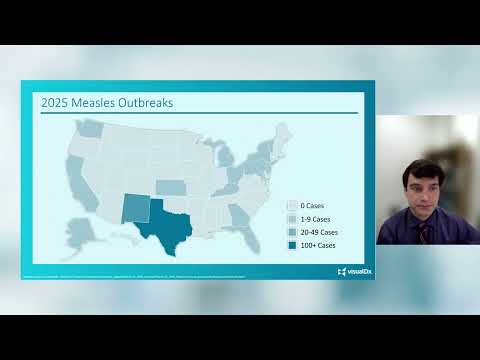
Hey there! So, have you heard about the recent measles outbreaks? It’s kinda scary, right? I mean, measles is one of those old-school illnesses that can throw a wrench into your plans. You might think, “Isn’t that something we don’t worry about anymore?” But guess what? It’s back, and knowing how to spot it early can make a big difference.
Let’s chat about the signs and symptoms you should keep an eye on. Seriously, catching it early could save you a lot of hassle. Trust me; nobody wants to go through that! Plus, understanding this stuff helps us protect not just ourselves but also our friends and family. So grab a comfy seat—let’s dive into this together!
Comprehensive Guide to Measles Rash: Symptoms and Visual Identification
Hey there! Let’s chat about measles and the rash that comes with it. Seriously, understanding this is super important, especially if you’re around kiddos or anyone who’s not vaccinated.
So, what is measles? It’s a contagious viral infection that hits you with flu-like symptoms and then throws in a nasty rash. It’s like your body’s way of saying, “Hey! There’s something wrong here!”
Symptoms of measles usually show up in stages. First, you might notice:
- A high fever
- Cough
- Runny nose
- A red or watery eye (yeah, it’s called conjunctivitis)
This initial stage can last a few days. Then comes the moment we all dread—the rash! This is when things get really noticeable.
The measles rash typically starts behind the ears or on the face before spreading down to the rest of your body. It begins as small red spots that can merge together, creating big splotches. Imagine those tiny dots taking over like an invading army!
You may also see some little white spots inside the mouth—those are known as Koplik’s spots. They’re pretty unique and can help identify measles early on.
Visual identification:
- The rash appears 3-5 days after other symptoms start.
- At first, it’s flat and red but can become raised.
- The spots may have a brownish hue as they fade away.
This whole process might sound intimidating, but don’t panic! The best defense against measles is vaccination. If you’re ever unsure about what you see on someone’s skin or if they’re feeling sick, it’s always best to reach out to a healthcare professional for advice.
Remember—a good old-fashioned chat with a doctor is never a bad idea when you’re worried about health stuff! Stay informed and stay safe!
Understanding Measles Symptoms in Adults: Key Signs and Management
Alright, so let’s chat about measles. You might think this is just a childhood illness, but guess what? Adults can catch it too! Knowing the signs is super important, especially since it can spread fast in communities. So here we go—what to look out for!
First up are those classic symptoms that can sneak up on you:
- High fever: It usually starts around 101°F (38.3°C) or higher.
- Cough: A dry cough often tags along, making you feel extra miserable.
- Runny nose: Yep, the good ol’ sniffer gets stuffed or drippy.
- Red eyes
- Koplik spots: These are tiny white spots that can appear inside your mouth; they’re a bit of a telltale sign!
- Rash: This usually pops up about 2-4 days after the fever starts. It’s typically red and spreads from your face downwards.
I remember when my friend thought they just had a bad cold. They had every symptom except the rash at first. Then bam! The rash came in full force! It was clear something bigger was at play. Plus, it knocked them out for days—no fun at all.
You might be wondering how to manage these symptoms if they hit you or someone you know. Well, here are some things that could help:
- Stay hydrated: Drink plenty of fluids to keep your body going strong!
- Rest up: Your body needs time to heal; sleep is your best friend here.
- Pain relief: Over-the-counter medication can help ease headaches or body aches—just check with someone who knows their stuff!
So yeah, measles isn’t just a kiddie concern anymore. Make sure you’re aware of these symptoms because spotting them early is key! And remember, if you’re ever unsure or feeling really under the weather, it’s always a good idea to chat with a healthcare professional. They’ll guide you in ways I can’t!
Stay safe and informed, friends!
Effective Measles Treatment Options for Children: A Comprehensive Guide
Hey there! Let’s chat about measles, especially since it can be a bit tricky to spot and deal with, particularly in kids.
Measles is a highly contagious viral infection that can lead to some serious health issues. So, it’s super important to recognize those early signs and symptoms. You might notice things like a high fever, cough, runny nose, or red eyes. But wait—there’s more! After a few days, you might see a rash that usually starts on the face and then spreads down the body.
If you think your child has measles, it’s crucial to consult with a healthcare professional right away. They can provide guidance based on their specific situation. Remember, this chat is just informational!
Now let’s get into some ways you can care for your little one if they do get sick:
- Keep them comfortable: Make sure they’re resting in a quiet space and drinking plenty of fluids.
- Manage fever: You can use over-the-counter medications for fever relief—just check with your doctor first!
- Support their immune system: Light meals rich in vitamins can be helpful. Think fruits like oranges or smoothies!
- Avoid bright lights: Since children with measles may be sensitive to light, dimming the lights or using curtains could help.
Seriously though, these tips are all about making them feel better while their body fights off the virus. Nothing beats love and care!
Sometimes people forget—measles can lead to complications like pneumonia or encephalitis (which is swelling of the brain), so spotting those symptoms early makes a huge difference in ensuring safety.
Just remember: vaccination is key! The MMR vaccine protects against measles (and mumps and rubella), which is super important for both individual and community health.
In the end, knowledge is power! So keep an eye out for those symptoms and make sure you take action if needed. Your child’s health matters most, and staying informed helps you be prepared!
Comprehensive Guide to Testing for Measles: Symptoms, Procedures, and Recommendations
Hey there! So, let’s chat about measles testing. You know, measles is one of those diseases that can really knock you off your feet, and spotting it early is key. You might be wondering, “What are the symptoms? How do I get tested?” Buckle up, because I’m here to give you the lowdown!
First off, what are the symptoms? Well, it usually starts with a fever and can make you feel super tired. Then come the classic spots—like those little red ones inside your mouth! Here are some common signs to look for:
- High fever
- Cough
- Sore throat
- Runny nose
- Red eyes
- Rash that appears a few days later—first on the face and then spreads.
If you or anyone around you shows these signs, especially if there’s been a recent outbreak nearby, it helps to be cautious.
Now about testing. If you’re feeling iffy and think it could be measles, contact your healthcare provider right away. They’ll probably recommend a blood test or some other tests to check for the virus. Sometimes they’ll even do an exam and ask about your symptoms. It’s like a detective case where they’re trying to figure out what’s going on!
But wait! How does this work? Blood tests can detect antibodies in your system. Antibodies are like little superheroes that show up when your body is fighting off an infection. So if they find those specific ones for measles, that’s a clear indicator!
And hey, what should you do if you suspect measles?
- Avoid close contact with others—especially folks who haven’t been vaccinated.
- Stay at home until you’re cleared by a health professional.
- If symptoms persist or worsen, don’t hesitate to seek medical help.
You know what? Measles is preventable with vaccination—so keeping up with that can really save you from all the hassle of testing and dealing with the disease itself later on. Just think back on how getting shots as a kid was kind of like armor against all sorts of things!
No worries if you’re feeling confused—it’s always best to talk to someone who knows like nurses or doctors when it comes to health issues. Remember: this info isn’t a replacement for professional healthcare advice; it’s just here to shed some light!
You know, sometimes I think we get so caught up in our busy lives that we overlook the signs our bodies are trying to send us. Measles is one of those things that feels a bit old-school, right? I mean, it’s not something we hear about every day anymore. But guess what? It can still pop up and catch us off guard, especially if we’re not paying attention.
When I was a kid, my best friend got measles. I remember visiting her house; her whole room was darkened because bright lights bothered her eyes. She had this red rash all over, and I was like, “Whoa! What happened?” It’s crazy how those vivid memories stick with you. Her mom told me it was contagious and that everyone needed to be careful around her until she got better. Luckily, she did!
So what’s the deal with measles now? Well, it starts off kinda like a nasty cold—fever, cough, runny nose—you know the drill. You might think it’s just the flu at first. But then there’s that telltale rash that pops up later on—usually starting on your face before spreading downwards. That’s when things get serious.
And hey, if you or someone around you has been exposed to measles and suddenly gets sick, don’t just shrug it off! Early detection is super important because measles can lead to some pretty gnarly complications if left unchecked.
If you find yourself feeling under the weather and notice those symptoms creeping in, maybe check in with a healthcare professional or someone who knows more about these things—because early intervention could make all the difference.
I guess what I’m saying is: stay informed and trust your instincts! Don’t brush aside those warning signs just because they seem small at first; they could mean something bigger is lurking beneath the surface. Keep an eye out for yourself and those around you—it matters more than we often realize.
