

Hey there! So, here’s the deal: early onset dementia can feel like a whirlwind. It’s tough, right? You’re going about your life, and then—boom! A diagnosis hits. It can be overwhelming for both the person experiencing it and their loved ones.
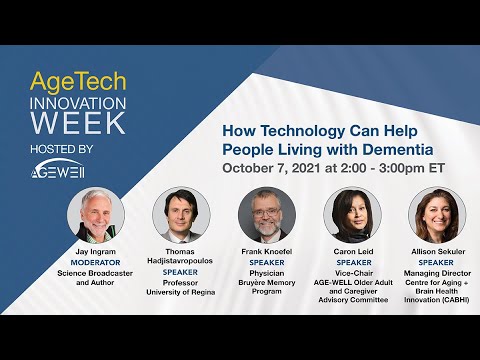
But guess what? Technology is stepping in like a superhero! Seriously, there are some wild innovations popping up that aim to make life a bit easier. From apps that help with memory to devices that keep loved ones connected, these tools are changing the game.
Think about it: we’re in a world where tech can help us navigate through some pretty tricky stuff. And that’s not just cool; it’s essential. So stick around as we dive into how these tech innovations are making waves in the world of early onset dementia. You won’t want to miss this!
Early Detection of Alzheimer’s Disease: Key Strategies and Innovations for Improved Outcomes
So, Alzheimer’s disease, huh? It’s a pretty heavy topic. More and more folks are talking about early detection these days, especially with all the tech innovations popping up. You know, catching it early can make a huge difference in managing the condition. And that’s what we’re diving into today!
When it comes to **early detection**, here are some key strategies and innovations that can really help:
- Cognitive Assessments: Regular checks by doctors can help spot changes in memory or thinking skills. They might use simple tests to gauge cognitive function.
- Smart Technology: Gadgets like wearables can track daily activities and routines. If there’s a sudden change, it might indicate something’s off.
- Genetic Testing: For some individuals with a family history of Alzheimer’s, testing can provide insights into genetic risk factors. This info is crucial for understanding what lies ahead.
- Brain Imaging: MRI and PET scans can visualize brain changes associated with Alzheimer’s even before symptoms appear.
- AI and Machine Learning: These tech wonders analyze patterns in massive datasets to identify at-risk individuals earlier than traditional methods would allow.
It’s kind of wild, right? Like when I heard about AI detecting subtle brain changes better than some doctors—mind-blowing stuff!
But here’s the deal: while technology is super helpful, it’s not everything. Having open conversations with family members and healthcare providers is still key. If you notice something amiss—like forgetting names or struggling to keep track of everyday tasks—it’s important to speak up! Just imagine if your buddy started acting differently; you’d want them to know they’re not alone.
So remember, keep an eye on those little changes at home or in yourself. Early detection isn’t just about tools; it’s also about awareness and connection with our loved ones. Tech is cool and all, but nothing beats having a solid support system! And always talk to professionals for deeper insight—they’re your best bet when it comes down to health matters.
Stay curious and look out for each other!
Understanding Early Detection of Dementia: Key Signs and Assessment Techniques
Dementia can feel like a scary cloud hanging over you or your loved ones, but understanding early signs and detection techniques helps a lot. Seriously, the sooner you recognize these signs, the better equipped you’ll be to navigate this journey.
What Should You Look For? Early symptoms can be subtle. You might notice changes in memory or thinking patterns. Some common signs include:
- Memory loss: Forgetting important dates or recent events.
- Confusion: Getting lost in familiar places or mixing up words.
- Difficulty with everyday tasks: Struggling to follow recipes or manage finances.
- Mood swings: Experiencing sudden shifts in emotions, like from happy to frustrated quickly.
You know, it’s like when my grandma started misplacing her glasses all the time—she was usually so sharp! At first, we brushed it off as just getting older. But as those little moments piled up, we decided to pay more attention.
How Can Tech Help? Now, with all the advancements out there, technology plays a huge role in early detection and monitoring. Think about apps that track memory exercises or digital assistants that remind users of important tasks. These tech tools are making life easier for everyone involved!
You might hear about cognitive assessments, which are tests designed to determine how well the brain is functioning. These can range from simple memory games to more comprehensive evaluations done by professionals. If you’ve noticed some of those earlier signs I mentioned, suggesting an assessment could be beneficial!
The thing is: while spotting these signs early is crucial—and using tech can help—nothing beats professional healthcare when it comes to actual diagnosis and support. So if something doesn’t feel right, reach out for help!
Your awareness and care make a big difference in how you handle these challenges. So keep an eye on those small changes! It’s all about supporting each other during tough times.
Understanding Early Onset Dementia: The Role of Brain Scans in Diagnosis and Management
So, let’s chat about something really important: early onset dementia. This is a type of dementia that hits people before they turn 65. Yeap, it’s a little shocking, right? Imagine being in your 50s and facing issues like memory loss or confusion. It can be super tough, not just for the person experiencing it but for their loved ones too.
Now, here’s where brain scans swoop in like superheroes! These scans are crucial in figuring out if someone has early onset dementia. They help doctors see what’s happening inside the brain. It’s like peeking into a secret world that shows changes in the brain’s structure and function.
- Types of Scans: There are different kinds of scans, like MRIs and CTs. An MRI gives detailed images of the brain while a CT scan offers a broader view. Each has its own pros and cons!
- Why Use Them? Brain scans can help rule out other problems that might look like dementia but aren’t actually. Things like tumors or strokes can cause similar symptoms.
- The Emotional Side: Finding out you or someone you care about has early onset dementia can be heart-wrenching. I remember my friend Jenny; she was only 55 when she noticed things weren’t right with her memory. And getting those results was tough for her family.
- Treatment Planning: Once doctors analyze the scans, they can create better plans to manage symptoms and improve quality of life.
- The Tech Twist: New technologies are always popping up to help with these diagnoses, making them quicker and more accurate. Most importantly, they offer patients hope!
If you’re navigating this journey with someone you love, know that there are plenty of resources and support out there! Just remember: while brain scans play an important role in understanding early onset dementia, they don’t replace professional healthcare advice or treatment plans. Stay informed and stay connected!
Unlocking Alzheimer’s: Pioneering Biomarkers for Early Diagnosis
So, let’s talk about Alzheimer’s disease and those cool new things happening in the world of early diagnosis. It’s a tricky condition that affects memory and daily life, often sneaking up on folks when they least expect it. You know how it is; one minute you’re fine, and the next you can’t remember where you left your keys—or your favorite sweater!
The thing is, catching Alzheimer’s early can make a big difference. That’s where biomarkers come into play. These are like little clues that help doctors find out what’s going on inside our brains before we notice any symptoms. Think of them as the “detectives” of the brain!
- What Are Biomarkers? They can be proteins or other substances found in blood or cerebrospinal fluid that show changes related to Alzheimer’s.
- Tech Innovations: Technology is really stepping up here! New tools can analyze these biomarkers with speed and accuracy.
- Early Diagnosis: The earlier you catch something like this, the better for managing it, even if we don’t have a cure yet.
I remember my Grandma. She’d sometimes forget how to play her favorite card game. At first, it was just little things—like mixing up the rules—but soon enough, it turned into bigger issues. If only there were easier ways to catch those signs back then!
The best part? This tech isn’t just science fiction anymore! Scientists are working hard to create easy tests that could let us know much sooner if someone is at risk for Alzheimer’s—kind of like getting a check-up but for your brain!
Of course, all this doesn’t take the place of talking to a healthcare professional. It’s super important to stay connected with experts who know their stuff. But being aware of these innovations? That really helps keep us informed and hopeful about tackling Alzheimer’s head-on!
So, early onset dementia, huh? It’s a tough topic for many, and it can feel like a huge cloud looming over your future. I mean, just imagine being in your 40s or 50s and getting a diagnosis that makes you rethink everything. It’s heart-wrenching. I once knew a guy named Sam—super lively and always cracking jokes. He started forgetting simple things, like where he put his car keys. Then, one day, he got the news that it was more serious than just absent-mindedness.
Now, here’s where technology comes in. It’s pretty wild how advancements in tech are stepping up to help folks like Sam navigate life after a diagnosis. Imagine wearables that track daily activities or apps that gently remind you to take meds or do tasks. These tools can help create a little bit of stability in what can feel like a whirlwind.
And let’s talk about smart home devices! Seriously, they’re game changers. You can set up things to control lights, thermostats—even locks on doors—just with your voice or an app on your phone. That way, if someone forgets how to turn off the oven (oops!), there’s less risk of accidents.
But there’s more! Online communities and support groups are popping up everywhere now. They connect people who are experiencing similar struggles, which is just so important! Imagine having a group where everyone gets it; sometimes sharing stories with those who understand takes the weight off your shoulders.
Still though, navigating this journey isn’t all rainbows and butterflies. It can be overwhelming at times—like learning new tech when you already have so much on your plate. And that’s okay! The thing is, finding what works best for each individual is key because tech shouldn’t feel like an added stressor; it should make life easier.
So yeah, while early onset dementia is scary—it brings uncertainty and change—there’s hope in the innovations around us. They’re just tools to keep life going on smooth as possible while still embracing the beautiful moments that come along the way. Just remember: you don’t have to face it alone; there’s support out there waiting for you!
