

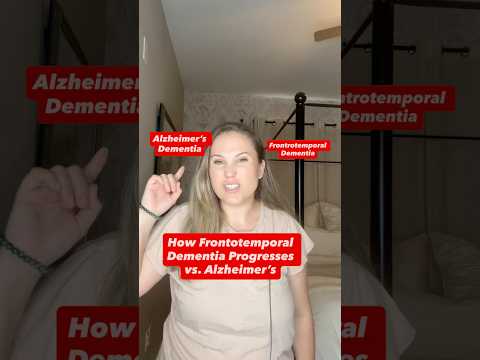
Hey there! Have you ever wondered what happens when your loved ones start acting a bit… different? Yeah, that’s a tough pill to swallow. Frontotemporal dementia (FTD) is one of those conditions that can flip a person’s personality upside down.
It’s not just about forgetting things, you know? With FTD, folks might seem more irritable or lose their filter altogether. Doesn’t that just make your heart ache thinking about it?
But here’s the thing: we can shine some light on it together. Awareness is super important! The more we know, the more we can help each other out and support those going through this tough journey.
So, let’s dive into some innovative ideas and solutions out there. We’re talking about raising awareness and finding new ways to cope with FTD in our communities. Ready? Let’s go!
Transforming Dementia Care: Innovative Approaches and Solutions
Dementia can be a tough journey, not just for those who have it, but for their loved ones too. Imagine your favorite family member slowly forgetting the little things—like how to cook your grandma’s famous recipe. Heart-wrenching, right? But here’s the scoop: there’s a lot of interesting work being done to improve dementia care, especially when it comes to Frontotemporal Dementia (FTD).
Frontotemporal Dementia is different from other types of dementia because it mainly affects the parts of the brain that control behavior and personality. This can lead to some pretty big changes in how a person acts or communicates. So, what are some innovative approaches popping up in this field?
- Person-centered care: This approach focuses on individual needs and preferences. It’s all about treating each person as unique and involving them in their own care decisions.
- Tech solutions: Believe it or not, technology is becoming a best buddy in dementia care. Apps and devices that track daily routines or remind patients about important moments can make a world of difference.
- Creative therapies: Think art, music, and even dance! Engaging people with creative activities can spark memories and brighten up their day.
- Training programs: Caregivers often need support too! Innovative training programs help them understand how to connect better with those they’re caring for.
- Anxiety-reducing environments: Making spaces feel safe and welcoming plays a huge role in easing anxiety for both patients and caregivers.
The thing is, these approaches are more than just ideas on paper; they’re being put into practice every day. Each innovation shines a bit of light on what can often be a dark path. Just remember, while these methods are exciting, they don’t replace professional healthcare. Always consult with healthcare professionals when navigating dementia care options.
So yeah, making changes in the world of dementia care is vital. It’s all about showing love and support in ways that really resonate with those who need it most. And if you ask me? That’s something worth celebrating!
Understanding the 7 Stages of Frontotemporal Dementia: A Comprehensive Guide
Frontotemporal Dementia (FTD) can sound like a big, scary term, but let’s break it down. It’s actually a group of brain disorders that affects the frontal and temporal lobes. These areas control a lot of things, like your personality, behavior, and even speech. When they start to fade away, it can change how you or someone you love interacts with the world.
Now, if you’re curious about how this plays out over time, here are the 7 stages of Frontotemporal Dementia. Understanding these stages can help you grasp the journey better.
- Stage 1: No Symptoms – This is where everything seems normal. You might feel fine and go about your daily life without any signs.
- Stage 2: Mild Changes – Maybe your loved one starts to forget names or has slight personality shifts. Like when they used to be super chatty at parties but now prefer to sit quietly.
- Stage 3: Moderate Changes – Here’s where social interactions get trickier. They might become withdrawn or show changes in mood and behavior that surprise you.
- Stage 4: Significant Changes – Now you might notice more pronounced behavioral issues. The person can become impulsive or socially inappropriate—like telling off someone in the grocery line.
- Stage 5: Severe Cognitive Decline – This is getting serious. Memory loss intensifies, and there may be difficulty with daily tasks like getting dressed or cooking.
- Stage 6: Unresponsiveness – Communication becomes really tough. They may not respond to questions and spend more time in their own world.
- Stage 7: End-Stage FTD – At this point, they may lose their ability to speak entirely and need round-the-clock care for basic needs.
I’ll never forget a friend who shared his dad was diagnosed with FTD. The early stages felt surreal—like watching someone fade away gradually but painfully. He talked about how he used humor to connect even when words were lost; those moments still shine bright for him.
So remember, understanding these stages isn’t just about knowing what’s next; it’s also about awareness and empathy for those experiencing this tough journey—and their families too! Always reach out to professionals if you need guidance or assistance because every situation is unique!
Breakthrough Innovations: Exploring New Treatments for Frontotemporal Dementia (FTD)
Frontotemporal dementia, often shortened to FTD, is a type of dementia that can really shake things up. It mainly affects the front parts of the brain, which are responsible for behavior, personality, and even language. You know how sometimes you feel like you’re losing your grip on who you are? That’s similar to what can happen with FTD.
Now, about those breakthrough innovations! Researchers have been busy cooking up some fascinating treatments and approaches to tackle FTD. Here are a few cool things happening in this space:
- New medications: Scientists are exploring drugs that target specific brain pathways affected by FTD. These meds focus on the underlying biology of the disease rather than just managing symptoms.
- Cognitive therapies: Therapy isn’t just for tough times; it helps with honing skills like memory and communication. Some new therapies aim to strengthen remaining cognitive functions.
- Genetic research: There’s a deep dive into genetics that’s helping us understand what might cause FTD in some people. With this knowledge, targeted treatments may emerge down the line.
- Tech advancements: Ever heard of virtual reality? Well now it’s even being used for therapy sessions! Imagine stepping into a virtual world that helps practice everyday skills—it’s pretty wild!
A friend of mine once shared about her dad who was diagnosed with FTD. It was heartbreaking to see him drift away slowly from his vibrant self. But hearing about these new treatments gave her hope—it reminded her there are people fighting hard to change the story for families dealing with this.
Anyway, while all these breakthroughs sound great, keep in mind they don’t replace professional healthcare or advice from a doctor. Always reach out to someone who knows their stuff if you’ve got questions or concerns! The fight against FTD continues, and every little bit helps provide awareness and understanding about this condition.
Comprehensive Treatment Guidelines for Frontotemporal Dementia: Best Practices and Approaches
Frontotemporal dementia (FTD) can be a real tough cookie. It affects the front part of the brain, which plays a key role in behavior, personality, and language. Everybody feels this one differently, making it super important to get comprehensive treatment guidelines in place.
Understanding Symptoms
So, before diving into treatments, it’s good to know what FTD looks like. Some people might get really impulsive or lose interest in things they used to enjoy. Others may struggle with speaking or understanding language. The tricky part? Symptoms can vary a lot from person to person!
Best Practices for Care
When it comes to handling FTD, there are a few approaches that can help:
- Behavioral Therapies: These can help manage troubling behaviors and provide support for both patients and their families.
- Speech Therapy: For those having speech problems, working with a speech therapist can make communication easier.
- Support Groups: Connecting with others going through similar experiences can be comforting and provide valuable insights.
- Cognitive Stimulation: Activities that engage the mind might help maintain some cognitive functions for longer.
The Importance of Support
It’s not just about the person diagnosed; care partners need love and support too! A friend of mine once told me how she felt alone when her mom was diagnosed with FTD. Joining a support group made her realize she wasn’t the only one dealing with these challenges. Seriously; sharing experiences can lighten the load.
A Multi-Disciplinary Team
Having a team of healthcare pros is often recommended. Think neurologists, psychologists, social workers, and occupational therapists all working together! It’s like assembling your very own superhero squad focused on helping someone through this tricky journey.
Disease Education
And then there’s education about FTD itself! Knowing more about what’s happening in the brain helps families understand behaviors better. This knowledge creates patience and empathy during tough moments.
Remember though: while these are some best practices floating around out there, none of this replaces professional healthcare advice! Always consult your healthcare provider when it comes to treatment decisions or concerns regarding specific symptoms related to frontotemporal dementia.
So, frontotemporal dementia (FTD)—it’s one of those topics that doesn’t get as much airtime as it should. Just the other day, I was chatting with my friend Sam, who’s been caring for his dad who has FTD. His stories hit me hard. They reminded me how important awareness is, because this condition is tricky and often misdiagnosed.
FTD affects the parts of the brain that control personality, behavior, and language. This can turn loved ones into people you don’t recognize anymore. It’s like watching a movie where the main character suddenly forgets their lines and starts acting in ways you never expected. That kind of change can create a lot of confusion and heartache.
Anyway, innovative solutions for raising awareness are popping up everywhere! People are getting creative—using social media campaigns and art installations to spread the word about FTD and break down those pesky stigmas that keep people quiet about such an important issue. I mean, have you seen those viral videos where ordinary folks share their personal experiences? They really tug at your heartstrings but also give us a real insight into what it’s like living with this condition.
There’s also this awesome push for educational resources in schools and workplaces to help folks recognize early signs of FTD. Can you imagine? If we could actually help someone before they go down a tough path, that would be amazing! More voices are joining the conversation too, which feels hopeful; it’s like we’re all in this together trying to support each other.
Let’s not forget technology—there’s some really neat stuff coming out that might make life a bit easier for families dealing with FTD. From apps that remind caregivers about daily tasks to virtual reality programs designed to improve memory skills—it all sounds super interesting!
It just goes to show how powerful community efforts can be when it comes to raising awareness about health issues like this one. And who knows? Maybe your next neighbor has been through something similar—they just need someone to open up the conversation first.
So yeah, knowing about frontotemporal dementia matters a lot more than we might think at first glance. By spreading awareness and creating supportive spaces for discussion, we can really make a difference for those affected by this condition—and their families too! What do you think? Isn’t it great when people come together like that?
