

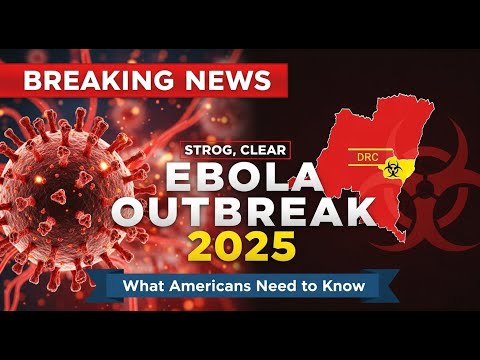
Hey there! So, let’s chat about something that might sound a bit scary: Ebola. Yeah, I know, it can make you want to hide under your blanket. But don’t worry! We’re diving into the symptoms and how cool tech is helping us understand it better.
You see, Ebola’s not just another random virus; it’s real and can be serious. But here’s the thing—knowing what to look out for can make a world of difference. Picture this: you’re suddenly feeling off—fever, fatigue, maybe even some stomach troubles. Yikes! But how do you know if it’s nothing or something more?
With all this tech around us, from apps to health monitoring gadgets, we can get insights into our bodies like never before. So hang tight! We’re breaking down those symptoms and seeing how technology is giving us a leg up in the fight against Ebola. Sounds good? Let’s go!
Top 5 Symptoms of Ebola: Essential Signs to Recognize
So, let’s chat about Ebola for a sec. You might have heard about it on the news, and it’s definitely a serious virus. But recognizing the symptoms early on can really make a difference. Let’s break down some essential signs you should keep an eye out for.
1. Fever: One of the first signs is typically a sudden fever. We’re talking about 101.5°F (38.6°C) or higher! You may feel achy and just not right.
2. Severe Headache: If your head feels like it’s being squeezed by a giant hand, don’t ignore it! A severe headache can be one of those early indicators that something’s up.
3. Joint and Muscle Pain: Now, this isn’t your regular soreness from that workout you didn’t really want to do anyway. It can feel intense and relentless, so pay attention if everything hurts for no good reason.
4. Weakness and Fatigue: You know when you’ve pulled an all-nighter? It’s kinda like that but way worse! This fatigue isn’t just about being sleepy; it’s like your body is completely drained.
5. Vomiting and Diarrhea: This one isn’t fun at all—nausea and gastrointestinal issues can hit hard, often causing dehydration if not managed properly.
So, the thing is: if you spot these symptoms after being in areas where Ebola is present or have been in contact with someone who has it, it’s super important to reach out to healthcare professionals immediately. Remember, this doesn’t replace professional advice or diagnosis—it’s just meant to keep you informed! Stay safe out there!
Essential Tools and Techniques Used by Epidemiologists to Combat Ebola Outbreaks
Ebola is one of those diseases that really makes you pay attention. It can spread fast and cause serious illness, which is why epidemiologists—those folks who study how diseases spread—work hard to combat outbreaks. So, let’s dive into some of the essential tools and techniques they use.
Firstly, surveillance is super important. Imagine having eyes everywhere to catch any signs of Ebola as soon as they pop up. Epidemiologists use technology like mobile apps and satellite imagery to track cases in real-time.
Next up, there’s data analysis. They collect data from hospitals, reported cases, and even social media! Yes, social media can sometimes help detect outbreaks by monitoring what people are saying about symptoms in specific regions.
Then we have contact tracing. This technique identifies everyone who might have been near a person with Ebola. Think of it like playing a game of tag but with serious health implications. The quicker they trace contacts, the better the chances are to stop the virus from spreading.
Another crucial tool is community education. This involves spreading awareness about the virus and its symptoms. When local communities understand how Ebola spreads and what to look for, they can help keep each other safe. It’s all about teamwork!
And don’t forget medical interventions. Vaccines play a key role here—they prepare people’s immune systems ahead of time. If an outbreak happens, having vaccinated individuals can curb further infections pretty quickly.
Well now, let’s not overlook technology’s impact—it’s changing how they manage everything! Things like drones for delivering supplies or thermal cameras for detecting fever in crowds make a big difference.
So yeah—combatting Ebola isn’t just about medical treatments; it’s also about using evidence-based strategies and modern tech to turn the tide against this illness. Remember though, this isn’t a substitute for professional healthcare advice; always consult health professionals for guidance!
Key Lessons Learned from the Ebola Outbreak: Insights for Future Public Health Preparedness
So, the Ebola outbreak taught us a bunch of things about how to deal with serious health crises. It wasn’t just about the disease itself; it was also a lesson in how we can use technology to improve public health responses. Here’s the scoop:
- Early detection is key. Catching symptoms early can make a huge difference. With tech like mobile apps and advanced monitoring systems, we could spot outbreaks faster.
- Data sharing is crucial. During the outbreak, sharing information across borders helped countries respond more effectively. Imagine if everyone had access to real-time data on outbreaks!
- Public trust matters. Transparency built confidence in health measures. If people understand what’s happening, they’re more likely to follow guidelines.
- Crisis communication needs to be clear. Using social media and other platforms can reach a lot of folks quickly. You remember those viral messages that either informed or confused everyone? Getting it right is vital!
- Community engagement is essential. Local involvement in health initiatives makes responses stronger. People are more likely to listen when it’s their neighbors leading the charge.
You know, I still remember when the Ebola scare hit news feeds everywhere—those visuals of scientists in hazmat suits were haunting yet fascinating. It pushed home how critical it is for us all to be prepared for anything, right? The thing is, these lessons are not just about Ebola; they apply to lots of other health threats too!
So really, using tech-driven insights can help us build a better future for public health preparedness. And while we’re chatting about all this stuff, let’s keep in mind that no matter how much we learn from past events, professional healthcare guidance will always be our best friend in these situations.
Ebola Virus Research Paper PDF: Comprehensive Insights and Findings
So, let’s chat about the Ebola virus, shall we? This virus has been making headlines for a while now, mostly because it’s pretty serious. But with some new tech-driven research insights, we’re getting a clearer picture of this notorious virus and its symptoms.
Ebola can be a real beast. It’s mostly known for causing outbreaks in certain parts of Africa. Now, the symptoms can hit you like a freight train and usually start off with:
- Fever: One of the first signs that something’s off.
- Headaches: Like having a million little pickaxes in your skull.
- Joint and muscle pain: Everything just hurts.
- Fatigue: Extreme tiredness that doesn’t want to go away.
- Nausea and vomiting: Your stomach doesn’t know what to do.
Sometimes these symptoms can be confused with other illnesses, which makes early detection tricky. Imagine being in a remote area during an outbreak – not fun, right?
But here’s where technology comes into play! With advancements in **data analysis** and **health monitoring tools**, researchers are better equipped to track how Ebola spreads and figures out its patterns. They’re using things like mobile health apps and data from social media to gather information quickly.
This tech-driven approach helps paint a clearer picture of when and where outbreaks might happen. It’s sort of like having a crystal ball, but instead of magic, it’s all science!
You might be wondering: why does this matter? Well, better understanding leads to quicker responses. And quicker responses can save lives! When communities know more about the virus – like who is affected and when symptoms start – they can act faster.
In wrapping this up – while it’s important to know about viruses like Ebola and their symptoms, always keep in mind that **this info isn’t meant as medical advice**! If you ever feel unwell or have concerns about health issues related to viruses or anything else really – reach out to healthcare professionals who can give you the right guidance. Make sense?
So, let’s chat about Ebola for a sec. I mean, it’s a heavy topic, right? When we hear “Ebola,” it can send chills down anyone’s spine. It’s one of those words that comes with an instant wave of anxiety. But guess what? Technology is stepping up its game in understanding and tracking this virus like never before!
You know, I remember a time when the media was flooded with stories about outbreaks in Africa. People were gripped by fear, and rightly so! My heart broke for those affected; the physical and emotional toll was just unimaginable. It made me realize how crucial it is to know what we’re dealing with — the signs, the symptoms, and how tech can help us.
So here’s the scoop: Ebola starts sneaking in with flu-like symptoms – fever, chills, muscle aches. Pretty vague stuff at first, huh? But then it escalates quickly to more severe symptoms like vomiting and bleeding. It’s like this sneaky villain that changes its disguise just when you think you’ve got it figured out.
This is where technology really helps us out. Mobile apps and advanced diagnostic tools are more than just cool gadgets; they can track symptoms in real-time and alert health officials if something’s off. Imagine having a smartphone app that could help identify outbreaks before they spiral out of control! It seems almost sci-fi but it’s happening now.
Of course, no tech is perfect. You still need trained professionals to sift through all this data to make sense of it. But hey, every bit helps! Increased awareness means quicker responses and better treatment options for everyone involved.
And look, while tech can do wonders in aiding detection and response efforts, let’s not lose sight of empathy here. Behind every case are real people suffering immense loss—their lives disrupted in ways we can’t fathom unless we walk in their shoes.
So yeah, unmasking Ebola might sound super technical with all these insights from tech gear out there today but at its core? It’s really about understanding humanity amidst all the chaos—and isn’t that what we all crave anyway?
