

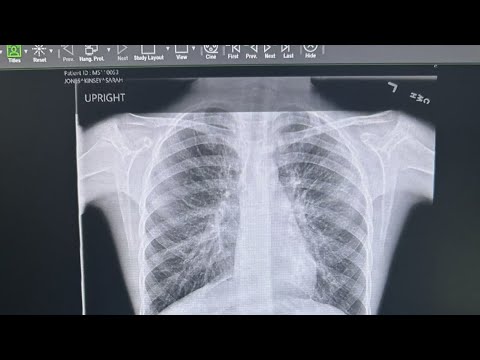
Hey there! Ever heard of mycoplasma pneumonia? Yeah, I know, it sounds a bit like a sci-fi villain. But trust me, it’s not as scary as it sounds.
Okay, so here’s the deal: mycoplasma pneumonia is a type of lung infection caused by tiny bacteria that don’t have a cell wall. That’s right—tiny! You could say they’re like the ninja of infections. You might even be wondering how this all ties into your health, right?
Well, figuring out what’s going on when you’re not feeling your best is super important. It can help you get back to doing the things you love—like binge-watching that new series or spending time with friends. So let’s dive in and take a closer look at those sneaky symptoms and what they really mean!
Identifying the Early Signs of Mycoplasma Pneumonia: A Comprehensive Guide
Hey there! Let’s dive into mycoplasma pneumonia, which might sound a bit heavy, but don’t worry, I’ve got your back. This is a type of lung infection that’s caused by tiny germs called mycoplasmas. It can be sneaky, showing up with symptoms that you might brush off as just a cold or the flu. So knowing the early signs can really help you take action.
First off, you might notice some initial symptoms that are pretty common:
- Persistent cough: This can start out dry but may get worse over time. It might just nag at you!
- Fatigue: Feeling unusually tired? That fatigue can sneak up on you and hang around longer than you’d expect.
- Fever and chills: A low-grade fever often tags along, sometimes giving you those shivery chills.
- Sore throat: Sometimes it feels like more than just allergies or dry air—it’s like someone went to town on your throat!
- Mild headache: Just a dull ache kinda hovering in the background, but still annoying.
Now, let me share something Personal with ya! My buddy once thought he simply had a bad cold. He was coughing and feeling super tired for days. When he finally got checked out, it turned out to be mycoplasma pneumonia! Crazy how those sneaky symptoms blended in with regular cold vibes. It made me realize how important it is to pay attention to what our bodies are telling us.
If you find yourself experiencing these symptoms, especially if they’re lingering or getting worse, it’s best to reach out to a healthcare professional. They’ll know what to do—and remember this info doesn’t replace their advice!
You don’t want to ignore these signs because catching it early can make all the difference in how quickly you’ll bounce back. So keep an eye on your health and take care of yourself! You deserve it.
Effective Strategies for Eliminating Mycoplasma Infections in the Lungs
Alright, let’s dive into mycoplasma infections. They’re a bit sneaky, you know? Mycoplasma pneumonia is a type of lung infection caused by tiny bacteria. These little guys can cause quite a nuisance, especially if you’re not aware of the symptoms. Some people might just brush it off as a regular cold or flu, but getting to the bottom of it can seriously help with your health.
So, when you’re dealing with a mycoplasma infection in your lungs, recognizing those symptoms is key. Common signs include:
- A persistent dry cough that doesn’t seem to go away.
- Fever and chills, which often feel like you’re battling something more serious.
- Fatigue, making you feel like you just ran a marathon when all you did was get out of bed.
- Sore throat or chest pain, which can be pretty uncomfortable.
You might remember hearing someone say they felt super tired and achy before they figured out what was going on. I had a friend who thought it was just allergies until she finally went to the doc and got tested. It turned out to be mycoplasma! Crazy, right?
Now, on the hunt for strategies to tackle this pesky bacteria? Here are some effective approaches that people generally find helpful:
- Hydration: Drinking plenty of fluids helps keep mucus thin and makes breathing easier.
- Rest: Seriously! Your body needs some downtime to fight this thing off.
- Follow up with your healthcare provider: They might recommend certain antibiotics if deemed necessary.
The thing is, while these strategies may help ease symptoms or promote recovery, they aren’t replacements for professional healthcare advice. Always check in with your doctor if things don’t feel right!
In short, understanding mycoplasma pneumonia is crucial for tackling those annoying symptoms effectively. So keep an eye out for those signs and make sure to reach out to someone when in doubt!
Understanding the Long-Term Effects of Mycoplasma Pneumonia: Insights and Implications for Recovery
Alright, let’s dive into a topic that’s not often chatted about: mycoplasma pneumonia. It’s one of those conditions that can sneak up on you, and understanding its long-term effects is super important. So, stick with me!
What is Mycoplasma Pneumonia? Well, it’s caused by tiny bacteria called mycoplasma pneumoniae, which can lead to a respiratory infection. You might think it’s just another cold or flu, but trust me, it can feel pretty rough.
Now, the thing is that many folks who have mycoplasma pneumonia experience lingering symptoms even after they “get better.” Let’s break down some of these long-term effects:
- Chronic Cough: This isn’t just a tickle in your throat. Many people report a cough that sticks around for weeks—even months! It’s like having an annoying roommate you didn’t ask for!
- Fatigue: Feeling tired all the time? You’re not alone. It’s common to feel drained as your body continues to recover.
- Persistent Shortness of Breath: Some might find that their breathing isn’t quite what it used to be—especially after physical activity.
- Sensitivity to Cold: Believe it or not, some people experience more sensitivity to temperature shifts post-infection.
You see, this isn’t just about getting through a week of feeling sick; it’s about how these effects can linger and change how you feel daily. I mean, I once had a friend who battled this and felt fine one day but was wiped out the next just walking up the stairs! Talk about frustrating!
The Good News? Most people do eventually recover completely! The key is taking things slow and allowing your body the time it needs to heal. So if you’re feeling off even after an illness like this one, don’t hesitate to reach out for help from healthcare professionals.
This info gives you some insights into what mycoplasma pneumonia can leave behind. And hey, if you or someone you know has been through this—remember: recovery takes time! Your health matters above all else.
Comprehensive Guide to Mycoplasma Pneumoniae Treatment Options and Strategies
Alright, so let’s chat about Mycoplasma pneumoniae. It’s a sneaky little bug that can cause respiratory infections, often leading to a condition known as atypical pneumonia. If you’ve ever had a cough that just wouldn’t quit or felt unusually tired, it could be linked to this germ. But don’t worry, I’m here to break it down for you in a friendly way!
First off, what makes mycoplasma pneumoniae stand out? Well, unlike other bacteria, this one doesn’t have a cell wall. That’s why traditional antibiotics don’t work on it. Crazy, right? You might think of antibiotics as the go-to solution for bacterial infections, but with this particular villain, it’s not so straightforward.
So how do you deal with it if you or someone you know is feeling under the weather? Here are some options folks usually consider:
- Antibiotics: There are specific types of antibiotics that can tackle mycoplasma infections effectively. Common choices include tetracyclines and macrolides. Just remember: they should be prescribed by a healthcare provider.
- Supportive Care: This is all about making yourself comfy—think hydration and rest! Seriously, your body loves when you take it easy and drink enough fluids.
- Over-the-counter meds: If coughing or pain is getting on your nerves, non-prescription medications may help ease those symptoms. Always check though—some things might not play nice together.
I remember when my friend Sam had what he thought was just a bad cold. He kept pushing through with work but ended up feeling worse and worse until he finally went to the doc. Turns out he had mycoplasma pneumonia! It was eye-opening how something that seemed so minor could really knock him off his feet.
The bottom line is: if you’re experiencing prolonged symptoms like a dry cough or fatigue that just won’t budge, it’s best to chat with someone who knows their stuff—like your doctor! They can help figure out what’s going on and suggest the right path for you.
Your health journey is unique to you. Always remember that relying on professional healthcare advice is super important when dealing with any health concerns! Stay informed but also trust the experts around you!
So, let’s chat about mycoplasma pneumonia. Sounds fancy, right? But seriously, it’s more common than you might think. It’s a type of lung infection caused by this sneaky little bacterium called Mycoplasma pneumoniae. The thing is, figuring out if you have it can be a bit tricky because the symptoms can be pretty mellow at first.
I remember when my friend Jake got hit with this nasty cough that just wouldn’t quit. At first, he thought it was just allergies or a cold—who doesn’t dismiss those annoying coughs sometimes? But then he started feeling really tired and achy, and that’s when things got real. It wasn’t just a passing phase; his body was trying to tell him something important.
So, what should you look out for? Well, symptoms often kick off like your typical cold—sore throat, cough, maybe even some low-grade fever. You might feel like you’ve been run over by a truck at times too! The weirdest part is that while some folks might experience mild symptoms, others can end up feeling pretty crummy.
And here’s the kicker: because it’s not always straightforward to diagnose, people sometimes ignore these signs for too long. This can lead to complications if left untreated—which is totally not what you want! This makes it super important to pay attention to what your body is telling you.
The bottom line is that awareness matters. Recognizing these symptoms early on could make all the difference in managing your health better—like catching a bus before it leaves the station! So next time you’re feeling under the weather and those pesky coughs hang around longer than usual, maybe give yourself a little check-in moment. It might just save you some hassle down the road!
But remember, talking to a healthcare professional is key if you’re worried about anything—this chat here doesn’t replace actual medical advice! So keep being curious about your health; it’s totally worth it in the end!
