

Hey there! Have you ever had a nagging pain in your elbow that just wouldn’t quit? Yeah, me too. It’s frustrating, right?
So here’s the scoop: there’s this cool new technology shaking things up in the world of elbow X-rays. Seriously, it’s not your grandma’s imaging stuff. We’re talking about advanced methods that make diagnosis quicker and way more accurate.
Imagine getting answers fast—like, way faster than waiting in a doctor’s office for ages. Sounds pretty great, huh?
In this article, we’ll dive into how these advancements are changing the game and making life a little easier for folks dealing with elbow issues. Buckle up!
Understanding Elbow X-rays: Key Conditions and Injuries Detected
So, you’ve got a question about elbow X-rays? I mean, who hasn’t wondered what’s going on with their elbow sometimes, right? Let’s break it down in a way that makes sense.
When you think about elbow X-rays, you’re picturing that quick snapshot of your bone and joint health. It’s like taking a picture, but instead of capturing a sunset, it shows the insides of your elbow. This can help your doctor spot any issues going on in there.
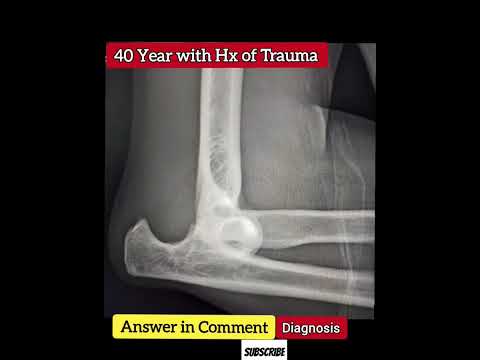
One of the most common things these X-rays reveal is fractures. You know those moments when someone takes a tumble and lands awkwardly on their elbow? Yep, an X-ray can show if there’s a crack or break in the bone.
Another key thing they look for is joint dislocations. Sometimes, during sports or even just playing around with friends, your elbow might pop out of place – ouch! An X-ray is super handy here too because it can clearly show if everything’s where it should be.
Then there are conditions like bursitis, which is basically inflammation around the joint. If you’ve ever had that swollen feeling in your elbow – not so fun, right? The X-ray helps to rule out other serious problems while confirming bursitis might be at play.
Don’t forget about arthritis, either! It can sneak up on you as time goes by. Those little changes in your bones or joint space get picked up by those fancy machines too.
It’s important to remember that while these X-rays give valuable information, they’re just part of the puzzle. You’ll still want to talk with a healthcare professional who can put all the pieces together and help figure out what’s next for you.
So next time someone mentions an elbow X-ray, you won’t just nod along; you’ll know it’s all about getting clear images of what’s happening inside! It’s pretty neat how much info we can gather from just one image – isn’t it?
Understanding the Cost of Elbow X-Rays: Factors, Pricing, and Insurance Coverage
Hey there! So, let’s chat about elbow X-rays. They’re super helpful for getting a good look at what’s going on inside that joint of yours. If you’re wondering about the cost, pricing can vary quite a bit depending on a few factors.
First up, the location matters. Some places just charge more than others because of their overhead costs. Big cities often have pricier clinics compared to smaller towns or rural areas. You might find that an X-ray in downtown is way more expensive than one in your local neighborhood clinic.
Next, there’s the technology used. I mean, not all X-ray machines are created equal! Advanced technology can offer clearer images and quicker results, but guess what? It might also come with a higher price tag.
Let’s not forget about insurance coverage. This can play a huge role in how much you end up paying out of pocket. You should check what your insurance plan covers regarding diagnostic imaging like elbow X-rays. Sometimes they cover it fully, other times you might need to fork over a co-pay or deductible.
- Location and type of facility
- Technology used for imaging
- Your insurance plan’s coverage
- The reason for the X-ray (emergency vs routine)
If you need an elbow X-ray after an injury or something like that, remember that diagnostic needs might influence the cost too. Emergency situations might be more expensive since they usually involve extra staff and resources.
The thing is, understanding these costs helps prepare you better when it comes time for those appointments! And while we’re talking finances here, don’t hesitate to reach out to your healthcare provider if you’ve got questions. They can give you insights tailored to your situation!
Just remember: this info doesn’t replace chatting with a healthcare professional when it comes to your health needs.
Understanding Elbow AP X-Ray Anatomy: Key Structures and Clinical Insights
So, you’ve heard about elbow AP X-rays and maybe you’re curious about what’s going on with that. Let’s break this down nice and easy, just like we’re chatting over coffee.
When we talk about an **elbow AP X-ray**, we’re looking at a specific kind of picture taken of your elbow from the front (that’s what “AP” stands for, by the way—anterior-posterior). This type of X-ray is super helpful for doctors to check out some key structures in your elbow.
First off, let’s highlight some important parts that show up on an elbow X-ray:
- Humerus: That’s the big bone in your upper arm. It connects at the elbow joint.
- Ulna and Radius: These are the two bones in your forearm. They work together to allow you to twist and move your arm.
- Joint Space: This is where the humerus meets the ulna and radius. It’s crucial for movement.
- Olecranon: That’s the bony tip that you can feel at the back of your elbow. You might even hit it sometimes—ouch!
Now, why does knowing all this matter? Well, if someone has pain or difficulty moving their arm, an X-ray can help figure out what’s going on internally. It can show fractures or other issues like arthritis.
Let me tell you—I remember when my friend Sarah fell off her bike and thought she just bruised her elbow. Turns out her X-ray revealed a tiny fracture! The doc could spot it right away thanks to that AP view.
Understanding how these bones and spaces look on an X-ray isn’t just for doctors; it helps patients have better conversations with them too! Knowing what they’re talking about makes it so much easier to understand what’ll happen next.
So next time you hear “elbow AP X-ray,” think about all those little pieces coming together to help keep us healthy and moving smoothly. But remember, always consult a healthcare professional for personal concerns—this info is just here to give you a clearer picture!
Understanding the Elbow AP Position: Importance and Technique in Medical Imaging
The elbow is one of those joints we often take for granted, right? But when it comes to medical imaging, understanding the **AP position**—that’s short for anteroposterior—can make a huge difference. Let’s break it down.
When getting an X-ray of the elbow, the AP position is super important because it helps doctors see both bones around the joint clearly. In this position, your arm is fully extended and rotated so the palm faces up. This orientation helps catch any fractures or abnormalities more effectively.
Why does this matter? Well, if you’re experiencing pain or have had an injury, accurate imaging is crucial for figuring out what’s going on. A well-done AP view can reveal issues that might be missed in other positions.
Here are a few key points about the elbow AP position:
- Clear Visualization: The AP view allows for a good look at both the humerus and radius/ulna bones.
- Joint Alignment: It helps assess how the bones align with each other, which is vital in diagnosing sprains or fractures.
- Lower Radiation Dose: In some cases, using advanced X-ray technology can mean lower radiation exposure while still getting quality images.
Imagine you’re at a friend’s barbecue, and they accidentally bump their arm into something heavy. Their elbow swells up like a balloon! An X-ray in the AP position could quickly show if anything’s broken or just sprained so they can get back to having fun without worrying.
So next time you think about knee injuries or wrist sprains, remember that our elbows play just as big of a role in our daily activities. Just keep in mind that getting proper imaging involves skilled professionals using specific techniques like the elbow AP position. It’s all part of helping ensure you’re on track towards recovery!
You know, when you think about it, we often take X-rays for granted. But recently, I’ve been hearing quite a bit about how elbow X-ray technology is stepping things up a notch. Crazy, right? Just think about the last time you or someone you know had an injury. Maybe it was a nasty fall while playing basketball or that awkward slip on ice in winter—ouch!
I remember my buddy Sam twisting his elbow during a game one time. It looked painful, and honestly, he didn’t want to budge. After the doctor took some X-rays, it turned out to be just a sprain—but still! The way they can see inside our bodies now is pretty wild. But I’m hearing that new tech is making this even better.
With advanced imaging techniques, doctors can get clearer pictures and more detailed info about what’s going on in there. It’s not just about spotting fractures anymore; they’re able to diagnose other conditions too. Imagine being able to see inflammation or any abnormalities with more precision—pretty neat if you ask me!
Plus, these advancements can lead to earlier diagnosis of issues that might otherwise fly under the radar. The thing is, quicker and more accurate diagnoses mean better outcomes for patients. You don’t have to wait forever to find out what’s wrong!
But here’s where it hits home for me: think about how much simpler life could be for people dealing with chronic elbow pain or sports injuries. Instead of living in uncertainty, they could get answers fast and start their journey toward healing right away.
Of course, while all this tech sounds fab—it doesn’t replace good ol’ human assessment from doctors who actually care and take the time to listen to patients. It’s like having the best of both worlds.
So yeah, while we should definitely get excited about these innovations in elbow X-ray tech—and give credit where it’s due—it’s essential that we keep a balance between machines and the warmth of compassionate care.
