

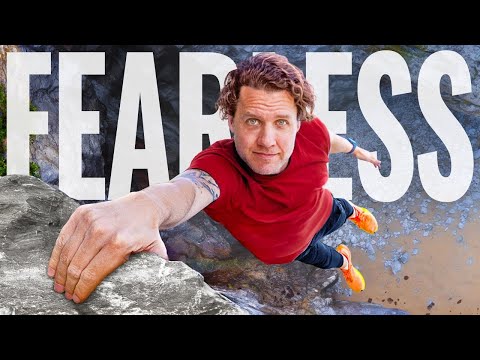
Hey there! Have you ever felt that knot in your stomach when you think about doing something that scares you? Yeah, me too. Fear can be a real party pooper sometimes, keeping us from enjoying life to the fullest.
But guess what? There’s this fascinating approach called Exposure Prevention Therapy that’s all about facing those fears head-on. Sounds a bit daunting, right? But stick with me!
It’s not what you might think. This isn’t some wild jump-into-the-deep-end kinda thing. It’s actually innovative and super gradual. You take baby steps towards what freaks you out, learning to manage those feelings along the way. It’s like training your brain to chill out around the things that make it anxious.
So, if you’re curious about how to conquer fear and embrace life more fully, keep reading! You might just discover a way to kick those worries to the curb.
Understanding Exposure and Response Prevention Therapy: Key Conditions Addressed
So, let’s chat about Exposure and Response Prevention Therapy, or ERP for short. If you’ve ever felt like fear is running your life, you might wanna pay attention! This therapy is often used to help people tackle anxiety disorders, mainly those that come with a lot of overwhelming fears.
Basically, ERP works by helping you face what scares you in a safe space. You know how sometimes when you avoid something, it just gets scarier? Well, that’s where ERP comes in. It’s all about confronting that fear head-on so it loses its power over time. Sounds intense, right? But it can be super effective!
Now let’s break down some key conditions this therapy addresses:
- Obsessive-Compulsive Disorder (OCD): This is where people may have unwanted thoughts or urges that make them feel like they need to do certain things over and over again to feel safe.
- Phobias: Think of those classic fears like heights or spiders. ERP helps you gradually face these fears without panicking.
- Social Anxiety Disorder: You know those moments when being around others feels like climbing a mountain? ERP can help ease those feelings and make social situations less scary.
- Post-Traumatic Stress Disorder (PTSD): If someone has experienced trauma, reliving those events can be tough. ERP offers coping strategies to help process these feelings.
I remember my friend Sarah who had a big fear of flying. She almost canceled her trip abroad because the thought of getting on a plane made her sick. With the help of ERP, she slowly faced that fear by watching videos about flying first, then visiting an airport, and eventually sitting on a plane while it wasn’t even moving! It was huge progress for her.
Overall, while ERP isn’t a one-size-fits-all solution and definitely doesn’t replace professional healthcare advice, it’s an interesting approach to help fight those debilitating fears we all sometimes face! Just remember—you’re not alone in this journey!
Exploring ERP Therapy: Effective Examples and Techniques for Overcoming OCD
So, let’s talk about ERP therapy, short for Exposure and Response Prevention therapy. It’s a big name, but the idea is pretty simple! It’s mainly used to treat Obsessive-Compulsive Disorder (OCD). You know how sometimes you have this nagging fear? Like, maybe you think something terrible is going to happen if you don’t wash your hands five times? ERP helps tackle those fears head-on.
The core concept of ERP is exposing yourself to what you’re afraid of, and then learning not to react the way your OCD wants you to. Sounds kinda scary, right? But it’s all about building resilience! Imagine standing at the edge of a swimming pool scared to jump in. The first few times are nerve-wracking. But once you’re in the water and realize it’s okay, you’re much better off!
- Gradual Exposure: This means starting with situations that cause less anxiety and gradually moving up to the bigger fears. Think of it like trying spicy food; you start with mild salsa before diving into ghost pepper sauce!
- Response Prevention: After facing your fear, you resist doing your usual compulsive behaviors—like running out to wash your hands. It’s like deciding not to check your email every five minutes even when you’re anxious about what might be there.
- Breathe Through It: Learning some breathing exercises can help when you feel that anxiety rising. It’s like taking a chill pill—just a few deep breaths can clear your mind.
A friend of mine once had this intense fear of germs. She couldn’t touch doorknobs without immediately feeling the need to sanitize her hands afterward. Through ERP, she started touching different surfaces and waiting longer before she washed her hands. At first, it was hard for her! But slowly she learned that nothing catastrophic happened; she began enjoying things like eating at restaurants again.
The thing is, ERP isn’t a miracle fix—you don’t snap your fingers and suddenly feel better overnight! It’s more like training for a marathon; it takes time and practice. Also, remember that everyone’s journey with OCD is different! If you or someone around you thinks they could benefit from ERP or any mental health support, chatting with a professional can be super helpful.
So yeah, that’s the scoop on Exposure and Response Prevention therapy! It sure has its ups and downs but give yourself credit for even thinking about taking those brave steps forward!
Understanding Post-Traumatic Stress Disorder: The Role of Exposure and Response Prevention Therapy
So, let’s chat about Post-Traumatic Stress Disorder (PTSD). It’s something that can happen after someone has gone through a really scary or traumatic experience. You know, like an accident or something intense. People with PTSD might have flashbacks, feel super anxious, or even avoid places that remind them of the trauma. It’s tough stuff.
Now, here’s where Exposure and Response Prevention Therapy comes into play. This type of therapy is all about helping folks face their fears in a safe way. Sounds kinda wild, right? But the idea is to gradually expose someone to the things they’re afraid of, so they can learn that those things aren’t as scary as they seem.
The process usually involves a few steps:
- Gradual Exposure: You start small—like maybe just thinking about the fear instead of jumping into it full force.
- Facing Triggers: Over time, you might actually confront situations that are linked to your trauma.
- No Avoidance: The goal is to help people stop avoiding these triggers because avoidance makes fear grow stronger!
I remember a friend once told me about her struggle with PTSD after a car accident. She was terrified to get in cars again. But through this therapy, she began by just sitting in parked vehicles—nothing crazy at first! Then slowly, she drove around the block with her therapist beside her. It wasn’t easy, but little by little she learned to trust herself again.
This kind of therapy isn’t a magic fix but it can help many people work through their fears and responses that pop up after traumatic experiences. Honestly, it’s all about turning down the volume on those overwhelming feelings so they don’t control your life.
Bearing in mind that while this approach may work well for some folks dealing with PTSD, it’s super crucial to find professional guidance when navigating such an intense experience.
So yeah, understanding how Exposure and Response Prevention Therapy works opens up a path for healing and helps reclaim those moments lost to fear!
Maximize Your Practice: Comprehensive ERP Training for Therapists
So, hey there! Let’s chat a bit about something super interesting in the world of therapy—**Exposure Prevention Therapy (ERP)**. You might have heard of it, or maybe not, but it’s all about helping folks tackle their fears. Think of it like training wheels for managing anxiety!
When you’re a therapist, getting the right tools and training can really help you support your clients. Comprehensive ERP training is crucial! It equips you with innovative techniques to guide people through their fears in a structured way.
Why Should You Consider ERP Training?
- You’ll Gain Confidence: The more you know, the better you’ll feel handling different situations with your clients.
- Real-life Techniques: You’ll learn methods that can be immediately applied to your practice—making your sessions more effective!
- Client Trust: When you bring fresh skills to the table, clients are more likely to trust your guidance and feel supported.
- Stay Updated: The mental health field is always changing. Ongoing training keeps you in the loop on best practices.
And remember, it’s not just about the fear itself; it’s also how we help clients navigate those feelings. For example, you might introduce small challenges that gradually lead to facing bigger ones. It’s like climbing a mountain—step by step!
Sometimes I think back to my friend Jamie who was terrified of flying. After some ERP sessions with their therapist, they started by just looking at planes online before eventually flying across the country for a wedding! That gradual exposure made all the difference.
So when we talk about maximizing practice, think about the amazing impact comprehensive ERP training can have—not just on your skills but also on those who seek your support. It’s all part of helping people overcome challenges and lead happier lives.
Just remember though: This info doesn’t replace professional healthcare advice! Always consult with folks who know this stuff inside and out if you’re looking for deeper insights or specific strategies.
You know, fear is one of those things that we all deal with, right? It creeps up on you sometimes, when you least expect it. I remember this one time I had to give a presentation in front of a room full of people. My heart was racing like I was about to jump out of an airplane! Anyway, the thing is, that’s when I first heard about exposure prevention therapy.
So, let’s dive into it a bit. This therapy is basically all about facing your fears head-on. Sounds a bit wild, huh? But hear me out! Instead of running away or avoiding what scares you—like public speaking or even spiders—you kinda start small and gradually work your way up.
Imagine this: if you’re afraid of dogs, you might start by just looking at pictures of them online or maybe watching videos until you feel more comfortable. Then you progress to maybe seeing a dog from afar. And eventually, you’re petting one! It’s like building your confidence brick by brick.
This approach helps your brain get used to the idea that the thing you’re scared of isn’t actually that bad. It’s kind of like when kids learn to ride a bike; at first they’re terrified they’ll fall off but then with practice they get better and start enjoying the ride!
And while exposure therapy can sound intense—like jumping into deep water without knowing how to swim—it’s really about taking baby steps at your own pace. You’re not expected to conquer fear overnight; it’s more like rolling with it until you feel empowered.
Of course, talking about fighting fear doesn’t mean you don’t still feel anxious sometimes—because let’s be real; who doesn’t? But this kind of therapy gives you tools and strategies to take control instead of letting fear control you. That realization is huge—I mean seriously empowering!
So if you’re feeling overrun by fears just remember: there are ways to tackle them, step by step. It’s okay not to feel fearless right away; it’s all part of being human! Sometimes just knowing there are paths forward can make all the difference in facing what holds us back.
