

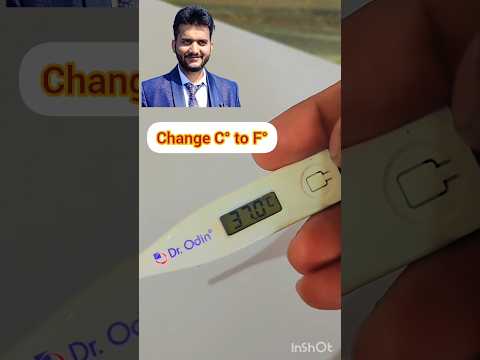
Hey there! So, let’s talk about something pretty crucial—your temperature. Yeah, you heard it right! You know when you feel a bit off? That slight unease that makes you think, “Hmm, maybe I should check this out?”
Understanding your body temperature can be a game-changer for your health. Tracking it in Celsius can give you some cool insights into what’s going on inside. I mean, who doesn’t want to understand their body better?
Stay with me here! It’s not just about knowing if you’re sick or not. There’s more to it than that! Whether you’re feeling a bit warm or just curious about your health vibes, getting a grip on your fever temperature can help you stay ahead of the game. So grab a cozy spot and let’s dive into this together!
Understanding Fever: Is 37.5°C or 38°C Considered a Fever?
Fever can be a pretty confusing topic, right? I mean, when you’re feeling all sweaty and hot, you might wonder if that’s just your body acting up or something more serious. So, let’s break it down together!
First off, the normal body temperature for adults usually hangs around 36.1°C to 37.2°C. But what about that line when things get a little spicy? Lots of folks ask if 37.5°C or 38°C is considered a fever. Well now, here’s the scoop:
- Generally speaking, a fever is typically recognized when your temperature hits 38°C or above.
- A reading of 37.5°C can sometimes be seen as low-grade fever but doesn’t always qualify as a full-on fever.
- Your body might feel warmer due to various reasons, like being active, drinking hot beverages, or even after a warm bath.
You know how sometimes our bodies react to stress? Just the other day, my friend was feeling hot after running up the stairs—turns out it was just her heart racing and not an actual fever!
When tracking your temperature for health insights, remember that variations can happen based on the time of day and how you’ve been feeling. It can change from morning to night!
So if you’re keeping an eye on those numbers and see anything over 38°C? That might just be your cue to take it easy and consider reaching out to someone who knows their stuff—like a healthcare professional!
At the end of the day, being in tune with your body is super important. Feeling off? Just take note of those numbers and how you’re feeling overall!
Comprehensive Guide to Measuring Fever in Celsius: Techniques and Tips
Measuring fever can be a bit tricky sometimes, but once you get the hang of it, it’s pretty straightforward. Fever generally indicates that your body is fighting something off. The normal body temperature for adults is usually around 37°C, but it can vary a bit from person to person. A fever is generally considered to be a temperature above 38°C. So, let’s talk about how to measure fever in Celsius!
Now, you’ve got a few different ways to check that temp. Here are some common methods:
- Oral Thermometer: This is the most common method. You place the thermometer under your tongue for about 60 seconds. Make sure you don’t eat or drink anything hot or cold before measuring.
- Rectal Thermometer: Often used for infants and small children because it’s really accurate. It’s a bit uncomfortable, but it gives reliable readings.
- Armpit (Axillary) Thermometer: This method isn’t super accurate but can give you a quick idea if you’re running a fever. Just pop it under your arm for about 5 minutes.
- Tympanic (Ear) Thermometer: Fast and pretty easy! Just insert it into the ear canal and voilà! Just remember to follow the instructions since positioning matters here.
One time, I was taking care of my little cousin who had just started feeling warm and cranky. His mom asked me if I could check his temperature with her fancy ear thermometer—he totally squirmed! After some giggles and wiggles, we got a reading of 39°C. It was high enough that we decided to call her doctor just to be safe.
When using any thermometer, always remember a few pointers:
- Calibration: Make sure your thermometer is calibrated correctly so you get accurate readings.
- Cleansing: Always clean your thermometer before and after use—this keeps things sterile!
- Avoiding Sweat: If you’re measuring armpit temp, make sure you’re dry; sweat can mess with the reading.
Lastly, know that measuring fever isn’t everything. If someone has elevated body temperature along with other symptoms like severe headaches or difficulty breathing, it’s definitely time to reach out for help from healthcare professionals.
So there you have it! Measuring fever in Celsius doesn’t have to feel overwhelming or confusing—just remember these tips and techniques next time someone feels under the weather!
Understanding Fever: Is a Temperature of 99.5°F Considered a Fever?
So, you wake up feeling a bit off, and you check your temperature. It reads 99.5°F. Now you’re wondering: is this a fever? Well, let’s dive into the world of body temperatures, shall we?
A normal body temperature usually hovers around 98.6°F (37°C). But here’s the twist—“normal” can vary from person to person. Factors like the time of day, how active you’ve been, or even what you just ate can mess with those numbers.
Now, about that 99.5°F reading: it’s often considered a low-grade fever. A fever is generally when your body temp hits 100.
Here are a few key points to know:
- Fever isn’t an illness itself; it’s actually a sign your body is fighting something off.
- Your body temperature can fluctuate throughout the day; morning temps may be lower than evening ones.
- The definition of fever can change based on age and other factors; what’s mild for one may be more serious for another.
Sometimes, when I feel a bit warm and fuzzy inside—yep, not just from love—it’s my body’s way of telling me it’s in battle mode against some germs or whatnot! And trust me, I’ve learned that keeping track of these little changes is super helpful.
If you’re keeping an eye on your temp or someone else’s and see it climb past that 100.4°F mark? That might mean it’s time to pull out the thermometer again and possibly chat with someone who knows their medical stuff better than we do!
The takeaway? A temp of 99.5°F isn’t quite crossing into fever territory; it’s more like a friendly nudge saying “Hey there!” Just remember—it’s always best to trust your gut and reach out for professional healthcare if something feels off!
How to Accurately Check Body Temperature Online: A Step-by-Step Guide
Checking your body temperature has never been easier, especially with all the tech around today. If you’re looking to track a fever in Celsius for some health insights, let’s break it down in a simple way.
First off, you don’t need fancy equipment. Your smartphone, if it has the right app, can help you get a good estimate of your temperature. Just remember that this is for informational purposes only and doesn’t replace professional healthcare!
Here’s how you can do it:
- Get the right app: Search for temperature tracking apps in your app store. Some can measure using infrared or even give estimates based on factors like your location and weather.
- Understand how body temp works: Normal body temp is around 36.1°C to 37.2°C (97°F to 99°F). A fever is usually considered when temps go over 38°C (100.4°F).
- Position yourself properly: When using an app that measures through your phone, hold it close to your forehead or wrist as instructed.
- Follow instructions: Each app has its own way of working. So read how they recommend measuring! It’s kinda like following a recipe; if you miss a step, things might not turn out right.
- Record results: Keep track of the temps you’re getting! Most apps let you log them so you can see patterns over time. This info is helpful if you end up chatting with a healthcare professional!
Now, let me share a little story here! A friend of mine was feeling super under the weather one day—definitely not her usual energetic self. She decided to check her temp using an app on her phone because she didn’t have a thermometer handy. Turned out she had a mild fever! Although she ended up visiting her doctor, that quick check gave her peace of mind while waiting.
The thing is, tracking your temperature online can be helpful but always remember: if you’re feeling unwell or have continued symptoms, reaching out to a health pro is key! Apps are nice tools but they’re not doctors.
So there you go! With these simple steps and some cool technology at hand, you’ll be able to monitor your body temp like a pro in no time!
Hey there! So, let’s chat about tracking fever temperatures and what it means for your health. You know, it’s kinda wild how something as simple as feeling warm can tell you a lot about your body, right? I remember when my little nephew, Max, had a pretty nasty cold. One minute he was bouncing around like a little ball of energy, and the next, he was all snuggled up on the couch with a blanket looking like a sad puppy. That’s when we decided to check his temperature.
Fever is usually defined as a rise in body temperature beyond the normal range—typically above 37 degrees Celsius (98.6 degrees Fahrenheit). But here’s the kicker: what does that really mean? Depending on who you talk to or where you look, normal can be anywhere from 36 to 37.5 degrees Celsius (96.8 to 99.5 degrees Fahrenheit). And, honestly, it can get confusing fast!
When your body heats up like that, it’s usually fighting off some kind of infection or illness. It could be from something minor like a cold or something that needs more attention. Watching for those degrees of hotness becomes super important because it can give you clues about what’s happening inside.
So if you find yourself or someone you care about running a fever—let’s say anywhere from 38 degrees Celsius (100.4°F) and above—you might want to pay attention! Fever might not sound like a big deal at first glance; however, tracking how high it goes and how long it lasts can really help in figuring out if you should reach out to someone who knows their stuff—like a doctor.
Also worth noting is that everyone has their own “normal.” What feels fine for one person might not be okay for another! It’s kinda like finding your favorite pair of jeans; they might fit just right for you but totally off for someone else.
At the end of the day though? Remember: keeping an eye on fever isn’t just about numbers—it’s about listening to your body and understanding its rhythms. So next time you’re feeling flush or someone close is burning up with warmth? Well now, grab that thermometer and start paying attention! Just don’t stress too much; sometimes our bodies just need to vent out all that heat as they kick butt against whatever bug is trying to bring us down.
