

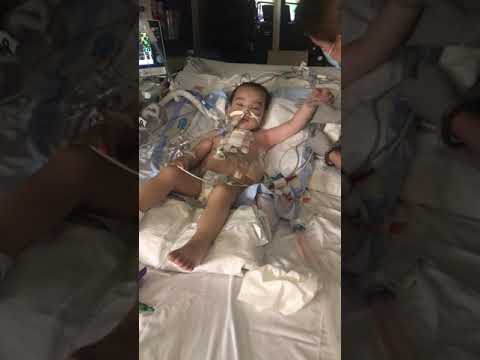
Hey there! So, have you ever heard about the Fontan procedure? If not, you’re in for a ride!
This isn’t just any surgery; it’s a life-changing game-changer for kiddos with certain heart conditions. Imagine having a heart that doesn’t pump blood the way it should. Sounds scary, right? Well, that’s where the Fontan comes in to save the day!
Basically, it helps kids breathe easier and live more active lives. But it doesn’t stop at just fixing things up; oh no—it brings along a wave of innovative solutions that keep evolving.
So stick around! We’re diving into how this revolutionary procedure is changing lives and what new possibilities are popping up. It’s gonna be interesting, I promise!
Understanding the Fontan Paradox: Implications for Cardiovascular Health
So, let’s talk about something called the **Fontan procedure**. It’s mainly used for kids born with certain heart defects, specifically those involving just one functioning ventricle. Now, if you’re like me, you might be thinking: “What does that even mean?” Well, it’s pretty much a surgical way to help the heart pump blood better when it isn’t working quite right.
Now here’s where it gets a bit tricky and interesting—the **Fontan paradox**. After having this surgery, the blood flow changes in such a way that it can lead to some unique challenges for cardiovascular health. You see, normally blood flows smoothly through your heart and lungs; however, after the Fontan procedure, certain things can get a bit jammed up.
What does this mean for people?
- They might experience issues with how their body gets oxygen.
- There could be increased pressure in certain blood vessels.
- A higher risk for complications like arrhythmias or clot formation.
You know what? It reminds me of when my buddy Sam tried to shove way too many clothes into his laundry bag. At first glance, it seemed fine until everything got tangled up and he ended up with a mess! Similarly, after the Fontan procedure, though the surgery helps at first glance, long-term flows can get complicated if not monitored closely.
But don’t worry! Just because there are these challenges doesn’t mean all hope is lost. With proper care and regular check-ups—seriously important—many people living with the Fontan circulation can lead active lives.
I guess it’s all about understanding these changes and taking steps to address them as they come along. Talk to your healthcare professionals; they’re there to guide you through this maze! Remember though: this info is just for your understanding and doesn’t replace what the experts say.
So yeah, that’s a quick peek at the Fontan paradox! Life after such surgeries comes with its own rhythm—you gotta find yours and dance along!
Understanding the Bjork Modification of Fontan: Key Insights and Implications
Alright, friends, let’s talk about something that might sound a bit complex but is super interesting—the Bjork Modification of Fontan. It’s connected to a procedure called the Fontan procedure, which helps people with certain heart conditions. So, if you’re curious about how this all works and why it matters, stick around!
The Fontan procedure is a way to help kids who are born with only one functioning ventricle. Basically, it reroutes blood flow within the heart. But here’s where the Bjork modification comes in. This modification adds a special component that allows for better blood flow dynamics. It’s like giving the heart a little boost!
- Improved Blood Flow: The Bjork modification helps to create a more efficient way for blood to move through the body. It makes sure that oxygen-rich blood gets where it needs to go.
- Less Strain on the Heart: By changing how blood moves in and out of the heart, it can reduce stress on other parts of the heart. This is pretty important for long-term health!
- Better Quality of Life: Kids who have had this modification often experience fewer complications down the road. It gives them more opportunities to be active and enjoy life.
So, imagine being a kid who gets tired running around but then suddenly feels like they can keep up with their friends! That’s what this innovation aims for.
The fascinating thing about the Bjork Modification is that it has paved the way for improvements in other related procedures too. It’s like one cool idea leads to another!
But remember, while this info is intriguing and enlightening, nothing beats talking to healthcare professionals if you have questions or concerns about your own health or someone else’s. They’ve got you covered with personalized advice!
Unraveling the Fontan Paradox: Understanding Its Persistent Effects on Heart Health
The Fontan procedure is a surgery for kids born with certain heart defects, like hypoplastic left heart syndrome. Basically, it helps blood flow to the lungs without going through the heart. Pretty smart, right? But here’s the catch: even though it can save lives, there’s something called the Fontan paradox that comes with it.
So what is this paradox? Well, you see, after the Fontan procedure, while patients might initially seem great, they can face some ongoing challenges later in life. It’s like opening a door to a whole new room full of surprises. Here are a few key points about what this means:
- Blood flow issues: Since these patients rely on gravity to pump blood back to their hearts, any change can mess things up.
- Heart function: Over time, their hearts might get tired and not work as well as they should.
- Risk of complications: There’s always a chance of developing issues like arrhythmias or problems with other organs.
I remember chatting with a friend whose little brother had this surgery years ago. At first, everything seemed fine. He was running around like any other kid! But as he got older, it became clear his heart needed extra care. It’s one of those situations where you think everything’s alright until it isn’t.
The thing is—understanding these effects is super important for patients and families. Routine check-ups and monitoring can help manage any surprises that pop up down the road. The Fontan paradox may sound intimidating, but staying informed and working closely with healthcare professionals can make a big difference in navigating heart health over time.
If you or someone you know is dealing with this situation, just remember—it’s okay to ask questions and seek support! It’s all about staying proactive and understanding your body better.
Understanding Life Expectancy After the Fontan Procedure: Key Insights and Factors
Life expectancy after the Fontan procedure can feel a bit complex, but don’t worry! Let’s break it down together. This surgery is typically performed on kids with certain congenital heart defects, mainly those affecting the heart’s ability to pump blood effectively. You might be wondering—how does this affect how long someone can live?
Basically, the Fontan procedure helps reroute blood circulation so that the heart doesn’t have to work as hard. This can lead to improved quality of life and better overall health for many patients, but it’s just one piece of the puzzle when it comes to life expectancy.
So, what factors come into play for those who’ve had this surgery? Here are some key insights:
- Age at Surgery: Kids who have the Fontan when they’re younger often do better in the long run.
- Overall Health: Other health issues or complications can impact longevity. Like, if a kiddo has additional medical concerns, that could change things.
- Regular Check-Ups: Ongoing care from specialized doctors really matters! Routine follow-ups help catch any potential problems early.
- Lifestyle Choices: Eating well, staying active, and avoiding smoking (if they’re older) plays a role too. Healthy habits help keep those hearts strong!
Oh! And let me tell you about Sarah. She was diagnosed with a congenital heart defect at birth and underwent the Fontan procedure around age 3. Fast forward to now—she’s in her teens and thriving! Regular monitoring and her family’s commitment to her health made all the difference.
In terms of numbers, studies suggest patients who’ve had a successful Fontan procedure may have good life expectancy into their 30s and beyond—often even longer if they take care of themselves! But remember, these are general trends and everyone’s situation is unique.
To sum it up: while there’s no simple answer when it comes to life expectancy after the Fontan procedure, understanding these factors gives a clearer picture. Always seek advice from healthcare professionals for personalized insights because that’s super important!
You know, every time I think about the Fontan procedure, I can’t help but feel a mix of awe and hope. It’s one of those advancements in medicine that really shows what human ingenuity can achieve. Honestly, it’s kind of mind-blowing when you consider how far we’ve come in heart surgery — especially for kids born with heart defects.
Let me tell you a little story. I met this amazing family a while back at a community event. Their little boy, Noah, had undergone the Fontan procedure when he was just a toddler. They shared how terrified they were before the surgery but also how relieved they felt after seeing him thrive post-op. It was like watching someone transform before your eyes! This kid was running around playing tag not long after recovering, and his parents were glowing with pride, you know? It struck me how such innovative solutions could change lives so drastically.
The Fontan procedure is all about rerouting blood flow for children who have a single ventricle heart defect. So basically, instead of having two working pumps (or ventricles), these kiddos get their blood circulation adjusted so they can still get oxygenated blood to the body. It’s complex and requires some serious skill from the surgeons involved. But hey, the results can be incredible!
It feels like we’re living in an era where medical science is pushing boundaries every day. And while this procedure isn’t without risks—like any surgery—when it works, it opens new doors for patients who otherwise wouldn’t have much chance at a normal life.
And let’s take a moment to appreciate the communities rallying around these kids and their families! Support groups springing up everywhere provide resources and emotional backing are just as vital as the actual surgeries themselves. They whisper reminders that no one is alone in this journey.
Of course, I’m not saying this replaces professional healthcare; there’s still so much research being done! But isn’t it exciting to think about how innovation like the Fontan procedure gives hope? A hope that allows families to dream again — of birthday parties, school plays, or simply growing up happy and healthy.
So next time someone mentions heart surgeries or medical breakthroughs, remember Noah’s story and how these revolutionary solutions aren’t just procedures; they’re lifelines for some incredible kiddos out there!
