

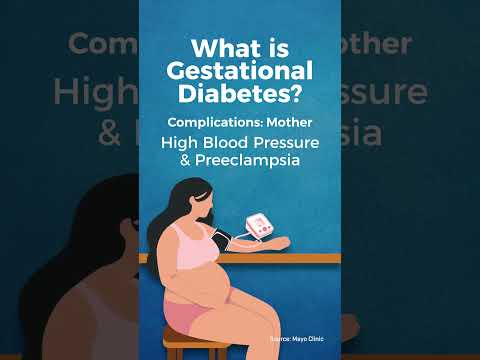
Hey there! So, let’s chat about something super important—gestational diabetes. Yeah, it sounds a bit scary at first, right? But it’s just a fancy term for when things get a bit wonky with blood sugar during pregnancy.
You know how some days feel like a rollercoaster? Well, that’s kinda what your body goes through when hormones and insulin aren’t playing nice. And guess what? A lot of pregnant folks experience this, but many don’t even know it!
So, what gives? How can you spot the symptoms before they sneak up on you? That’s what we’re diving into today. Seriously, knowing the signs can help you feel more in control and ready to tackle this journey. Stick around!
Recognizing the Warning Signs of Gestational Diabetes: A Comprehensive Guide
Gestational diabetes sounds intense, right? But really, it’s something quite a few pregnant folks deal with. Basically, it happens when your body can’t make enough insulin during pregnancy. And that can lead to some not-so-fun symptoms. Let’s break down some of the warning signs so you can keep an eye on things.
First off, you might feel **super thirsty** all the time. I mean, like you just ran a marathon in the desert! This thirst doesn’t really go away even if you drink water. It’s a signal that things might be off with your blood sugar levels.
Another sign is needing to **pee more frequently**. If you find yourself making multiple trips to the bathroom – especially at night – whoa there! That could be a clue that something’s up.
And then there are those **crazy hunger pangs**. You know when you’ve just eaten, but you’re still feeling like you could polish off a whole pizza? Yeah, that can happen too.
Some women also notice they’re feeling extra **tired or sluggish**. I mean, sure, pregnancy can make you tired anyway… but if it feels way beyond normal fatigue, it might be worth checking out.
You know what else? Some folks experience blurred vision or skin infections that just don’t seem to heal. These symptoms can sometimes creep in when gestational diabetes is at play.
So here’s a quick recap:
- Excessive thirst
- Frequent urination
- Increased hunger
- Extreme fatigue
- Blurred vision
- Persistent skin infections
Remember though: Just because you notice one or more of these signs doesn’t mean you have gestational diabetes! Seriously. It’s super important to talk to your healthcare provider for the right tests and advice.
Keeping an eye on these things can help catch any issues early on. And hey, taking care of yourself and your baby is what matters most!
Recognizing Signs of Gestational Diabetes in the Third Trimester: A Comprehensive Guide
Hey there! So, let’s chat about something important for expecting mamas out there: gestational diabetes. It’s a condition that can pop up during pregnancy, especially in that third trimester when your belly is really rounding out. You might be wondering what signs to look for, right? Well, here’s the scoop!
First off, gestational diabetes happens when your body can’t make enough insulin to handle the extra sugar from food. Your body’s just working super hard and sometimes it needs a hand. Now, in the third trimester, some common signs might start showing up.
- Increased thirst and hunger: You might feel like you could drink an entire ocean or eat everything in sight! This can happen because your body isn’t processing sugar properly.
- Frequent urination: If you are running to the bathroom every five minutes, it could be more than just the baby pressing on your bladder. It’s your body trying to get rid of all that extra sugar!
- Tiredness: Feeling more pooped than usual? Sure, being pregnant is exhausting, but it could also signal something more.
- Nausea: Some women report feeling queasy or having upset stomachs during this time. It’s definitely no fun!
- Distant vision changes: If things are getting a little blurry or you notice other changes in your eyesight, it might be worth mentioning to someone.
I remember my friend Sarah during her last months of pregnancy. She couldn’t quench her thirst no matter how much water she drank. It turned out she had gestational diabetes, and she had no idea until her doctor mentioned it at a check-up. Seriously eye-opening! Her story shows how important it is to listen to your body.
If any of these signs sound familiar, don’t freak out! Just reach out to a healthcare professional who can help you understand what’s happening. Keeping an open line with them is super crucial—so they can support you through this journey.
The thing is, awareness is key. Knowing what signs to look for means you’re better prepared as you near the finish line of this incredible experience called pregnancy!
Understanding the Causes of Gestational Diabetes: Did My Choices Contribute?
So, you’re pregnant and wondering about gestational diabetes? Totally normal! It’s one of those things that can sneak up on you, and it’s definitely worth understanding. First off, let’s clear the air: gestational diabetes isn’t your fault. It’s not about how much ice cream you had during a binge session or whether you skipped a workout. Let’s dive into what actually contributes to this condition.
Hormonal Changes are a big player in this game. When you’re expecting, your body goes through all sorts of transformations. Your hormones are all over the place, which can affect how your body processes sugar. Insulin is key here—it’s the hormone that helps manage your blood sugar levels.
Another factor to consider is weight gain. Gaining some weight during pregnancy is expected, but if you’re starting out heavier or gain too much too fast, it might put you at risk. It’s like stacking the odds in favor of developing gestational diabetes.
- Your Family History: If someone in your family has had diabetes, that could raise your chances too.
- Aging: The older you are when getting pregnant, the higher the risk of developing this condition.
- Your Ethnicity: Certain groups have a greater risk; for example, African American and Hispanic women tend to be more at risk than others.
- Previous Episodes: If you’ve had gestational diabetes in a prior pregnancy, odds are you’ll face it again.
If any of these factors apply to you, don’t panic! Being aware of them is key. Sure, it may sound overwhelming now… But just remember: many women have gone through this and managed just fine! Keeping an eye on your health during pregnancy is important—so keep chatting with your healthcare provider.
The thing is: it’s all about understanding your body and making choices moving forward. You’ve got this!
Understanding the Impact of Gestational Diabetes on Infant Health
So, let’s dive into gestational diabetes and its impact on infant health. You might have heard of this condition before, but what exactly is it? Well, it’s diabetes that can develop during pregnancy. Your body may not produce enough insulin to handle the extra sugar in your blood while you’re growing a tiny human. It’s more common than you might think!
Now, why should we care about gestational diabetes? Good question! It can affect not just you but also your baby. Here’s how:
- Macrosomia: This fancy word means that the baby could be born larger than normal. That’s because if there’s too much sugar in your blood, it can lead to extra growth. Imagine trying to deliver a big baby—yikes!
- Premature Birth: Sometimes, gestational diabetes can lead to early delivery. This can happen if your body is under stress from high blood sugar levels.
- Low Blood Sugar: After birth, babies might have low blood sugar (also called hypoglycemia). This can happen because they were getting all that sugar from you, but then they end up needing some adjusting.
- Increased Risk of Obesity and Diabetes: Kids born to mothers with gestational diabetes may have a higher chance of developing obesity or type 2 diabetes later in life.
There are also emotional effects on both sides. I remember a friend who dealt with this during her pregnancy. She worried every day about how her condition would affect her baby. It made her feel anxious and overwhelmed at times. It’s totally understandable!
But hey, the good news is that with awareness and proper monitoring, many women navigate through it successfully! Regular checks and communicating with healthcare professionals are key ways to help manage things.
So remember, this info doesn’t replace talking with a doctor or healthcare provider—just keep that in mind! Understanding what gestational diabetes is all about helps in taking steps toward having a healthy pregnancy and baby experience!
So, let’s chat a bit about gestational diabetes. I remember a friend of mine, Sarah, who had her little one not too long ago. When she found out she had gestational diabetes during her pregnancy, it felt like her world turned upside down—like she suddenly had to juggle flaming torches while blindfolded. It’s a lot to take in!
Gestational diabetes is when your blood sugar levels go higher-than-normal during pregnancy. This can happen because your body doesn’t make enough insulin (the hormone that helps sugar get into cells) to keep up with the changes that come with pregnancy. It’s pretty common, affecting a decent number of pregnant folks.
Now, symptoms can be kinda sneaky. Some women might not even feel anything different! But there are signs you might want to keep an eye on. You could notice an increase in thirst and hunger, or maybe you’ll feel like you’re running to the bathroom way more than usual—like, come on bladder! Plus, fatigue might hit harder than usual.
What’s so wild is that Sarah didn’t have any visible symptoms at first; it was only during her routine check-ups that they discovered it. The doctors actually caught it early thanks to some standard blood tests they do around the 24th week of pregnancy. She told me how relieved she felt knowing they were keeping tabs on everything.
And here’s the thing: gestational diabetes typically goes away after you have your baby; however, both mom and baby are at risk for developing type 2 diabetes later in life. So keeping healthy is super important—not just for now but for the future too!
But hey, if you find yourself wondering about this stuff or feeling uneasy with any symptoms during pregnancy? Seriously talk to a healthcare professional. They’re there to help you out and guide you through all those ups and downs.
It’s totally normal to feel overwhelmed—even scared—but knowing what you’re up against helps take some of that weight off your shoulders. So yeah, just keep being amazing and strong as you navigate through this journey!
