

Hey there! So, let’s talk about something that might be a bit painful—literally. Gout. Ever heard of it? It’s one of those conditions that can creep up on you and make your joints feel like they’re on fire. Ouch!
Imagine waking up one day, and bam! Your big toe is throbbing like crazy. Trust me, it’s not just a bad dream. Gout can hit unexpectedly, and when it does, it’s no joke.
But here’s the thing: with today’s tech-driven world, there are some pretty cool ways to tackle those nasty symptoms head-on. You don’t have to suffer in silence or live in fear of a flare-up!
In this chat, we’ll dive into what gout really feels like and how tech can help you manage it more easily than ever before. Sounds good? Let’s jump right in!
Rapid Relief: Discover the 10-Minute Gout Cure for Instant Comfort
Gout, you know, is that pesky condition that can make your joints feel like they’re on fire. It usually hits the big toe but can show up in other places too. The pain can be so intense that just touching the skin feels unbearable. It’s like your body has declared war on itself!
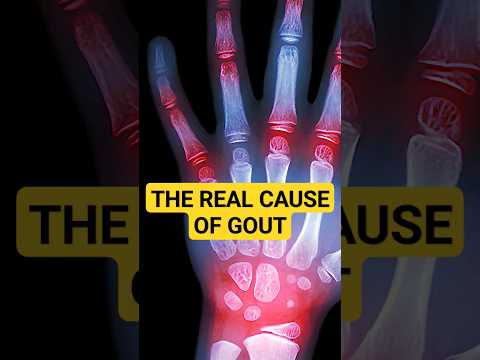
So, what exactly causes this? Well, it’s all about uric acid. When your body breaks down purines—substances found in certain foods—you end up making uric acid. Sometimes, your body produces too much of it or isn’t able to get rid of it properly. This leads to crystals forming in your joints, which is pretty much what sets off the fireworks of pain.
While there’s no magic “cure” for gout that works for everyone, some strategies can help ease the discomfort quickly. Here are some things you might find helpful:
- Stay Hydrated: Drink plenty of water! It helps flush out uric acid.
- Cold Compress: Applying something cold to the painful area can numb it a bit and bring relief.
- Cherry Juice: Some folks swear by cherry juice for reducing gout flare-ups.
- Avoid Trigger Foods: Steer clear of red meats and sugary drinks. They can make things worse.
- Epsom Salt Soak: Soaking your feet in warm water with Epsom salt might make them feel better.
- Baking Soda: Adding a bit to water is believed by some to help balance things out.
- Rest Up: Giving those joints a break helps with recovery.
- Pineapple: It has bromelain, which might help with inflammation.
- Avoid Alcohol: Alcohol can increase uric acid levels and make you feel worse.
- Sneak In Vitamin C: Some studies suggest Vitamin C may lower uric acid levels over time.
Now, I’ve heard stories from people who’ve dealt with gout flare-ups at the worst possible times—like during a family wedding or an important presentation at work. The kind of pain that stops you in your tracks! Seriously disruptive stuff!
But remember: these suggestions are not substitutes for talking to a healthcare professional. You shouldn’t rely solely on home remedies if you’re dealing with gout regularly.
And hey, if you’re having frequent flare-ups or wondering what’s going on with your health overall, it’s always best to get checked out by someone who knows their stuff. Take care of yourself!
Understanding the Main Cause of Gout: Key Insights and Information
Gout can be a real pain, literally! It’s that sneaky condition that sometimes strikes when you least expect it, making life pretty uncomfortable. So, what’s the deal with gout? Well, it’s all about too much uric acid in your blood, which can form little crystals in your joints. Ouch, right?
The main cause of gout usually revolves around diet. Certain foods—especially those high in purines—can pump up uric acid levels. Think red meats, shellfish, sugary drinks… basically a buffet of “maybe not so good” choices. Overeating these goodies can lead to flare-ups.
Another key point is genetics. If gout runs in your family tree, you might want to pay attention. Your body’s ability to process uric acid can really depend on what you inherited from the fam.
Now let’s chat about lifestyle factors. Being overweight or living a sedentary life can also set the stage for gout. Less movement often means more problems! Even some medications for high blood pressure and other conditions can impact uric acid levels.
So here are some important things to wrap your head around:
- Diet matters: Watch out for high-purine foods.
- Genetics plays a role: Family history is important.
- Lifestyle counts: Balance between exercise and weight is key.
You see, understanding gout is super helpful if you’re trying to navigate through its tricky landscape. If you’ve noticed symptoms like sudden toe pain or swelling (trust me, it’s not fun!), seeking professional care is essential. Always remember: knowledge is power, but it doesn’t take the place of healthcare advice!
Quick Solutions for Immediate Gout Pain Relief: Effective Strategies and Remedies
Gout is that annoying condition that usually shows up when you least expect it. It’s like your body’s way of saying, “Hey, I’ve had enough of all that rich food!” You might feel sudden pain, redness, and swelling in your joints, especially your big toe. Trust me, it can be brutal! So, if you’re caught in the middle of a gout flare-up and looking for some quick relief, here are some strategies and remedies you might want to try.
- Ice packs: Seriously, ice is your friend! Applying an ice pack to the affected area can help reduce swelling and numb the pain. Just make sure not to put ice directly on your skin—wrap it in a cloth!
- Stay hydrated: Drinking water can help flush out uric acid from your system. Aim for at least 8 glasses a day if you’re in pain. Plus, it keeps those kidneys happy!
- Rest those joints: I get it—you want to keep moving! But resting the affected joint as much as possible can really help soothe the discomfort.
- Over-the-counter meds: You might find relief with non-steroidal anti-inflammatory drugs (NSAIDs) like ibuprofen or naproxen. They’re commonly used to tackle pain and reduce inflammation. Always follow the instructions though!
- Avoid trigger foods: The thing is, certain foods can make gout worse—think red meat, shellfish, and sugary drinks. Keeping away from these during a flare-up can work wonders.
You know what’s wild? My buddy Mark had his first gout attack last year after a crazy food fest at a barbecue joint—like we’re talking sliders piled high with bacon! He was limping around for days! But once he started using these strategies during flare-ups? Way better control over his symptoms!
I hope these ideas give you some relief to ride out those tough moments. Just remember this isn’t a substitute for chatting with a healthcare professional about managing gout long-term—so don’t skip that step!
Understanding the Risks: Can Gout Lead to Life-Threatening Complications?
So, you’ve heard of gout, right? It’s that condition that makes your joints feel like they’re being stabbed by tiny daggers. Ouch! Gout is caused by too much uric acid in the body, which can form crystals in the joints. This can lead to intense pain and swelling.
Now, when it comes to whether gout can be a major player in life-threatening complications, the answer isn’t super straightforward. Here’s the thing: gout itself isn’t usually life-threatening, but it can lead to some serious health issues down the line.
- Kidney Problems: High levels of uric acid can cause kidney stones or even kidney disease over time. Not fun!
- Heart Issues: There’s a link between gout and heart disease. If you’re already at risk for heart problems, having gout might make things worse.
- Joint Damage: Recurrent gout attacks can eventually damage your joints permanently, impacting your mobility and quality of life.
Even if you think it’s just a bit of swelling and pain now, ignoring it could come back to haunt you later on. I once had a friend who shrugged off their joint pain for too long. They thought it was just aging catching up with them. But guess what? Turns out it was gout! And now they have to deal with the fallout… not cool.
The takeaway here is simple: while gout might seem like a nuisance at first, it has connections to other serious health risks. So if you’re dealing with any symptoms or have questions about your health related to gout or anything else, chatting with a healthcare professional is always a smart move! Seriously, don’t wait for those daggers to start causing chaos in your life.
Alright, let’s chat about gout. You know, it’s one of those things that can really throw a wrench in your plans. I remember my buddy Dave had a nasty flare-up right before his big fishing trip. He was so pumped for it, and then bam! Suddenly he couldn’t even walk. Gout isn’t just some fancy term; it can be pretty painful!
So, what’s the deal with gout? Basically, it’s a type of arthritis caused by too much uric acid in your blood. When those tiny crystals start hanging out in your joints—particularly your big toe—things can get really uncomfortable. You might feel swelling, redness, and let me tell you, the pain can be sharp enough to wake you up in the middle of the night.
Now, symptoms can pop up outta nowhere! You could be chilling one moment and then—boom—intense discomfort strikes. Isn’t that wild? And for some folks, certain foods like red meat or shellfish can trigger it. So if you’re a fan of those dinner parties with all the fancy food, you might wanna pay attention.
With today’s tech advancements though, dealing with gout is becoming a bit easier (thank goodness!). There are apps to track what you eat and how you’re feeling. These tools help you pinpoint what might be causing flare-ups and even remind you about hydration—which is super important since staying hydrated can help lower uric acid levels.
But remember: while tech’s great for managing symptoms and keeping tabs on triggers, it doesn’t replace chatting with a healthcare pro when things get tricky. They can help guide your journey through this whole thing.
Anyway, if you or someone you know is dealing with this kinda stuff, just know you’re not alone! Talking about it openly helps remove some of that stigma. Plus, sharing stories like Dave’s makes everything feel a little lighter. So keep an eye on those symptoms but don’t get overwhelmed; there are ways to manage them!
