

Hey there! So, let’s talk about avian influenza. Sounds serious, right? But here’s the thing—it’s not just a bird thing anymore. Yep, it can impact humans too.
Imagine your favorite farmer’s market. You see all those happy hens and ducks running around. Cute, huh? But sometimes, those little guys can carry something nasty that you really don’t wanna mess with.
Recognizing the symptoms early is super important. I mean, who wants to be caught off guard, especially when it comes to your health? You want to know what to look for before things get outta hand.
So stick around! We’re diving into the signs you should be aware of—think of it as a friendly heads-up! Let’s make sure you stay alert and ready!
Understanding the Symptoms of Bird Flu in Humans: A Comprehensive Guide
Alright, let’s chat about bird flu, or avian influenza, and what it can look like if it jumps from our feathered friends to us humans. The important thing is to stay informed, so you can recognize the signs early. Here’s a rundown.
First off, **bird flu** is a virus that usually hangs out in birds but can infect people in certain situations. It’s not super common for this to happen, but if it does, knowing the symptoms is key.
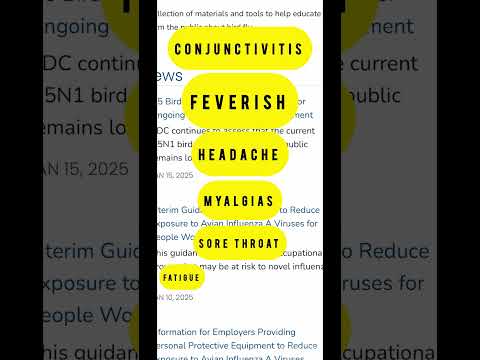
- Fever: Usually starts with a sudden high fever. We’re talking above 100°F (38°C). That’s not just your regular “I might have walked too far” temperature.
- Cough and sore throat: You might find yourself coughing more than usual, or maybe your throat feels scratchy. Not fun!
- Aches and pains: Think about those days when you feel like you’ve been hit by a bus—muscle aches included. If your body feels achy without clear reason, pay attention!
- Shortness of breath: This one can be a bit scary. If you feel like you’re struggling to breathe or are winded doing simple tasks, that needs to be noted.
- Nausea or diarrhea: Sometimes digestion gets thrown off too. Feeling queasy or having an upset stomach? Yeah, don’t ignore that either.
You know what’s kinda wild? Just last year I heard about someone who came back from a trip where they were close to chickens and started feeling really rough days later. Fever, cough—you name it! It wasn’t until they saw someone who knew what to look for that they connected the dots.
If you happen to notice any of these symptoms after exposure to birds—especially sick ones—don’t wait around! Getting professional help is super important; just remember this info isn’t meant as a substitute for healthcare professionals.
The thing is: staying alert is half the battle when it comes to staying safe. So keep these symptoms in mind and take care of yourself out there!
Understanding the Transmission of Bird Flu to Humans: Key Insights and Prevention Strategies
So, let’s talk about bird flu, or avian influenza, and how it can jump from our feathered friends to us humans. It sounds a bit scary, right? But understanding the transmission can really help you stay aware and safe.
First off, bird flu is mainly spread through direct contact with infected birds. This can happen if you’re handling them or even if you’re near their droppings. Imagine walking in the park and suddenly noticing some sick birds. Yikes!
- Close contact: If you work on a farm or in a pet store where birds are kept, your risk can be higher.
- Contaminated surfaces: Bird droppings can contaminate things like cages or even your shoes if you’re not careful.
- Aerosol transmission: In rare cases, tiny droplets from an infected bird’s cough or sneeze could land on you.
You might be wondering how serious this is for us humans. While most bird flu strains don’t easily infect people, there have been cases. That’s why being vigilant is key! Early recognition of symptoms can make a big difference.
If you notice signs like fever, cough, or sore throat after being around sick birds, it’s important to reach out to a healthcare professional. I remember my friend’s uncle who worked at a poultry farm; he got really sick after ignoring some early signs. Thankfully he got help in time!
Now let’s chat about how to prevent getting into that situation in the first place:
- Avoid contactwith wild birds or areas where they gather.
- Wash your handsthoroughly after handling birds or visiting farms—like really scrub those hands!
- If you’re feeling unwell after exposureto birds, take it seriously and consult a healthcare provider.
The thing is—staying informed helps protect not just you but also others around you. So seriously consider these points and keep an eye out! Remember though; this info doesn’t replace professional healthcare advice!
Identifying Bird Flu Symptoms in Chickens: A Comprehensive Guide
Identifying Bird Flu Symptoms in Chickens
Hey there! So, let’s chat about avian influenza, also known as bird flu. If you have chickens—or just love learning about them—you’ll want to keep an eye out for the symptoms. Catching it early can make a big difference!
First off, what should you look for? Here are some key signs:
- Behavior Changes: If your chickens suddenly become less active or isolate themselves from the flock, that’s a red flag.
- Respiratory Issues: Listen for coughing, sneezing, nasal discharge, or labored breathing. Chickens can be really noisy when they’re not feeling good!
- Drops in Egg Production: Are your hens laying fewer eggs than usual? That could signal trouble.
- Swelling: Watch out for swelling around the eyes and neck. It’s kind of like they’ve got a serious case of puffy eyes!
- Digestive Problems: Diarrhea or changes in droppings can also be signs that something’s up.
- Mortalities: Sadly, if you notice sudden deaths in your flock without any clear reason, it’s time to get concerned.
A friend once told me about her experience with one sick chicken. She noticed it was hanging out by itself in the corner—definitely not its usual social self. After some observation and talking to a vet (always a good move!), she learned it was important to pay attention to these subtle changes.
Remember, this list isn’t exhaustive! Bird flu symptoms can vary, and the best bet is to consult with a professional if you’re worried about your birds. Don’t wait too long!
Stay alert and keep those feathered friends safe!
Identifying Bird Flu Symptoms in Birds: A Comprehensive Guide
Hey there! So, let’s chat about something that can really affect our feathered friends: Bird Flu, or avian influenza. It’s important to keep an eye out for the symptoms because catching it early can make a big difference.
First off, you might wonder what symptoms to look for in birds. Here are some common signs:
- Lethargy: If your birds seem unusually tired or uninterested, that’s a red flag.
- Loss of appetite: Not eating can indicate they’re not feeling well.
- Coughing or sneezing: Just like us, birds can show respiratory issues when they’re sick.
- Swelling: Look out for any swelling around the eyes or neck; that’s not normal.
- Pasty vent: A messy bottom can be a sign they’re not doing okay internally.
- Change in egg production: If laying stops suddenly, it might mean something’s up.
You know, I remember when my friend had chickens and one day, she noticed one of them was just standing apart from the flock. It looked so sad and wasn’t pecking around like usual. Turns out, it was showing signs of illness that needed attention. It broke her heart to see her bird in such distress!
If you spot any of these symptoms in your birds, it’s best to stay calm but be vigilant. This doesn’t replace professional healthcare or advice from a vet—but knowing what to watch for is key! Keeping an eye on your flock could help you catch any problems before they get worse.
The thing is, staying informed is crucial when it comes to keeping our birds safe. So keep those peepers open and look out for signs of distress!
Hey there! Let’s chat about something that might not be on your radar but is definitely worth keeping an eye on—avian influenza, often called bird flu. Alright, I know it sounds a bit gloomy, but hear me out.
First off, let’s get real. Birds can carry this virus without showing signs of being sick. Crazy, right? Sometimes you see those cute ducks or chickens at the park and think nothing of it. But some of them could be carriers! So, what does that mean for us humans? Well, if you’re around infected birds and then start feeling under the weather, it helps to know what to look for.
Now, imagine this: Picture yourself walking in a park enjoying the sunshine when suddenly you see a flock of geese. You feel fine—until later that night when you can’t shake off a weird feeling. A little cough here, some muscle aches there… and you’re thinking maybe it’s just a common cold or allergies. But here’s the kicker: avian influenza can sometimes sneak in with symptoms that mimic those pesky colds or flus we all know too well.
Common symptoms may include fever, cough, sore throat—pretty standard stuff! But if you mix in some eye infections or serious breathing problems? Yikes! That can be concerning. So if you’ve been hanging out with birds (or even surfaces they might’ve touched), and suddenly you’re feeling like you got run over by a truck—pay attention!
It’s super important to connect the dots early because catching things like this before they escalate can make a big difference. It reminds me of that time my friend got sick after petting her roommate’s bird without washing her hands first (I still razz her about it!). She thought she was just tired at first until she hit fever pitch later on.
So anyway, staying alert is key! If something feels off after being around birds—like that pesky goose gang from earlier—it might be smart to get checked out by someone who knows their stuff medical-wise.
Let’s keep enjoying nature while also being wise about what we’re interacting with! Remember, awareness is half the battle here; paying attention to your body can really help keep us all healthy and chirpy.
