

Hey there! So, let’s chat about H1N1. You might’ve heard of it as the swine flu. Sounds kinda scary, right? But don’t panic!
It’s super important to recognize the symptoms so you can stay ahead of the game. Maybe you’re tech-savvy—always on your phone, checking out health trends and updates. I mean, who isn’t these days?
Knowing how to spot those pesky symptoms could save you a whole lotta hassle. From chills to headaches, there’s a range of signs that could pop up. And guess what? You totally got this! Let’s break it down together. Sound good?
Understanding the Technical Meaning of H1N1: A Comprehensive Overview
So, let’s talk about H1N1. You’ve probably heard of it before, right? It’s a type of influenza virus, you know, the flu. H1N1 came into the spotlight back in 2009 when it caused quite a stir worldwide. People got really worried, and for good reason! Understanding this virus is key to staying informed and healthy.
What exactly is H1N1? It’s a strain of the flu virus that can spread from person to person. This means if someone has it, they could pass it along through sneezes or coughs. Just like any other flu bug, it can pop up at any time during flu season.
Now let’s get to the symptoms. Recognizing them early helps in taking appropriate actions. Here are some common signs so you know what to look out for:
- Fever or chills
- Cough
- Sore throat
- Runny or stuffy nose
- Aches and pains
- Fatigue
- Headaches
- Some might even have diarrhea or vomiting.
You see how those symptoms sound like regular flu stuff? That’s because they are! For many people, it’s like getting a bad cold.
Now, I remember when my friend Sam got hit with H1N1 back in college. He was tired all the time and thought it was just due to late-night study sessions. But then he spiked a fever that made him feel awful! He ended up seeing a doc who confirmed it was H1N1. Thankfully, he recovered after some rest and fluids!
Staying informed is super important. Being tech-savvy helps here too! Keeping an eye on health updates online can be very helpful. Always make sure you’re checking credible sources for information though—don’t trust every meme you see on social media!
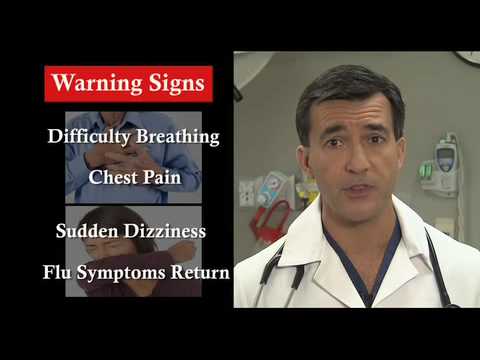
Lastly, don’t forget—if you ever feel really unwell or notice these symptoms hanging around too long, your best bet is chatting with a healthcare professional. They’re the go-to folks for anything serious!
So there you go! A quick rundown of what H1N1 is all about and how to spot its pesky symptoms. Stay curious and take care!
Understanding the Health Impacts of H1N1: What You Need to Know
So, you’ve probably heard about H1N1, right? It’s that pesky virus also known as the swine flu. Now, I’m not here to scare you; I just want to help you understand what it is and how it can affect your health. So let’s break it down!
H1N1 is an influenza virus. It spreads easily from person to person through coughing, sneezing, or even touching surfaces. You know how sometimes you get a little too comfy on public transport and someone coughs? Yeah, that’s when it can spread like wildfire.
Now, what are the symptoms you should be aware of? Generally speaking, they’re kinda similar to regular flu symptoms but can be a bit more intense. Here are some key points:
- Fever: Often high and comes on suddenly.
- Cough: Like a deep belly cough that just won’t quit.
- Sore throat: You might feel like you swallowed razor blades!
- Body aches: Think of feeling like you’ve just run a marathon.
- Chills and fatigue: You might find yourself wanting to hibernate like a bear!
I remember when my friend caught H1N1 a few years back. She thought she just had a cold at first but then found herself stuck in bed for days! It was rough. That’s the thing—sometimes you think it’s “just” the flu until it hits hard.
Anyway, if you’re feeling under the weather with these symptoms, it’s always good to reach out to someone who knows their stuff—like your healthcare provider! They can give you proper advice based on your specific situation. Just remember: don’t let social media freak you out too much; stay informed but don’t panic!
In summary, understanding H1N1 is all about being aware of those sneaky symptoms and knowing when to reach out for help. Keep washing those hands and staying healthy!
Understanding H1N1: Key Populations Most Affected by the Virus
So, let’s chat about H1N1, yeah? It’s one of those flu viruses that made quite a splash back in the day. You know, the swine flu? The thing is, while everyone can get it, there are some folks who are more at risk than others.
Key populations most affected by the virus include:
- Children: Young kids, especially those under 5 years old. Their immune systems are still figuring things out!
- Pregnant women: Expecting moms have a lot going on with their bodies. A flu virus can make things tougher for them.
- Elderly adults: Those over 65 might not handle viruses like they used to. Their immune systems need a little extra TLC.
- People with chronic health conditions: If you’ve got asthma, diabetes, or heart disease, you could face more severe symptoms.
- Healthcare workers: They’re on the front lines and exposed to sick people all the time. So they’re at higher risk.
You might be wondering why these groups are so vulnerable. Well now, it’s simple! Their immune systems either aren’t as strong or they’re dealing with other health issues that make it harder to fight off infections.
A few years back, my buddy’s little one caught H1N1. It was super scary for them. He had a fever and a nasty cough that just wouldn’t quit! Thankfully he bounced back after some rest and care at home. Just goes to show how quickly this virus can hit!
The symptoms to watch for include fever, chills, fatigue, and muscle aches—kind of like what you’d expect from regular flu season. But if someone in one of those key groups gets these symptoms? Uh-oh! That’s when it’s really important for them to reach out to healthcare professionals right away.
H1N1 is something we should keep an eye on because even though it might seem less scary now compared to when it first popped up, it’s still serious business for those more affected by it. Always remember, though: if you’re worried about your health or someone else’s—you should talk to a professional who knows their stuff!
Understanding H1N1 Virus Symptoms: Key Signs to Watch For
Hey there! So, let’s dive into the H1N1 virus, which is also known as swine flu. I remember when my buddy came down with it a few years back; he looked like a zombie for nearly a week. Seriously, it was rough! Anyway, understanding the symptoms can really help you stay aware and keep yourself and your loved ones safe.
First off, you might be wondering how to spot this virus. Well, here are some key symptoms to look out for:
- Fever: This one’s pretty common. You’ll likely feel hot, achy, and just plain miserable.
- Cough: It’s not just any cough; think of it as that dry tickle that won’t go away.
- Sore Throat: That scratchy feeling can make swallowing feel like a chore.
- Body Aches: You know those days when you just want to crawl into bed? That’s how this feels—like you’ve been hit by a truck.
- Fatigue: You might feel more tired than usual; even walking across the room can seem exhausting.
- Headache: A nagging headache can become your unwelcome companion during this time.
- Nasal Congestion: Your nose might decide to throw a party of its own, making it hard to breathe comfortably.
Now here’s the thing: not everyone will have all these symptoms. Some may even have mild signs while others feel like they’ve been knocked out cold. It varies!
Also, keep in mind that H1N1 can look pretty similar to regular flu or other respiratory illnesses. That’s why if you’re feeling under the weather and notice these symptoms sticking around, it’s always smart to get in touch with a healthcare professional. They really know their stuff!
So there you go! Keep an eye out for these key signs, and always better to be safe than sorry when it comes to health stuff. Remember though—this info isn’t meant as medical advice; it’s just here to help you kickstart your awareness about H1N1 symptoms! Take care!
You know, when I think about H1N1, or swine flu as most people call it, I can’t help but remember the panic during that outbreak back in 2009. I was in college at the time, and it felt like everyone was glued to their phones, refreshing news feeds and sharing updates about symptoms. It was like we were all trying to become instant experts overnight! But hey, who can blame us?
So, what should you be looking for if you think you might have H1N1? Well, typical symptoms are kind of similar to the regular flu. We’re talking fever, cough, sore throat – that kind of stuff. But also keep an eye on things like body aches and fatigue. Sometimes people even report chills or headaches. Imagine a really bad cold but turned up a notch!
I remember my friend Sarah tossed and turned on her couch for days with a fever because she thought it was just a cold. She kept checking those health apps on her phone for guidance! Eventually, she figured she should see someone when she couldn’t shake off that awful feeling. Seriously though, if you’re feeling pretty crummy and those symptoms hang around longer than expected or start to get worse—it’s time to reach out to a healthcare professional.
And here’s something worth mentioning: pregnant women or folks with chronic health issues should be especially cautious since they can face more serious complications from H1N1. I mean, it’s just common sense to pay extra attention if there are any risk factors involved.
With all our tech at our fingertips nowadays—apps that track your health and online forums buzzing with information—you’ve got tools that can keep you informed! But don’t forget that real-life advice is crucial too. Nothing beats getting solid information from trusted sources or directly from your doctor.
So yeah, keeping an eye out for those classic flu-like symptoms is smart but don’t let the worry take over. Knowledge is power, but so is knowing when it’s time to put down that phone and talk to someone who knows their stuff! And remember: this chat ain’t no substitute for professional healthcare—it’s just me sharing some thoughts as a friend would do!
