

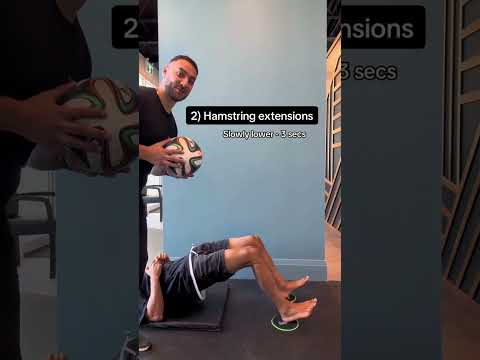
Hey there! Ever felt that sudden jolt in your leg while sprinting? Yeah, that’s the dreaded hamstring strain. As if running isn’t challenging enough, right? It can totally throw a wrench in your game.
You know, I once saw my buddy take off like a rocket during a soccer match. He was so pumped but then—bam! He was down with a hamstring strain. I could literally see his hopes of scoring vanish in an instant.
But don’t worry, we’re diving into this together! We’re gonna chat about some cool creative ways to get you back on track and keep those muscles happy. So, whether you’re an athlete or just love staying active, stick around. This is all about reviving your game and kicking those strains to the curb!
Can You Heal a Pulled Hamstring in Just 2 Days? Exploring Fast Recovery Techniques
Hey there! So, let’s talk about that pesky pulled hamstring. If you’ve ever had one, you know it can be a total buzzkill. Your hamstring is that big muscle at the back of your thigh. When it gets stretched too far, bam! You’ve got yourself a strain. Now, can you heal a pulled hamstring in just 2 days? Well, it’s not exactly magic, but there are some techniques that could help speed up the recovery a bit.
First off, **rest is key**. It’s like giving your muscle a little timeout. If you keep using it when it’s hurt, you’re just asking for more trouble.
Then there’s **ice therapy**. Putting ice on the area can help reduce swelling and numb the pain. Just don’t go overboard—20 minutes at a time works well, then take a break!
Also, consider **compression** with an elastic bandage or wrap. This helps keep swelling down and supports your leg while it heals.
You might even try some gentle stretching once the pain starts to ease—just listen to your body! Some people swear by gentle range-of-motion exercises to keep things moving without overdoing it.
Now, here’s something cool: hydration! Staying hydrated can support muscle recovery too. Ever feel better just by drinking water? It’s not all about sports drinks!
But hey, remember this: everyone heals differently! Two days might feel super optimistic depending on how bad the strain is. For some folks, being back in action in two days could happen; for others? Maybe not so much.
So if you’re thinking about jumping right back into the game after those two days, make sure you feel ready and maybe even chat with a pro first.
To wrap it up:
- Rest is essential.
- Ice can relieve pain and swelling.
- Compression helps support your leg.
- Gentle stretching may aid recovery.
- Hydrate for better muscle healing.
Just remember to take care of yourself and listen to what your body says!
Comprehensive Hamstring Return to Play Protocol PDF: Guidelines for Safe Recovery
So, you’ve pulled your hamstring, huh? Yep, those muscles at the back of your thighs can be a little tricky sometimes. They get tight or strained, and boom—you’re sidelined. It’s super frustrating when you just want to get back into the game. But don’t sweat it! A good return to play protocol can help you bounce back safely.
When it comes to recovering from a hamstring strain, you’ll wanna follow some guidelines that most experts agree on. Remember, though—this isn’t a replacement for actual medical advice, so always check in with someone who knows their stuff.
First off, let’s talk about rest. You really need to give those hamstrings a break at first. That basically means no running, jumping, or any high-intensity stuff straight after an injury. Think of it like letting your favorite pizza cool down before diving in; you’ll avoid burns later!
Then there’s rehabilitation. This step is key! Engaging in gentle stretching and strengthening exercises really helps. Just imagine slowly easing back into things like light activities that don’t strain your muscles. Maybe start with walking or yoga? You’ll feel like you’re getting there without rushing.
Next up is gradual progression. Once things start feeling better—and I mean genuinely better—you’ll need to ramp up your activities step by step. Maybe throw in some light jogging before hitting full sprints again. It’s like leveling up in a game; you wouldn’t jump straight to the final boss without practicing first!
Of course, during this whole process, it’s totally essential to listen to your body! If something feels off or painful—even if you’re super eager—it might be time to take a step back and reassess.
Finally, keep communication open with coaches or trainers if you’re part of a team sport (you got this!). They’re typically great resources on how much activity is safe as you recover.
So there you have it! A simplified way of looking at returning to play after a hamstring strain. Just remember: patience is key here. You want your body ready and raring to go when it’s game time again!
Effective Strategies for Rapid Recovery from Hamstring Strains
So, you’re feeling that tightness in your hamstring, huh? Ouch! I can’t tell you how many times I’ve pulled one of those pesky muscles. It’s like, just when you’re gearing up for a run or a game, BAM! You feel it. But don’t worry—let’s chat about some strategies that could help speed up your recovery.
First off, taking care of yourself is key. Rest is super important! When you strain your hamstring, just giving it some time to chill out can make all the difference. Laying low doesn’t mean you have to be totally lazy—just avoid those high-impact activities for a bit.
Now let’s talk about ice. Yep, the good ol’ ice pack can be your friend here. Applying ice to the area helps reduce swelling and numbs the pain. Just remember to wrap it in a cloth first so it’s not directly on your skin—ouch again!
You might also want to consider compression. Wearing a compression bandage can provide support and help keep swelling in check. Think of it like giving your hamstring a gentle hug while it heals!
Don’t forget about elevation! Keeping your leg propped up can help decrease swelling too. So grab some pillows and get cozy on the couch; it’s like being pampered!
And once you start feeling better, gentle stretching and strengthening exercises are important. But take this slowly—there’s no need to rush things back together. A little yoga or light stretching might just do the trick.
Of course, listening to your body is crucial. If something feels off while doing any activity or exercise, just take a step back and give yourself more time. Everyone’s recovery journey looks different.
Remember though: these tips are just here for general info and don’t replace real medical advice from pros who know their stuff.
So, give yourself time to heal up right! You want to be back in action stronger than ever when that hamstring is ready to roll again!
Rapid Recovery: Heal Your Pulled Hamstring in Just 2 Days
So, you’ve pulled your hamstring. Ouch! That’s no fun, right? You probably can’t wait to get back on the field or into your routine. A pulled hamstring can feel like a big setback, but there are ways to help speed up your recovery. Just remember, it’s always smart to check in with a pro for personalized advice.
First off, let’s chat about what a hamstring is. It’s a group of muscles at the back of your thigh that help you bend your knee and move your leg. When these muscles get stretched too much or torn, it can hurt like crazy!
Now, here are some things that may help you bounce back in just two days:
- Rest: Seriously, don’t push it! Give those muscles a break.
- Ice: Apply ice packs for 15-20 minutes every couple of hours to reduce swelling.
- Compression: Wrap the area with an elastic bandage to keep swelling down and support healing.
- Elevation: Keep that leg up when sitting or lying down to minimize swelling.
- Gentle stretching: Once you’re feeling less pain (and always after the initial rest), some light stretching might be helpful.
You know what helped my friend Sam recover from his pulled hamstring? He took it easy for two days and followed similar steps. By the end of day two, he was feeling way better! But he made sure not to rush back into things too quickly—he listened to his body.
Remember though, every injury is different. What works wonders for one person might not do the same for you. So it’s super important to take care of yourself and consult someone who knows their stuff if you’re unsure about anything.
The bottom line? A pulled hamstring can be frustrating, but with some TLC and patience, you might just find yourself bouncing back quicker than you think. Make sense?
So, let’s chat about hamstring strains. Ugh, right? I mean, if you’ve ever had one, you know how frustrating it can be. Just when you’re feeling on top of your game—whether it’s hitting that sweet spot in your soccer match or aiming for a new personal record in your runs—bam! A little tweak and suddenly you’re on the sidelines.
I remember a time when my friend Lily was training for a half marathon. She was super pumped and, honestly, so inspirational to be around. She trained like a boss but ended up with a nasty hamstring strain during one of her long runs. We were all cheering for her, thinking she’d be racing soon, but then she was stuck icing her leg on the couch while we were out hitting the pavement. Talk about a bummer!
So what’s up with hamstring strains anyway? They happen when those muscles at the back of your thigh get overloaded or stretched too much. It’s like they just wave the white flag and say “Not today!” And trust me, that puts you right into recovery mode—which can be such a drag!
But here’s the good news. There are some innovative solutions out there that can help you bounce back and maybe even prevent future injuries. For starters, some folks are swearing by recovery tools like foam rollers or massage guns. Seriously, those vibrating gadgets feel heavenly on sore muscles! And don’t forget about mobility exercises; they’re like giving your body a kind hug!
Speaking of hugs—I’ve heard amazing things about compression gear too! It’s not just for show; it helps improve blood flow to your legs when you’re active or recovering post-workout. It’s almost like wearing a gentle squeeze around those hard-working hamstrings to keep them happy.
I also came across some cool new apps designed to guide you through custom rehab programs. Can’t lie; using tech to help heal sounds pretty awesome to me! You can follow along at home without feeling lost.
But hey, even with all these innovations floating around, listening to your body is key! Pushing through pain isn’t always the bravest move—it might be more about being smart than tough.
In the end, whether you’re coming back from an injury or just aiming for better performance, remember that taking care of yourself is not just important—it’s essential! So here’s to stronger hamstrings and no more sidelined days! Remember: this isn’t medical advice or anything; just some friendly chit-chat about keeping it real in our fitness journeys!
