

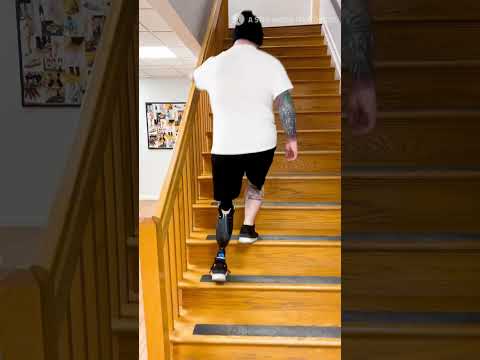
Hey there! Have you ever heard of rotationplasty? It’s one of those wild medical techniques that sounds a bit sci-fi, but trust me, it’s real and pretty amazing. Imagine taking a setback and flipping it upside down, literally!
So, here’s the deal: rotationplasty is a nifty procedure that’s changing the game for folks with certain leg issues. It involves surgically rotating a part of the limb to create a new joint. I know, it sounds strange at first! But the results can be life-changing.
Think about someone regaining their ability to walk or run after an injury—like my friend Lily who struggled after her accident. She was worried she’d never be able to play with her kids again. But thanks to this incredible technique, she actually got her groove back!
Stick around as we dive into what rotationplasty is all about and why it’s sparking hope for so many people out there. You might just end up as fascinated as I am!
Understanding the Rationale Behind Foot Rotation in Rotationplasty Procedures
So, let’s chat about something called rotationplasty—it’s one of those topics that sounds super fancy but is actually pretty fascinating! You might be wondering, what’s the deal with foot rotation in this procedure? Well, buckle up because we’re diving in!
Rotationplasty is a surgical procedure that’s mostly done for folks dealing with certain types of leg amputations. The whole idea here is to give patients better mobility. Now, here’s where foot rotation comes into play.
When a leg is amputated above the knee, doctors can take the lower part of the leg and rotate it 180 degrees before reattaching it. Sounds wild, right? This rotation allows the ankle to serve as a new knee joint. But why do they do this? Let’s break it down:
- Improved Functionality: By rotating the foot and connecting it where the knee used to be, patients can use their ankle for movement instead of relying on a traditional prosthetic knee.
- Enhanced Stability: The ankle joint is more stable than many other joints when it’s used this way. That means less wobbling around and more control while walking.
- Natural Gait: It helps maintain a more natural walking pattern. People using this method often find they walk with less effort.
I remember this story of a young girl who had to go through this procedure after battling cancer in her leg. After her surgery, she was amazed at how quickly she could get back to playing soccer with her friends! That’s all thanks to how well her body adapted to using her ankle as a knee.
But hey, just because it sounds cool doesn’t mean everyone goes through rotationplasty. The decision depends on various factors like age, health condition, and personal preference.
Remember though: If you or someone you know is considering options related to amputation or mobility solutions like rotationplasty, chatting with healthcare professionals is key for personalized info! They can provide insights tailored to individual needs—it’s super important for making informed decisions!
Anyway, that’s the scoop on foot rotation in rotationplasty procedures. Pretty neat stuff when you think about how far medical science has come!
Exploring the Benefits of Physical Therapy in Post-Rotationplasty Recovery
So, let’s chat about something that can really change lives: physical therapy after a rotationplasty. You might be wondering what rotationplasty is. Well, it’s a surgical procedure often done on children and young adults who have lost part of their leg due to cancer or other serious issues. The cool part? It helps them regain mobility in a totally new way! But after surgery, physical therapy is super important for recovery.
Physical therapy plays a key role in helping you or your loved one get back on their feet and moving again. Here are some benefits:
- Improves strength: After surgery, muscles can feel weak and stiff. Physical therapists help rebuild strength through specific exercises.
- Enhances flexibility: Stretching is crucial! It helps prevent stiffness and keeps joints moving freely.
- Aids in pain management: Gentle movements can actually help reduce pain over time. Who doesn’t want that?
- Busts out those mobility skills: Therapists teach essential techniques for walking and using assistive devices like prosthetics.
- Makes it personal: Every recovery is different. A physical therapist will design a plan just for you or your loved one’s unique needs.
I remember when my buddy Mark had his rotationplasty done. He was nervous about how he’d ever play soccer again! But with dedicated physical therapy, he slowly gained confidence and strength. Just a few months later, he was running around the field like he owned it!
It’s important to keep in mind that physical therapy isn’t just about exercises. It’s also about encouragement and emotional support during this challenging time. So if you’re facing recovery from rotationplasty—or know someone who is—know that physical therapy offers incredible benefits to help navigate this journey.
Just remember though: Always talk to healthcare professionals for the best advice tailored to individual situations! That’s where the real magic happens.
You know, I was sitting with a friend the other day, and we started chatting about all the incredible advancements in medicine. You wouldn’t believe how many cool things are happening right now! One topic that popped up was something called rotationplasty. Yeah, it sounds kinda sci-fi, right? But trust me, it’s pretty amazing.
So here’s the deal: rotationplasty is done for folks who’ve had part of their leg amputated—usually due to cancer or some serious trauma. Instead of just replacing that missing part with a prosthetic, doctors actually take a piece of the lower leg and reattach it in such a way that your ankle acts like your knee. It sounds wild, but it can help people regain mobility in ways that typical prosthetics sometimes can’t.
I remember this story about a kid named Sam who had to go through this procedure when he was super young. Imagine being a kid and dealing with all that! But after rotationplasty, he got to run around just like his friends again—maybe even faster! His joy was contagious as he kicked soccer balls and played tag without missing a beat. It really made me think about what mobility means for so many people and how much impact it has on their lives.
But here’s the thing: while rotationplasty offers incredible hope for mobility restoration, it’s not without its challenges. The recovery process can be tough—like learning to walk all over again! Plus, not everyone might be a candidate for this type of surgery; it’s definitely something doctors evaluate closely.
At the end of the day, though, I love seeing how innovation in healthcare is giving people new options and opportunities to live full lives. It’s heartwarming to think about how something as unique as rotationplasty can quite literally change someone’s path. So yeah, if you ever hear someone talking about it or you come across info on this procedure, just know it’s more than just medical jargon—it’s about real lives being transformed!
