

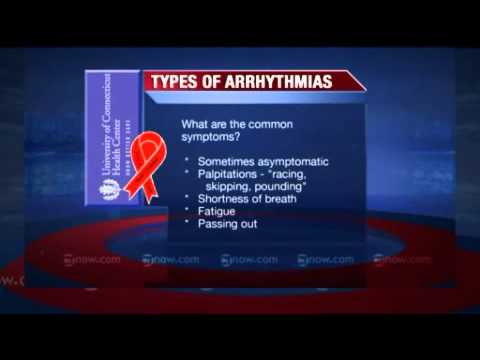
Hey there! So, you ever felt that weird flutter in your chest? Or maybe your heart races for no reason? You’re not alone. A lot of people experience this stuff, but it can be a bit freaky.
Heart arrhythmias might sound scary, but they’re more common than you think. Basically, they’re just irregular heartbeats. Sometimes fast, sometimes slow. But how do you know what’s going on? That’s where smart solutions come in.
In this chat, we’ll dive into recognizing those sneaky symptoms. I mean, understanding what your body’s trying to tell you is super important! So grab a comfy seat and let’s break it down together.
Top Smartwatches for Effective Atrial Fibrillation Detection in 2023
So, let’s chat about smartwatches, specifically how they can help you keep an eye on your heart. You might have heard of **atrial fibrillation**, which is basically when your heart starts to beat in a weird, irregular way. It can be tricky to notice right away. But guess what? Some smartwatches are designed to help you spot these symptoms early on.
Now, not all smartwatches are created equal when it comes to heart health tracking. Here are some of the top options out there in 2023 that you might want to check out:
- Apple Watch Series 8: This bad boy has a built-in ECG feature that can detect signs of atrial fibrillation. It’s super user-friendly and integrates well with other apps.
- Samsung Galaxy Watch 5: Kicking it up a notch, this watch also offers ECG monitoring and measures blood pressure, helping you stay on top of your heart health.
- Fitbit Sense 2: Known for its wellness features, the Fitbit Sense 2 includes heart rhythm notifications. It’s great for tracking your overall health too.
- Garmin Venu 2: Perfect if you’re into fitness! The Garmin not only tracks activity but also monitors your heart rate continuously.
Now, imagine you’re just chilling on the couch when suddenly you feel a flutter in your chest. That’s kinda scary, right? A friend once told me she had no idea something was off until her smartwatch alerted her about an irregular heartbeat during her morning jog. She was able to see the doctor right away—you know how important that is!
**But remember**, while these watches can help in recognizing symptoms like atrial fibrillation, they’re not replacements for professional healthcare. If you’re feeling something’s off or get alerts from your watch, it’s always best to chat with a healthcare provider.
So yeah, smartwatches can be pretty handy tools for keeping track of your heart’s rhythm! Just keep enjoying life and let tech do its thing—just don’t forget the importance of those regular check-ups!
Top Apps for Detecting Heart Arrhythmia: A Comprehensive Guide
So, let’s talk about heart arrhythmia. You know, that thing where your heart beats all funny sometimes? It can be super unsettling. The good news? There are apps out there that might help you keep an eye on your ticker. Just remember, these tools are not a replacement for a doctor or real medical advice.
What is Heart Arrhythmia?
Heart arrhythmia means your heart might be beating too fast, too slow, or just not in a regular rhythm. Sometimes you might feel it as fluttering or palpitations. It can happen to anyone at any age, and while some people don’t feel much, others could find it pretty alarming.
Now let’s dive into some cool apps designed to help track those funky rhythms:
- Heartify – This app lets you monitor your heartbeat using your smartphone camera! Just place your finger over the lens and it calculates your pulse. Super easy!
- AliveCor Kardia – A bit more high-tech, this app works with a small device you attach to your phone. It can produce an electrocardiogram (that’s a fancy word for recording the electrical activity of your heart). Not only does it help detect irregularities but also gives detailed reports.
- Cardiogram – If you’ve got a smartwatch, this one is great! It tracks your heart rate continuously during the day and gives you insights through its app. Plus, it’s pretty user-friendly!
- Apple Health – If you’re rocking an iPhone or Apple Watch, this app collects data from various sources to show trends in your heart health. While it won’t diagnose anything, it keeps everything organized for easy reference.
You know what? I have a friend who started using one of these apps after feeling weird palpitations during her workouts. She felt so relieved to have something keeping track of her heart instead of just guessing what was going on! The best part? When she went to see her doctor with the data from the app, they could have a real conversation about her symptoms instead of just playing the waiting game.
The Bottom Line?
Apps are nifty tools that might help identify potential issues with heart rhythms but remember—they’re not substitutes for professional checks or visits to healthcare providers! Always chat with someone who knows their stuff if you’ve got concerns about your heart or health in general. So really pay attention to what your body tells you and don’t hesitate to reach out when something feels off!
FDA-Approved AFib Watch: Monitor Your Heart Health with Confidence
Hey there! Let’s chat about something super interesting—specifically the FDA-approved AFib watch. This nifty gadget can help you keep an eye on your heart health, and who doesn’t want that?
So, what’s the deal with AFib? Well, it stands for atrial fibrillation, which is basically when your heart beats out of rhythm. It can feel a bit weird and even make you dizzy or tired. But here’s where the watch comes into play.
With this smart watch, you can monitor your heart like a pro. It tracks your heart rate and rhythm so if something feels off, you’ll know right away. It’s designed to give you peace of mind.
Now, here are some key things to keep in mind:
- FDA-Approved: That means it’s been tested and gives a nod of approval from a pretty important agency.
- Real-Time Monitoring: You can see how your heart is doing whenever you want! Isn’t that cool?
- Alerts: If it senses any irregularities in your heartbeat, it can send alerts straight to your phone.
- User-Friendly: So easy to use that even your grandma could figure it out!
Let me tell ya—my buddy Mike got one of these watches after feeling some weird palpitations. He was nervous at first but now he loves having that extra bit of reassurance. Every time he feels something odd, he checks his watch—knowledge is power!
The thing is, while this watch is super helpful for monitoring heart rhythms, it doesn’t replace a healthcare professional. If you have concerns about your heart health or experience symptoms consistently, chatting with a doctor is essential.
So there you have it! The FDA-approved AFib watch offers an exciting way to keep tabs on how your heart’s doing. It’s all about staying informed and living life fully!
Top Smartwatches for Managing Heart Health: Features, Reviews, and Recommendations
Smartwatches have come a long way in helping us keep an eye on our heart health. Not just for telling time anymore, right? These nifty devices can track your heartbeat, notify you of irregular rhythms, and even remind you to take a breather when things get a bit hectic. So if you’re curious about how they work and what features to look for, let’s dive in!
1. Heart Rate Monitoring: Most smartwatches come with built-in heart rate monitors. They use sensors on the back that shine light through your skin to read your pulse. This can help detect unusual rhythms, known as arrhythmias. Some popular options like the Apple Watch Series 8 or Samsung Galaxy Watch 5 are great at this.
2. ECG Functionality: An electrocardiogram (ECG) feature is something to keep an eye out for! It records the electrical activity of your heart and checks for atrial fibrillation (AFib), which is a common type of arrhythmia. The Apple Watch has this feature, making it super accessible for many people.
3. Notifications and Alerts: Many smartwatches send alerts if they detect something unusual with your heart rate. This might be an elevated heartbeat or if it drops too low. You want one that lets you know right away so you can take action if needed!
4. Fitness Tracking: Staying active is crucial for heart health! Look for watches that track different exercises and daily activity levels. The Fitbit Charge 5 is known for its fitness features, helping you stay motivated while keeping an eye on your heart.
5. Sleep Tracking: Quality sleep matters for your overall health, including your heart! Some smartwatches can monitor your sleep patterns too, giving you insights into how well you’re resting at night.
Now, I remember my friend Jess—she started using her smartwatch after she noticed some odd palpitations during her runs. At first, she was a bit freaked out, but then she got the alerts on her watch while exercising that helped her connect the dots with certain activities like caffeine intake or stress levels! It was such a game-changer for her peace of mind.
Finally, while these gadgets are fantastic companions in monitoring heart health, remember: they don’t replace professional healthcare advice or check-ups with your doctor! Always consult with someone who knows their stuff when it comes to health concerns.
In summary—smartwatches have some cool features that can aid in recognizing potential issues with your heart’s rhythm and encourage healthier habits overall! Just make sure to pick one that fits naturally into your lifestyle and meets all those needs we’ve chatted about here.
You know, heart arrhythmia can be a bit of a sneaky character. One moment you’re just going about your day, maybe sipping coffee or scrolling through your phone, and the next you feel that odd flutter in your chest. It reminds me of a friend who once said she thought she was imagining things. She’d feel her heart racing sometimes, but when she went to the doctor, they found out it was arrhythmia. And let me tell you, that little realization changed everything for her.
Now, spotting those symptoms can be tricky! It’s not always like in the movies where someone clutches their chest and collapses to the floor. Sometimes it’s more like a whisper—a quick thump or an inconsistent rhythm that might leave you wondering what’s going on. You might experience dizziness or even some shortness of breath—classic signs that something’s off.
This is where tech comes in handy. Seriously! There are smart solutions out there that can help you keep tabs on your heart’s dance moves. Wearable devices like smartwatches can monitor your heart rate and alert you if something seems off-kilter. Some even have built-in ECG features—fancy talk for measuring your heart’s electrical activity. How cool is that?
But while all this tech is awesome, it’s crucial to remember that it doesn’t replace good ol’ healthcare professionals. If you’re ever in doubt about what you’re feeling or if those pesky symptoms keep popping up, reaching out to a doctor is always a smart move.
The thing is, recognizing arrhythmia symptoms early means being proactive about your health. So keep an eye on yourself! Listen to your body because it often knows what’s up before we do. And hey—if you ever find yourself in doubt, just reach out to someone who knows better than us regular folks! After all, life’s too precious to take chances with our hearts, right?
