

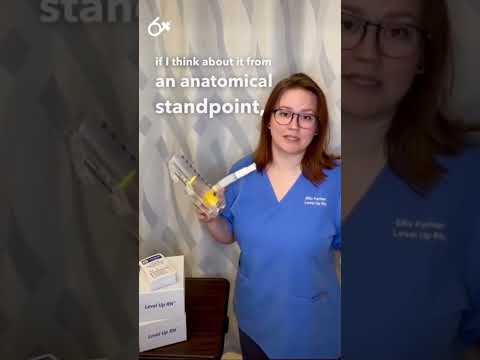
Hey there! You ever hear of incentive spirometry? Honestly, it sounds a bit fancy, but it’s super simple and really important for your lung health.
Imagine you just had surgery or you’re recovering from something like pneumonia. Your lungs need a little extra TLC, and that’s where this tool comes in handy. It’s like a little breathing buddy that helps you take deeper breaths. Pretty cool, right?
Look, taking care of your lungs may not feel like the most exciting topic, but trust me—it’s vital for your overall well-being. So stay with me! We’re gonna dive into how mastering incentive spirometry can seriously boost your lung health and help you breathe easier. Ready? Let’s go!
Effective Strategies to Enhance Lung Spirometry Results
Lung spirometry is all about measuring how well your lungs are working. It’s usually done with this nifty device, and it can help track lung health and breathing. You might have heard of incentive spirometry, which is just a fancy term for using a tool to encourage you to take deep breaths. It’s super important, especially if you’ve had surgery or were stuck in bed for too long.
So, let’s talk about some effective strategies to get the most out of your incentive spirometry! You know, little things that can make a big difference.
- Deep Breathing Techniques: It sounds simple, but really focusing on deep breaths makes a huge impact! Try to inhale slowly through your nose and exhale through your mouth. You know what I mean? Just like when you’re trying to calm down.
- Setting a Routine: Choose specific times during the day when you’ll use the spirometer. Like brushing your teeth! Just make it part of your daily habits so you won’t forget.
- Staying Relaxed: Stress can tighten up your muscles, including those around your lungs. A relaxed body means better breathing! Maybe listen to some chill music or meditate before you start.
- Visualize Success: Picture yourself taking those big, refreshing breaths. Visualization can actually help motivate you. Imagine how nice that rush of air feels!
- Tracking Your Progress: Keep note of how well you’re doing each day. When you see improvement, it feels amazing! Celebrate those little victories—they keep you motivated.
You know, I once had a friend who struggled with her lung health after an illness. She started using an incentive spirometer regularly and noticed she could walk longer without feeling winded. It was like she rediscovered her love for hiking! That’s pretty inspiring, right?
The thing is, these strategies can help enhance your lung function significantly over time. Just remember that although this info is helpful, consulting with healthcare professionals is key—they’re the real experts in this field!
Sooo… go ahead and give these tips a try! Here’s to better lung health!
Understanding Incentive Spirometers: Benefits, Uses, and Best Practices for Lung Health
So, let’s chat about incentive spirometers. You might have heard this term buzzing around, especially when it comes to lung health. But what are they, and why should you care? Well, an incentive spirometer is a small, handheld device that helps improve your lung function. It measures how deep you can breathe in. Deep breathing is super important for keeping those lungs healthy!
Now, here’s the deal with this nifty gadget. After surgery or during certain illnesses, your lungs might not be working as well as they should. You know when your friend says they’re too tired to run? That’s kinda how your lungs feel sometimes when they’re not used properly. So using the spirometer encourages you to take those big breaths in and get the air flowing.
Let’s look at some of the key benefits of using an incentive spirometer:
- Improves Lung Capacity: It helps stretch out those lungs so they can hold more air.
- Prevents Complications: Deep breathing can lower the risk of pneumonia and other lung issues.
- Enhances Oxygen Intake: The more air you take in, the better it is for your body.
But how do you actually use one? It’s pretty straightforward. You just place your mouth on the mouthpiece and inhale slowly and deeply through it. The device has a little ball or indicator that rises as you breathe in — think of it like a fun game! You want to keep that ball nice and high to show you’re taking those deep breaths.
And here are some best practices to keep in mind:
- Set Goals: Try to set targets for yourself! See if you can make that little ball rise higher each time.
- Breathe Regularly: Aim for 10 slow breaths every hour while you’re awake.
- Stay Consistent: Make it part of your routine. Maybe do it while watching TV!
Oh! And let me share a quick story about my buddy Sam. He had knee surgery last year and had to use an incentive spirometer afterward. At first, he thought it was silly—like a kid’s toy—but then he started seeing improvements in his breathing each day. It became kind of fun for him! He even kept track of his progress on a sticky note on his fridge.
So there you have it! Incentive spirometers encourage deep breathing which keeps our lungs happy and healthy. Just remember: using one doesn’t replace seeing a healthcare professional; it’s just one tool among many for better lung health!
Comprehensive Guide to Using a 3-Ball Incentive Spirometer for Effective Lung Health
Hey there! Let’s chat about something that might sound a bit technical at first but is super important for your lung health: the 3-ball incentive spirometer. This little device can actually help you keep those lungs of yours happy and functioning well. So, grab your drink, and let’s break it down!
The 3-ball incentive spirometer is a handy tool designed to encourage you to take deep breaths. It works by providing visual feedback as you inhale, which helps improve lung capacity and promotes better blood flow. Cool, right? Here’s how it usually looks: there are three balls inside a clear chamber that rise as you breathe in. The goal is to get all those balls floating up!
Using this gadget involves just a few simple steps:
- Get comfortable: Find a comfy spot to sit or lie down before starting.
- Seal your lips: Make sure you’re forming a good seal around the mouthpiece—don’t let any air escape!
- Breathe in slowly: Inhale deeply through your mouth. Watch those balls rise as you take in air.
- Hold it!: Try to keep the balls up for as long as you can (usually around 5 seconds).
- Breathe out slowly: Exhale gently through your nose or mouth when you’re done.
- Repeat: Aim for about ten breaths every hour while you’re awake.
You know, my friend Carla had surgery last year, and she was struggling with her breathing afterward. Her doctor gave her one of these spirometers, and at first, she was unsure how to use it. But she kept practicing! With time, she noticed her lung capacity improved dramatically, and she felt so much better overall.
This spirometer can be especially helpful after surgery or if you’ve been bedridden for a while. It helps prevent complications like pneumonia by keeping your lungs open and clear. Just remember—while this tool is great for your lung health, it isn’t a substitute for seeing a healthcare professional if you’re having serious issues with breathing.
The thing is, many people don’t realize how important taking those deep breaths really is! So next time you catch yourself holding back on those big inhales, think about reaching for a 3-ball incentive spirometer instead. Your lungs will thank you later!
If you’ve got questions or want more info on how to use one effectively, chat with your healthcare provider—they’re the experts! Remember though; I’m just here sharing some info—not giving medical advice.
Understanding the Normal Range for Incentive Spirometer Readings: A Comprehensive Guide
Alright, so let’s chat about incentive spirometers. You might have seen one of these little guys in healthcare settings. They’re those cool devices that can help you breathe better, especially after surgery or if you’re dealing with some lung issues.
Using an incentive spirometer is super simple. You basically inhale through a mouthpiece to see how much air you can take in. The device gives you readings that show how well your lungs are working. But what should those numbers actually look like? That’s where we get into the “normal range” for readings.
- Personalized baselines: The normal range isn’t a one-size-fits-all situation. It often depends on your age, height, and whether you’re dealing with any lung conditions. For example, if you’re taller, you’ll probably have a higher baseline.
- Typical target: Many folks aim for a reading between 1500 and 2500 ml. This number varies, but hitting close to this range can be a good sign your lungs are doing their job.
- Consistency is key: The thing is to use it regularly! You might notice that your readings fluctuate throughout the day or week, depending on various factors like how active you’ve been or if you’ve been sick recently.
You know what’s cool? When I was recovering from a minor surgery, I really had to work at using the spirometer daily. At first, my numbers were all over the place! But after sticking with it and focusing on my breathing exercises, I finally hit that sweet spot of over 2000 ml! It felt like a mini victory every time I got closer to my goal.
But hey, if you’re ever unsure about your readings or what they mean for you personally, it’s always best to chat with a healthcare professional. They can give you the lowdown based on your specific situation.
The important takeaway here is: use your incentive spirometer regularly to keep those lungs happy! And keep track of those numbers as they can be an awesome way to notice improvements over time.
Hey there! So, let’s chat about something that might sound a bit medical-y but is super important: incentive spirometry. I mean, it sounds fancy, right? But really, it’s just a tool to help you take deep breaths and keep those lungs of yours nice and healthy. It’s like giving your lungs a little workout.
I remember when my grandma was recovering from surgery. She was pretty weak and had trouble breathing deeply at first. The nurses handed her this weird-looking device that she had to blow into, and honestly? She thought it was some kind of game at first! But after a few tries, she realized it was actually helping her breathe better. She’d sit there every day making goofy faces while trying to reach those little markers on the spirometer. I won’t lie; we had a few laughs seeing her compete with herself! That little device became part of her routine, kind of like brushing your teeth.
So why does this matter? Well, deep breathing helps expand your lungs and promotes better oxygen flow in your body. It’s especially useful after you’ve been through surgery or if you have certain lung issues—like asthma or chronic obstructive pulmonary disease (COPD). It encourages good lung function by pushing out old air and allowing fresh oxygen to fill up the alveoli (those tiny air sacs in your lungs). Seriously, we all want those little guys working at full capacity!
And hey, using an incentive spirometer isn’t just for recovering patients. Athletes sometimes use similar techniques to boost their lung capacity for better performance during sports activities—so there’s that! It really shows how just taking time to breathe deeply can have tons of benefits.
Now, if you ever find yourself using one of these gadgets—don’t stress if you can’t hit those high numbers right away. Just focus on taking slow and steady breaths; it’s all about consistency. And remember to keep things light—like grandma did! Make it fun if you can; maybe even do it with someone else so you can cheer each other on.
But hey, before jumping into any health routines or tools like these, always check in with your doctor or healthcare professional first! They’ll guide you best based on your individual needs.
Anyway, next time you’re feeling a bit overwhelmed or need a moment to ground yourself, try taking some deep breaths—even without the spirometer! Your lungs will thank you later!
