

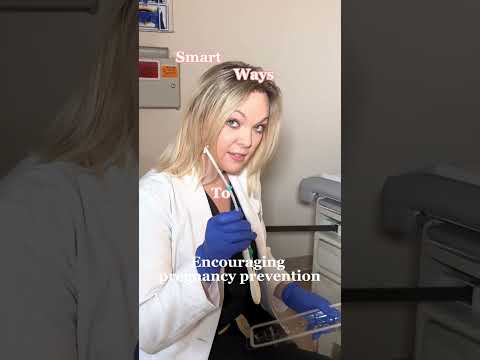
Hey there! So, let’s chat about something super important and often overlooked—affordable IUD options. Yeah, I know it sounds a bit clinical, but hang with me.
IUDs are these tiny little game-changers in the world of birth control. They’re effective, low-maintenance, and last for years. But here’s the kicker: many people think they can’t afford them.
The thing is, tech has come a long way! There are wallet-friendly choices out there that won’t break the bank. Seriously, it’s time to bust those myths about cost and find what works for you without emptying your pockets!
So grab your coffee (or whatever!) and let’s dive into how you can get the best bang for your buck when it comes to IUDs!
Understanding the Cost of an IUD Without Insurance: A Comprehensive Guide
So, let’s chat about IUDs and what it can cost ya if you don’t have insurance. It might seem like a huge financial mountain to climb, but understanding those costs can really help clear things up.
First off, an **IUD**, which stands for intrauterine device, is a small T-shaped device your doc inserts into your uterus to help prevent pregnancy. They come in two types: hormonal and copper. The prices can vary based on the type you choose.
Now, if you’re looking at the costs without insurance, here’s the scoop:
- Initial Cost: Depending on where you live and which type of IUD you get, prices typically range from $500 to $1,300. Yikes, right? But hang on—this is usually a one-time payment!
- Follow-Up Visits: Don’t forget your follow-up appointments! These could add another $100 or so each time you visit. It’s usually just to check that everything is goin’ smoothly.
- Expensive Clinics: Some healthcare clinics charge more than others. So shopping around could be super helpful! Don’t hesitate to ask about costs upfront.
- Sliding Scale Fees: If money’s tight (and let’s be real, who hasn’t been there?), some clinics offer sliding scale fees based on your income. Definitely worth checking out!
I remember when my friend Sarah was weighing her birth control options. She thought she couldn’t afford it at all until she found a local clinic with a sliding scale program. Turns out she only had to pay half the price! That opened up a whole new world for her.
Remember though: while the upfront cost might be high, an IUD can last for several years (up to 10 years for some!), which means less spending in the long run compared to other methods.
In addition, many states have programs designed to help cover these kinds of costs or provide them at little to no expense for eligible folks!
So there you have it! The cost of getting an IUD without insurance will depend on several factors—like where you’re located and what kind you want—but exploring all your options can really pay off in both health and wallet sense! Just keep in mind that this info ain’t professional advice; always chat with your healthcare provider about what fits best for you!
Affordable IUD Options: A Comprehensive Guide to Cost-Effective Birth Control
So, you’re curious about affordable IUD options? You’ve come to the right place! Let’s break it down in simple terms. An IUD, or intrauterine device, is a super popular form of birth control. It’s small, T-shaped, and gets inserted into your uterus by a healthcare professional. It can last for several years, which is pretty neat!
Now, the cost can vary quite a bit depending on where you live and what kind of insurance you have. But don’t worry; there are affordable options out there!
Here are some key points to keep in mind:
- Insurance Coverage: Many health insurance plans cover the cost of IUDs. Check with your provider; they might also cover the insertion fee!
- Low-Cost Clinics: Community health clinics often provide IUDs at reduced prices or even for free. They’re out there to help people like you.
- Planned Parenthood: This organization offers affordable reproductive health services and often has options for low-cost IUD insertion.
- Copper vs Hormonal: There are two main types of IUDs—copper and hormonal. Copper IUDs tend to be cheaper in the long run since they don’t require hormones.
- Paying Out-of-Pocket: If your insurance doesn’t cover it, ask about payment plans or sliding scale fees at various clinics.
I remember my friend Sarah was really stressed about finding a birth control option that wouldn’t break the bank. She found an amazing clinic that not only helped her get an IUD but also made sure she felt comfortable throughout the process!
If you’re thinking about getting an IUD but worrying about costs, just explore your local options first! Remember to have those open conversations with your healthcare provider; they’ll help guide you through this journey—seriously! Always stay informed and prioritize your health without stressing over finances too much.
Comparative Cost Analysis: Understanding Why Liletta is More Affordable Than Mirena
When it comes to IUDs, many folks want to know why some options are more affordable than others. Take Liletta and Mirena, for example. Both are popular hormonal IUDs, but Liletta tends to be the more budget-friendly choice. Here’s what you need to know about the costs and factors at play.
First off, let’s talk about the price differences. Liletta is often priced lower than Mirena due to various reasons like its manufacturing costs and distribution strategies. This means that for many people, choosing Liletta could save a good chunk of change over time.
- Manufacturing Costs: Liletta may be produced with lower overhead expenses, which can help keep the price down.
- Insurance Coverage: Depending on your health plan, Liletta might have better coverage options than Mirena, making it less expensive overall for you.
- Availability: Sometimes, the way these products are marketed affects their pricing. Liletta is often more readily available in certain areas.
You might wonder how this plays out in real life—let me give you a quick story. A friend of mine was looking for an IUD and her main concern was cost. After doing some homework, she found out that choosing Liletta saved her not only money upfront but also helped her handle those pesky co-pays at her doctor visits!
But here’s the thing: affordability is just one piece of the puzzle. When weighing your options, consider things like effectiveness and side effects too. Always chat with your healthcare provider to find what’s best for your needs because hey, you deserve to feel comfortable and informed!
So there you have it! Understanding why Liletta is often cheaper than Mirena can really help you make a smarter choice when it comes to managing your health care budget. Remember though: always seek professional advice when making decisions about your health!
Understanding IUD Costs with Blue Cross Blue Shield: A Comprehensive Guide
Understanding the costs of IUDs (intrauterine devices) can feel like navigating a maze sometimes, especially when you’re trying to figure it all out with insurance, like Blue Cross Blue Shield. So, let’s break it down in a way that makes sense.
First off, IUDs are great birth control options—they’re super effective and can last for years. But how much does that cost you? Well, the price can vary based on your specific plan with Blue Cross Blue Shield, your location, and if you have any additional expenses like a copay.
Here’s what to consider:
- Initial Costs: The cost of getting an IUD usually includes the device itself and the insertion fee. This can range from hundreds to thousands of dollars without insurance.
- Insurance Coverage: Most plans by Blue Cross Blue Shield cover most or even all of the cost for IUDs as preventive care. That means if you’re looking at something like a hormonal or copper IUD, you might not pay anything out-of-pocket.
- Copays and Deductibles: Depending on your plan, you might have to pay a copay for your doctor’s visit. If you’ve met your deductible already, then yay—you could be looking at almost no cost!
- Add-On Services: Don’t forget about potential extra costs! Things like follow-up appointments or tests may not be covered fully, so check those details.
Now let me share something personal—when my friend decided to get an IUD, she was pretty nervous about the process and costs involved. After some digging through her insurance paperwork and calling her provider (which felt like a whole adventure), she found out she’d be covered completely! She felt such relief knowing she wouldn’t have to break the bank for peace of mind.
Of course, always chat with your healthcare provider and insurance agent about what specifically applies to you. Everyone’s situation is different!
So remember this: understanding IUD costs with Blue Cross Blue Shield isn’t as scary as it seems once you break it down. Check your plan details, talk to someone who knows their stuff, and don’t hesitate to ask questions!
So, you know how it goes—healthcare can be super expensive, and when it comes to something like birth control, it feels even more frustrating. I mean, let’s be honest: nobody wants to drop a hefty chunk of change just to take care of their own body. That’s where IUDs come into play, right? But here’s the kicker: finding affordable IUD options is like hunting for a unicorn sometimes!
A few years back, my friend Sarah was in a tight spot. She was juggling school and work and was totally overwhelmed about what birth control was going to cost her. She didn’t want to deal with the hassle of pills or patches that could drain her wallet on top of her already busy life. When she first heard about IUDs, she thought “great! But probably super expensive.” But guess what? It turned out that there are budget-friendly options out there.
I mean, have you ever tried navigating insurance plans? Sometimes it feels like you need a treasure map just to figure out what’s covered. Thankfully, lots of clinics are stepping up these days. Many local health departments offer sliding-scale fees based on your income, making IUDs more accessible than ever before. That means if you’re feeling the pinch financially, you might still get the care you deserve without breaking the bank.
Let’s talk about technology for a second. The cool thing is that IUDs have come a long way! They’re no longer this scary thing people whisper about. Instead, they’re pretty reliable and can last for years! So in the long run—if you can swing that initial expense—they really might save you money compared to other methods that require monthly purchases.
But here’s an important little nugget: just because something is affordable doesn’t mean it’s right for everyone. Everyone’s body is different; so if you’re considering an IUD—or any form of birth control—you definitely want to chat with a healthcare provider who gets your unique situation.
So anyway, if Sarah’s journey taught me anything, it’s that affordable care isn’t some mythical idea we should only dream about. There are options out there! We just need to be willing to explore and ask questions. And who knows? You might find exactly what you need without having to sell your beloved vintage record collection!
